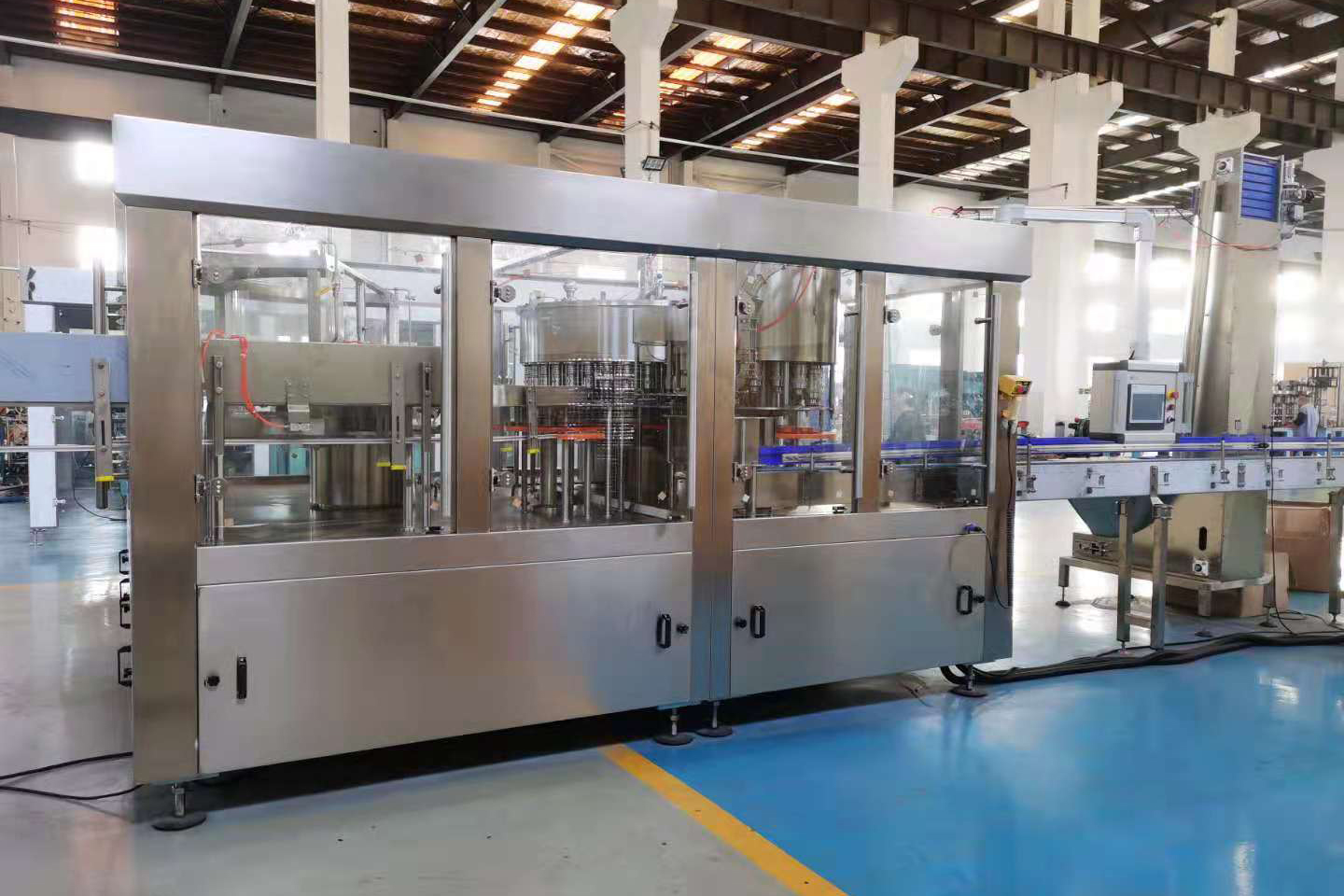
In the world of packaging and manufacturing, capping machines play a pivotal role in securing bottle tops, ensuring products are sealed correctly and preserved for storage or distribution. Whether you’re in the beverage, food, or pharmaceutical industries, an efficient capping system is essential for maintaining product quality, ensuring hygiene, and optimizing production efficiency. As part of the larger bottling process, capping machines provide a critical function—ensuring that products are safely sealed for transport, storage, and consumption.
A capping machine system is an automated or semi-automated device that is used to seal bottles, jars, and other containers with caps, lids, or closures. These machines ensure that each bottle is securely sealed to maintain freshness and prevent contamination, while also enhancing production speed and efficiency.
This article will explore what a capping machine system is, its key features, benefits, and considerations for choosing the right one for your production line.
Table of Contents
H2: Understanding Capping Machines
H2: Key Features of Capping Machines
H2: Benefits of Efficient Capping
H2: Choosing the Right Capping Machine
H2: Conclusion
Understanding Capping Machines
A capping machine system is a critical piece of equipment in any bottling line, designed to securely seal containers after they have been filled with a product. These systems can be fully automated, semi-automated, or manual, depending on the needs of the production line. The core function of a capping machine is to apply a cap or lid to a container and ensure it is tightly sealed to maintain product quality, prevent contamination, and extend shelf life.
Capping machines come in various designs, including those for screw-on caps, press-on caps, snap-on lids, and crimped seals. They can be customized to handle different container types, such as bottles, jars, cans, or tubes, and are used across industries such as food, beverages, cosmetics, and pharmaceuticals.
There are several types of capping systems, such as automatic bottle capping systems and semi-automatic capping machines, with automated systems offering higher speeds and better precision for larger-scale operations. These machines are typically integrated into the bottling line alongside other equipment, such as filling machines and labeling systems, for smooth, continuous operation.
Key Features of Capping Machines
Capping machines are equipped with a variety of features designed to enhance efficiency, ensure quality, and reduce operational downtime. These features include:
1. High-Speed Operation
Many capping machines are designed for high-speed operations, capable of handling thousands of bottles per hour. This is particularly important in industries where large volumes of products need to be sealed in a short amount of time, such as beverages and pharmaceuticals.
2. Adjustable Capping Heads
Most advanced capping machines come with adjustable capping heads that can be modified to handle various bottle sizes and types. This feature makes it easy to switch between different production runs without significant downtime.
3. Precise Torque Control
To ensure that caps are applied securely without damaging the bottle or causing leaks, capping machines come equipped with torque control systems. These systems allow operators to adjust the level of torque applied to the cap to achieve optimal sealing force.
4. Automatic Bottle Detection
A feature found in many automated capping machines is bottle detection. This system ensures that the machine only applies caps to bottles that are correctly positioned, reducing the risk of errors or empty bottles being capped.
5. Versatility in Cap Types
Capping machines are designed to handle a variety of cap types, including screw caps, snap-on lids, and push-on caps, providing flexibility for different types of products. Whether your product requires tamper-evident seals, child-resistant closures, or simple screw-on caps, modern capping systems can handle it.
6. Hygienic Design
In industries like food, beverage, and pharmaceuticals, maintaining hygiene is critical. Many capping machines are designed with cleanability in mind, featuring CIP (Clean-In-Place) systems and SIP (Sterilize-In-Place) capabilities to ensure the system remains free of contaminants.
Benefits of Efficient Capping
Efficient capping is essential for maintaining product integrity and improving the overall efficiency of the production line. Here are some key benefits of using a well-designed capping machine system:
1. Increased Productivity
By automating the capping process, manufacturers can significantly increase their production capacity. Automated capping machines are capable of operating at high speeds, sealing thousands of containers per hour, thus reducing the time required to complete the filling and sealing process.
2. Enhanced Product Quality
A properly sealed container prevents contamination, spoilage, and leakage, ensuring that the product maintains its quality throughout its shelf life. The precise control offered by modern capping machines ensures that each bottle is sealed tightly, with no compromise in product integrity.
3. Cost Efficiency
While the initial investment in a capping machine may be significant, it can lead to substantial long-term savings. Automated systems reduce labor costs and improve operational efficiency, resulting in a lower cost per unit. Additionally, the reduced risk of product waste due to improper capping can lead to further savings.
4. Reduced Risk of Contamination
Capping machines that incorporate hygienic designs, such as CIP and SIP systems, help reduce the risk of contamination in industries where cleanliness is paramount. The ability to sterilize components between runs ensures that the capping system remains free of bacteria or contaminants that could compromise product safety.
5. Consistency and Reliability
An automatic capping machine offers consistency in performance, ensuring that caps are applied correctly and uniformly across all bottles. This helps build trust with consumers, as they can be confident in the product’s safety and quality.
Choosing the Right Capping Machine
Choosing the right capping machine depends on several factors, including production volume, product type, and the type of cap or closure used. Here are a few key considerations to help guide your decision:
1. Production Volume
If you are operating a high-volume production line, you will need a capping machine that can handle large batches efficiently. Automatic capping systems are ideal for these situations, as they can seal thousands of bottles per hour. For smaller production runs or more specialized products, a semi-automatic capping machine may be sufficient.
2. Cap Type
Different capping machines are suited for different types of caps, such as screw caps, press-on caps, or crimped seals. Ensure the machine you choose is compatible with the type of closure your product requires.
3. Bottle Compatibility
Make sure the capping machine can handle the specific bottle sizes and shapes you are using in your production line. Some machines are designed for specific bottle types, while others can be adjusted for versatility.
4. Hygiene Standards
For industries like food, beverages, and pharmaceuticals, hygiene is of the utmost importance. Ensure that the capping machine meets the necessary hygienic standards, including CIP and SIP capabilities for easy cleaning and sanitization.
5. Integration with Other Equipment
Consider how the capping machine will integrate with your existing production line. Machines that are compatible with other systems, such as Blowing Filling Capping Combiblock machines, offer a streamlined and efficient approach to bottling, reducing space requirements and improving overall productivity.
Conclusion
Choosing the right capping machine is essential for maintaining the efficiency and quality of your production line. By considering factors such as production volume, cap type, bottle compatibility, hygiene standards, and integration with other systems, you can select the most suitable machine for your needs. A well-chosen capping machine not only increases productivity but also ensures that your products are securely sealed, preserving their quality and extending shelf life.
FAQs
How to choose the right capping machine?
Choosing the right capping machine involves considering factors like production volume, cap type, bottle compatibility, hygiene requirements, and integration with other systems. Ensure the machine is capable of handling the specific demands of your production line.
Five Key Factors to Consider When Choosing an Automatic Bottle Capping Machine
When selecting an automatic capping machine, consider factors such as bottle type, capping speed, machine compatibility, durability, and cost-effectiveness to ensure the best choice for your production line.
What are the steps in the blowing process of a pet bottle?
The blowing process involves heating the plastic preform, inserting it into a mold, and then using compressed air to expand it to the desired shape. This process ensures that the PET bottle is formed accurately for packaging purposes.

 English


