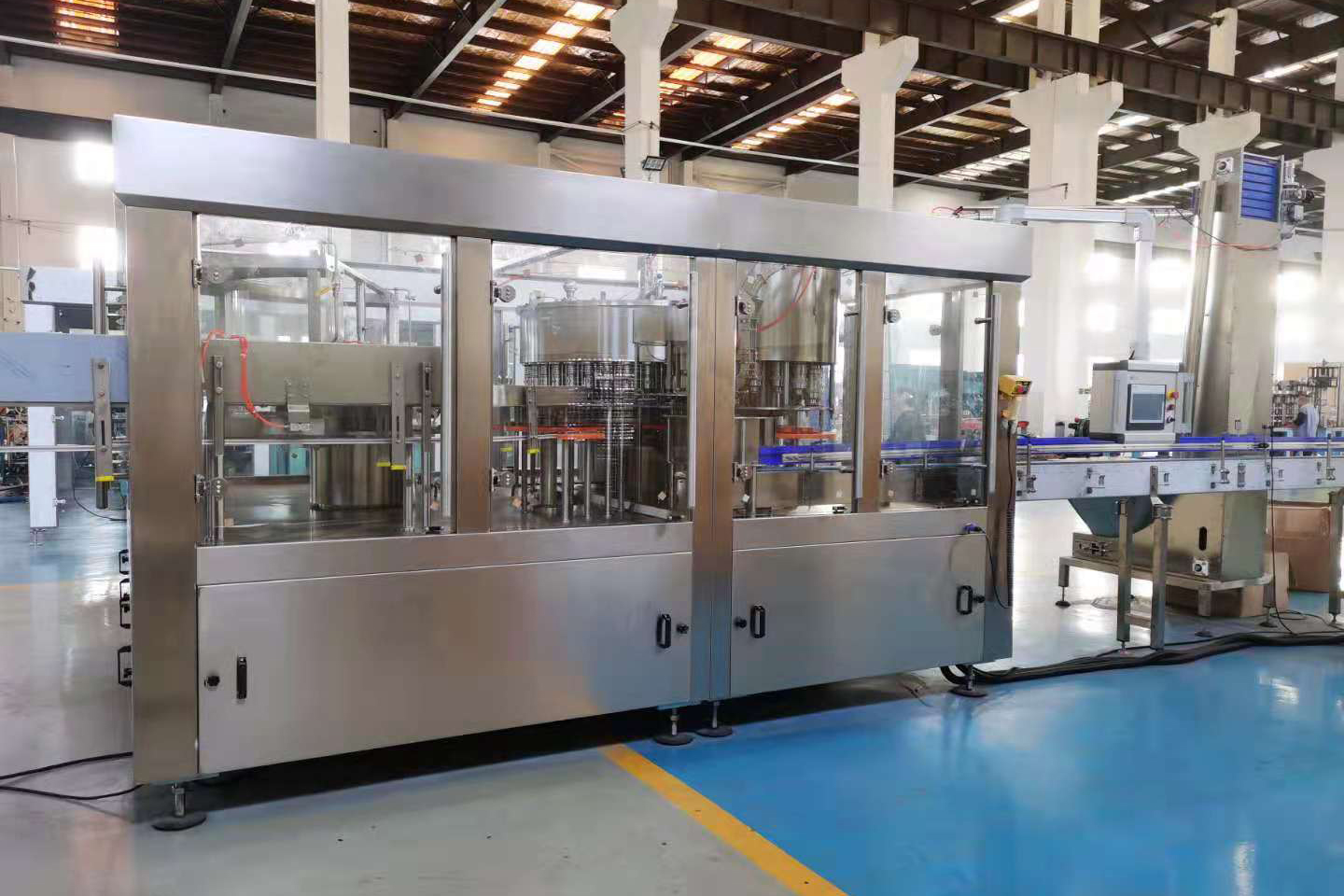
When it comes to choosing an automatic bottle capping machine, manufacturers need to evaluate several critical factors that ensure the machine performs efficiently, meets industry standards, and integrates seamlessly into their production lines. Capping machines play an essential role in bottling processes, ensuring that bottles are securely sealed to preserve the integrity of the product and prevent contamination. However, not all capping machines are created equal, and making the right choice can significantly impact the speed, reliability, and quality of your packaging process.
Choosing the right automatic bottle capping machine depends on a variety of factors, including bottle type, capping speed, machine compatibility, and durability. By carefully considering these elements, manufacturers can select the most suitable capping solution for their operations, ensuring optimal efficiency and product safety. This article outlines the five key factors that should guide your decision-making process when choosing an automatic bottle capping machine.
Table of Contents
H2: 1. Bottle Type and Size Compatibility
H2: 2. Capping Speed and Production Capacity
H2: 3. Machine Compatibility and Integration
H2: 4. Durability and Maintenance
H2: 5. Cost-Effectiveness and ROI
1. Bottle Type and Size Compatibility
When choosing an automatic bottle capping machine, one of the most crucial factors is ensuring it is compatible with the types and sizes of bottles you plan to use. The machine should accommodate various bottle shapes and sizes to handle different products in your line. This factor is especially important in industries such as beverage, food, and pharmaceutical manufacturing, where product packaging may vary widely.
Capping machines are typically designed to handle specific bottle types, such as PET bottles, glass bottles, or cans. Some machines are flexible and offer quick changeover systems that allow them to handle different bottle types without lengthy downtime. A machine with the ability to easily adjust for different bottle sizes and materials will improve production flexibility and efficiency.
Additionally, the machine must be able to secure the caps without damaging the bottles or compromising the quality of the seal. Look for machines with adjustable capping heads and variable settings to accommodate different bottle heights and neck diameters. This feature is particularly beneficial for businesses with high product variety, as it ensures that all bottles are capped consistently, regardless of their dimensions.
2. Capping Speed and Production Capacity
Capping speed is a critical factor that directly impacts production throughput. The ideal capping machine should match the speed of your bottling line to maximize efficiency. Choosing a machine that operates too slowly can create bottlenecks, slowing down the entire production process, while one that operates too fast might compromise capping accuracy and product safety.
When selecting a capping machine, consider the production capacity you require. Automatic capping machines can offer a wide range of speeds, from lower-volume machines for smaller batches to high-speed models capable of handling tens of thousands of bottles per hour. The right machine for your facility depends on the volume of products you are producing and your desired production rate.
Furthermore, it’s essential to assess the machine’s ability to maintain consistency at high speeds. A high-speed capping machine should be able to apply caps securely without any misalignment, damage, or leakage, even when operating at full capacity.
3. Machine Compatibility and Integration
Compatibility and ease of integration with other systems in your production line are vital considerations when choosing a capping machine. Modern production lines often include a range of automated systems, such as filling machines, labeling machines, and conveyors. A capping machine that is not compatible with your existing setup could lead to operational disruptions, additional costs, and inefficiencies.
Look for capping machines that can integrate smoothly with blowing, filling, and labeling systems, particularly Blowing Filling Capping Combiblock machines that combine these processes into a single integrated unit. A Blowing Filling Capping Combiblock machine simplifies your production line by eliminating the need for separate machines, improving efficiency, and reducing space requirements. Additionally, these systems are designed to minimize product handling, reducing the risk of contamination and increasing overall throughput.
Furthermore, consider the machine's control system and how it interfaces with your central plant management system. A modern capping machine should feature user-friendly interfaces, remote diagnostics, and the ability to easily monitor and adjust settings, ensuring seamless integration and ease of use across your operations.
4. Durability and Maintenance
The durability of a capping machine is essential for long-term operational efficiency and cost-effectiveness. Automatic bottle capping machines are often subject to heavy wear and tear, especially in high-speed production environments. Therefore, it is essential to select a machine that is robust and built to last, with high-quality materials that can withstand the demands of continuous operation.
When evaluating the durability of a machine, consider factors such as the materials used in construction (e.g., stainless steel for corrosion resistance), the reliability of the capping mechanism, and the machine’s overall build quality. Regular maintenance is crucial to ensure optimal performance, and machines with easily accessible parts and simple maintenance procedures will save you time and money.
A machine with a reliable service plan and access to spare parts is also crucial. Machines that are easy to maintain and service can reduce downtime and extend the lifespan of your equipment. Be sure to inquire about maintenance schedules, warranties, and after-sales support to ensure your machine remains in optimal condition for years to come.
5. Cost-Effectiveness and ROI
The cost of the capping machine is an important factor to consider, but it should not be the only consideration. When evaluating cost, be sure to consider the long-term return on investment (ROI). A lower upfront cost may seem attractive, but it could result in higher maintenance costs, lower efficiency, and potential product quality issues over time.
Instead of focusing solely on price, assess the overall cost-effectiveness of the machine, considering factors such as:
Energy efficiency: Machines that consume less power can save you money in the long run.
Reduced waste: A well-designed machine that minimizes cap wastage or misalignment can reduce costs associated with material loss.
Operational efficiency: Machines that increase speed and consistency can enhance throughput and reduce labor costs, improving ROI.
Additionally, consider the potential savings from a machine that integrates multiple processes, such as Blowing Filling Capping Combiblock systems, which eliminate the need for separate capping, filling, and labeling machines, reducing space, operational costs, and training requirements.
Conclusion
When choosing an automatic bottle capping machine, manufacturers should carefully evaluate several factors to ensure the best fit for their production needs. From compatibility with different bottle types to speed, integration, durability, and cost-effectiveness, each factor plays a vital role in the machine’s overall performance and ROI.
By selecting the right capping machine, manufacturers can enhance their production line’s efficiency, maintain high product quality, and reduce operational costs, all while meeting the demands of their specific industry.
FAQs
How to choose the right capping machine?
Choosing the right capping machine depends on factors such as bottle type compatibility, production speed, ease of integration with other systems, and durability. It's also essential to consider long-term maintenance and operational costs to ensure the machine delivers optimal ROI.
What Is a Capping Machine System?
A capping machine system is a piece of equipment used to securely seal bottles, jars, and other containers with caps, lids, or closures. It ensures that products are sealed tightly to prevent contamination and maintain freshness.
What are the steps in the blowing process of a pet bottle?
The blowing process of a PET bottle involves heating a plastic preform to a moldable temperature, inserting it into a mold, and then inflating it using compressed air to form the desired bottle shape. The process is highly precise, ensuring that each bottle is formed correctly for packaging.

 English


