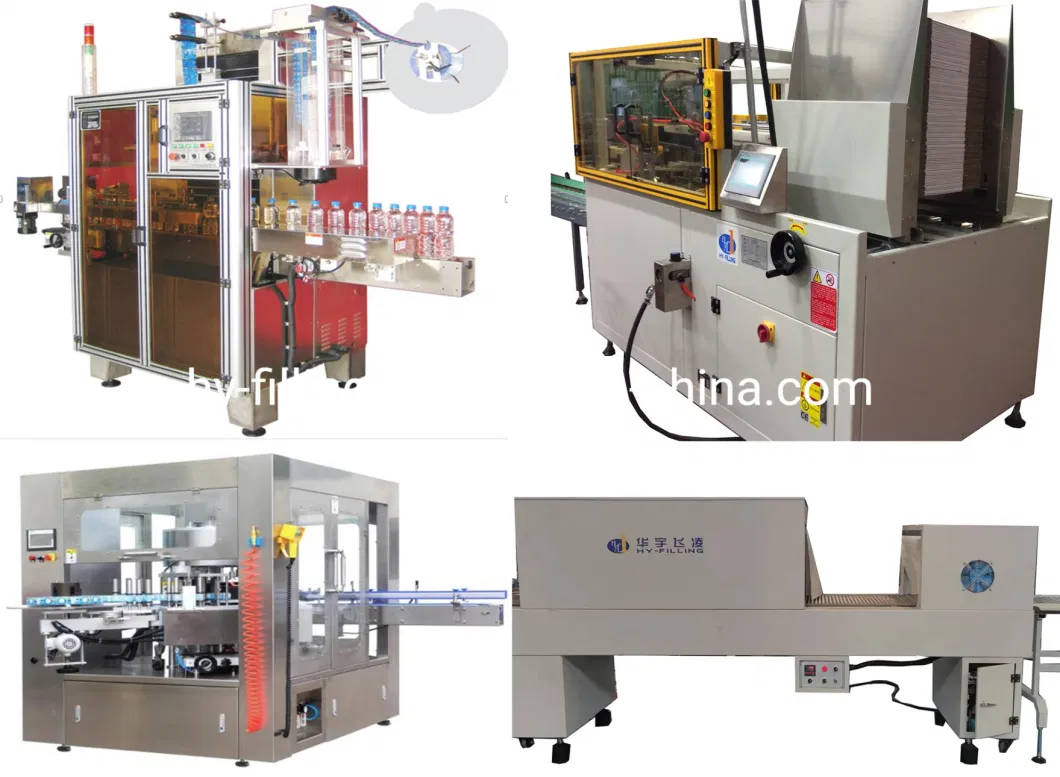
The packaging and industrial processing sectors have witnessed substantial technological advancements over recent decades with automation becoming increasingly integral to production operations worldwide. From small-scale lubricant manufacturing facilities to large-scale edible oil production plants the demand for efficient precise and hygienic packaging solutions continues to grow as manufacturers seek to optimize their operations and meet stringent quality standards. Modern filling equipment has transformed how oils and liquid products are packaged enabling businesses to achieve higher throughput improved consistency and enhanced product safety across diverse industrial applications.
An oil filling machine is specialized automated equipment designed to accurately measure and dispense various types of oils into containers ranging from small consumer packaging to large industrial drums while maintaining precise volume control and ensuring hygiene standards throughout the filling process. These sophisticated machines serve as essential components in production lines across multiple industries including food and beverage manufacturing automotive lubricant production chemical processing and pharmaceutical manufacturing where accurate oil packaging is crucial for product quality regulatory compliance and operational efficiency.
Understanding the comprehensive aspects of oil filling machines is vital for production managers business owners and equipment procurement specialists who are considering automation investments or seeking to upgrade existing packaging operations. This detailed guide will examine the fundamental characteristics of oil filling equipment explore their essential features and functionality discuss installation requirements address safety considerations and evaluate environmental impacts. By gaining thorough knowledge of these systems manufacturers can make informed decisions about equipment selection implementation and operation to optimize their production processes and maintain competitive advantage in their respective markets.
Table of Contents
Oil Filling Machine
Oil Filling Machine Features
Functions Of Oil Filling Machine
Installation Of Oil Filling Machine
Safety Of Oil Filling Machine
Environmental Impact Of Oil Filling Machine
Conclusion
Oil Filling Machine
An oil filling machine is an industrial packaging system specifically engineered to handle the unique challenges of filling various oil products including edible oils cooking oils lubricants industrial oils and specialty oils with precise volumetric control and minimal product waste. Unlike similar filling equipment for water-based products oil filling machines are designed to accommodate the distinct properties of oils such as higher viscosity different flow characteristics potential temperature sensitivity and the need for specialized handling to prevent contamination maintain product quality and ensure accurate filling across a wide range of container sizes and types.
The fundamental principle of oil filling equipment centers around precise volumetric measurement controlled dispensing mechanisms and specialized handling systems that account for oil-specific properties. These machines typically employ positive displacement technology including piston systems gear pumps or mass flow meters to achieve the high accuracy required for oil products. The viscosity of oil presents unique challenges that require careful consideration in machine design as thicker oils flow more slowly and may require heating systems temperature control or specialized pump configurations to maintain consistent flow rates. Additionally oil products often require hermetically sealed filling environments to prevent oxidation contamination from airborne particles or moisture ingress that could compromise product quality particularly for edible oils and premium lubricants.
Oil filling machines vary significantly in configuration and capabilities based on the specific application requirements production volume and product characteristics. Small-scale operations may utilize semi-automatic filling stations suitable for batch processing while large industrial facilities typically employ fully automatic high-speed rotary systems capable of handling thousands of containers per hour. The capacity range spans from bench-top units filling small consumer bottles under 500 milliliters to massive drum filling systems handling 200-liter drums and intermediate bulk containers. Modern equipment often incorporates advanced features such as touch screen control panels programmable logic controllers recipe management systems and integration capabilities with upstream and downstream equipment including conveyors labeling machines and packaging systems.
The importance of oil filling machines extends across diverse industrial sectors each with unique requirements and quality standards. In the food industry edible oil filling machines must meet strict hygiene regulations ensure product safety and maintain consistent quality for consumer products. Automotive lubricant filling requires precise volumetric accuracy for viscosity grade compliance and specialized handling for various lubricant formulations from motor oils to transmission fluids. Industrial applications including hydraulic oils cutting oils and transformer oils require robust equipment capable of handling larger containers while maintaining accuracy and safety. Pharmaceutical and cosmetic applications demand the highest levels of precision hygiene and traceability with specialized equipment designed for small volume accurate filling of carrier oils essential oils and oil-based formulations.
Types of Oil Filling Machines
The oil filling machine market encompasses several distinct categories each designed for specific applications and production requirements. Understanding these variations helps manufacturers select appropriate equipment for their particular needs.
Gravity Fillers: Suitable for low to medium viscosity oils these machines use gravity to dispense product offering simplicity cost-effectiveness and reliable operation for basic applications.
Piston Fillers: Utilizing positive displacement principles piston fillers provide excellent accuracy for medium to high viscosity oils and are widely used in the lubricant and edible oil industries.
Overflow Fillers: These systems ensure consistent fill levels regardless of minor container variations making them ideal for transparent packaging where visual consistency is important.
Pump Fillers: Employing various pump types including gear pumps lobe pumps and progressive cavity pumps these machines handle a wide viscosity range and are suitable for both small and large container filling.
Net Weight Fillers: Utilizing load cell technology these highly accurate systems weigh each container before and after filling ensuring precise product delivery critical for premium products and regulatory compliance.
Rotary Fillers: High-speed systems designed for large-scale production rotary fillers can process multiple containers simultaneously making them ideal for high-volume applications in the beverage oil lubricant and chemical industries.
The selection of appropriate oil filling machine technology depends on multiple factors including product viscosity and flow characteristics required accuracy and precision production speed and volume container types and sizes available facility space budget considerations and integration requirements with other packaging equipment. Manufacturers must carefully evaluate these factors to choose equipment that meets both current needs and future growth potential.
Oil Filling Machine Features
Modern oil filling machines incorporate advanced features including precision volumetric measurement systems temperature control capabilities automatic container handling hygienic construction materials programmable control systems and integrated quality monitoring functions that collectively ensure accurate efficient and reliable operation across diverse applications. These sophisticated features transform basic filling operations into comprehensive automated packaging solutions that enhance productivity improve product quality and reduce operational costs.
Precision measurement systems represent perhaps the most critical feature of oil filling equipment enabling accurate product dispensing that meets strict quality standards and regulatory requirements. Modern machines employ various measurement technologies depending on application requirements and product characteristics. Piston-based systems provide excellent volumetric accuracy through positive displacement with precision machined cylinders and interchangeable piston sleeves to accommodate different fill volumes. Mass flow meter technology offers exceptional accuracy particularly for products with varying density or temperature and provides continuous flow monitoring for real-time quality assurance. Net weighing systems utilize high-precision load cells to weigh containers before and after filling ensuring exact product delivery regardless of container volume variations which is particularly valuable for premium products and applications with strict fill quantity regulations.
Temperature control capabilities represent another essential feature particularly for edible oils and lubricants where temperature significantly affects viscosity and therefore filling accuracy. Many oil filling machines incorporate heating systems that maintain product temperature within optimal ranges ensuring consistent viscosity and flow characteristics. These heating systems may include jacketed product tanks heated hopper jackets heated filling nozzles and temperature sensors throughout the product pathway. Temperature control is crucial because many oils exhibit significant viscosity changes with temperature variations as much as 50% viscosity difference between 20°C and 40°C for some oils. Without proper temperature control filling accuracy and speed would vary substantially leading to inconsistent product quality and potential production issues.
Key Technical Features
Advanced oil filling machines incorporate numerous technical features designed to optimize performance reliability and ease of operation.
Stainless Steel Construction: High-grade stainless steel contact surfaces ensure corrosion resistance easy cleaning compliance with food safety regulations and long-term durability in harsh industrial environments.
Servo-Driven Systems: Electric servo motors provide precise control over filling speeds acceleration deceleration and valve timing enabling exceptional accuracy and programmability for various products and containers.
Multi-Head Configuration: Multiple filling heads enable simultaneous filling of several containers increasing throughput while maintaining consistency across all filled containers.
No-Drip Technology: Anti-drip valves and drip trays prevent product waste maintain cleanliness and reduce contamination risks between filling cycles.
Level Sensors: Capacitive optical or ultrasonic sensors detect container presence and product levels ensuring proper operation and preventing overfilling or missed containers.
Quick Changeover Systems: Tool-less changeover capabilities minimize downtime between different container sizes or product types enhancing operational flexibility and production efficiency.
Recipe Management: Programmable recipes store optimal parameters for different products and containers enabling rapid changeovers and consistent quality across product variations.
Data Logging and Traceability: Comprehensive production data recording including batch tracking time stamps fill volumes and operator information supports quality assurance regulatory compliance and continuous improvement initiatives.
Automatic container handling features significantly enhance operational efficiency by reducing manual intervention and ensuring consistent container positioning throughout the filling process. Modern oil filling machines typically include integrated conveyor systems that transport containers through the filling zone with precise timing and spacing. Rotary indexing systems or linear transport mechanisms position containers accurately under filling nozzles while star wheels and timing screws maintain proper container spacing and orientation. These handling systems are designed to accommodate various container shapes sizes and materials including PET bottles HDPE containers glass bottles metal cans and bulk containers with minimal changeover requirements.
Hygienic design features are particularly important for edible oil filling machines that must meet stringent food safety regulations. These features include smooth crevice-free surfaces that prevent bacterial growth rounded interior corners for effective cleaning sloped product pathways for complete drainage removable components for thorough sanitation and clean-in-place systems that enable automated cleaning cycles without disassembly. For pharmaceutical and cosmetic applications equipment may incorporate isolator technology HEPA filtration systems and laminar flow environments to maintain sterility throughout the filling process.
Control systems have evolved from simple mechanical operation to sophisticated programmable logic controllers with human-machine interfaces that provide operators with comprehensive monitoring and control capabilities. Modern touch screen HMIs display real-time production data including fill counts reject rates production speed equipment status and diagnostic information. These interfaces enable operators to adjust parameters monitor performance trends access historical data and receive alarm notifications. Advanced systems may include remote monitoring capabilities predictive maintenance functions and integration with manufacturing execution systems or enterprise resource planning systems for comprehensive production management.
Quality monitoring features ensure consistent product quality and regulatory compliance through continuous monitoring and feedback control. These systems may include inline weight verification fill level inspection container seal integrity checks and automated rejection mechanisms for out-of-specification products. Some advanced oil filling machines incorporate vision systems that inspect container defects label positioning and product clarity while others include metal detection x-ray inspection or other specialized detection systems depending on application requirements.
Functions Of Oil Filling Machine
Oil filling machines perform multiple essential functions including precise product metering and dispensing automatic container handling and positioning container preparation tasks such as rinsing and drying accurate volume measurement container sealing through capping or closing quality inspection and rejection of defective units integration with upstream and downstream equipment and data collection for production monitoring and traceability. These integrated functions transform individual components into comprehensive automated packaging solutions that enhance efficiency accuracy and reliability throughout the oil packaging process.
The primary function of precise product metering and dispensing represents the core capability of any oil filling machine. This function involves accurately measuring the required volume of oil product and transferring it into containers with minimal waste and exceptional consistency. Modern machines achieve this through various technologies depending on product characteristics and accuracy requirements. Piston-based systems use positive displacement principles where a precisely machined piston draws product into a cylinder during the intake stroke and dispenses it during the delivery stroke with the volume determined by piston diameter and stroke length. Mass flow meters continuously measure the actual flow of product providing real-time feedback to control systems that adjust flow rates or timing to achieve target volumes with exceptional accuracy typically within plus or minus 0.5% for high-quality systems. Gear pump and lobe pump systems provide consistent flow rates for medium to high viscosity oils with the pump rotation speed and fill duration determining dispensed volume.
Automatic container handling functions ensure smooth efficient transport of containers through the filling process while maintaining proper positioning and spacing. These functions typically begin with container unscrambling systems that randomly orient bulk bottles into single-file orderly arrangement suitable for feeding into the filling machine. Conveyor systems transport containers through various stages with speed control and accumulation capabilities to handle variations in line speed. Precision positioning systems using star wheels timing screws or servomechanisms ensure containers are accurately aligned under filling nozzles with repeatability measured in fractions of a millimeter. After filling container handling systems transport filled containers to subsequent stations such as capping labeling and packaging while maintaining proper spacing and orientation for each downstream process.
Container preparation functions enhance product quality and safety by ensuring containers are properly prepared before product introduction. Rinsing functions clean containers using various methods including air rinsing water rinsing or sanitizing solution rinsing to remove dust debris or potential contaminants from container interiors. For food and pharmaceutical applications sterilization functions using ultraviolet light hydrogen peroxide vapor or other sterilization methods may be incorporated to ensure container sterility before filling. Drying functions remove residual moisture from rinsed containers using compressed air drying vacuum drying or heated air systems to prevent product dilution or contamination. Container inspection functions may include optical sensors that detect foreign objects in containers check for proper container formation or verify that containers are properly oriented before filling.
Operational Functions
Oil filling machines perform various operational functions that contribute to efficient reliable production and consistent product quality.
Temperature Management: Heating and cooling systems maintain optimal product temperature throughout the filling process ensuring consistent viscosity and flow characteristics for accurate filling.
Drip Prevention: Anti-drip nozzles and drip collection systems prevent product waste between filling cycles maintain cleanliness and reduce contamination risks.
Pressure Regulation: Pressure control systems maintain appropriate pressure levels in product supply systems and filling zones ensuring consistent flow rates and preventing foaming or splashing.
Nozzle Cleaning: Automated nozzle cleaning systems remove product residue from filling nozzles between product changeovers or during extended operation maintaining hygiene and preventing cross-contamination.
Volume Adjustment: Programmable volume adjustment capabilities enable operators to change fill volumes quickly without mechanical changes supporting flexible production and rapid product changeovers.
Speed Control: Variable speed control allows operators to adjust production speed to match downstream equipment capabilities optimize throughput for different products or adapt to production schedules.
Fault Detection: Comprehensive fault detection systems monitor equipment operation and identify potential problems before they cause production issues reducing downtime and improving reliability.
Batch Tracking: Batch identification and tracking capabilities record production batches enabling traceability for quality assurance regulatory compliance and recall management.
Container sealing functions represent another critical function of oil filling machines particularly for products that require hermetic sealing to prevent oxidation contamination or leakage. Capping functions apply caps to filled containers using various technologies including screw capping press-on capping or specialized capping methods depending on cap type and product requirements. Induction sealing functions apply foil seals to container openings using electromagnetic induction creating hermetic seals that prevent tampering preserve product freshness and provide visual evidence of unopened containers. Corking and stoppering functions serve traditional glass container applications for premium oils and specialty products. The sealing process must be precisely controlled to ensure proper seal integrity without damaging containers or compromising product quality.
Quality inspection and rejection functions ensure that only products meeting quality specifications proceed to packaging and distribution. These functions may include weight verification to confirm proper fill levels visual inspection for container defects or fill level abnormalities leak detection to identify improperly sealed containers and foreign object detection to ensure product purity. Automated rejection mechanisms remove defective products from the production line typically diverting them to collection bins for rework disposal or analysis. These quality functions are particularly important for applications with strict regulatory requirements or premium products where quality consistency is essential for brand reputation and customer satisfaction.
Integration functions enable oil filling machines to operate seamlessly with other packaging equipment creating complete automated lines that enhance overall efficiency and reduce manual intervention. Upstream integration may include connection to product storage systems filtration and treatment equipment and bulk product delivery systems. Downstream integration typically connects to capping equipment labeling systems case packers palletizers and stretch wrapping equipment creating end-to-end packaging automation. Communication protocols such as Ethernet/IP Profinet Modbus or other industrial communication standards enable seamless data exchange between equipment for coordinated operation production monitoring and comprehensive reporting.
Data collection and analysis functions support continuous improvement production optimization and compliance documentation. Modern oil filling machines collect extensive operational data including fill counts reject rates production speed equipment performance metrics and operator actions. This data may be displayed on local HMIs for operator monitoring transmitted to supervisory systems for production management stored for historical analysis or used for regulatory documentation. Advanced analytics capabilities may identify trends predict maintenance needs optimize production parameters and support continuous improvement initiatives. Traceability functions track specific production batches recording time stamps equipment parameters and operator information to enable complete traceability from raw materials to finished product.
Installation Of Oil Filling Machine
Proper installation of oil filling machines requires comprehensive planning including site preparation and assessment foundation construction utility infrastructure installation equipment positioning and leveling electrical and pneumatic connections product supply system installation conveyor system integration control system setup thorough testing and commissioning operator training and documentation to ensure optimal performance and long-term reliability. The installation process represents a critical phase in equipment deployment that directly impacts operational efficiency product quality and equipment lifespan.
Site preparation and assessment constitute the foundation of successful oil filling machine installation. The installation site must accommodate equipment dimensions including adequate space for the machine itself operator access maintenance activities and integration with other packaging equipment. Ceiling height must be sufficient to accommodate vertical clearance requirements for machine operation maintenance and potential component removal. Floor conditions must be evaluated for load-bearing capacity flatness and chemical resistance as many oil filling machines require reinforced concrete floors to support heavy equipment particularly when installed above ground level or on mezzanines. Environmental conditions including temperature humidity ambient lighting and ventilation must be assessed to ensure they meet equipment requirements particularly for equipment with electronic components or temperature-sensitive products. Accessibility for equipment delivery installation access and future maintenance must be ensured including door widths aisle widths and ceiling clearances.
Foundation construction provides a stable base for equipment operation particularly for large or high-speed oil filling machines. Machine foundations may consist of concrete pads steel frames or specialized vibration isolation systems depending on equipment size speed and precision requirements. Foundations must be properly designed to support equipment weight plus maximum product loads while minimizing vibration transmission to surrounding structures. Leveling systems including adjustable feet shimming plates or precision leveling mounts enable accurate equipment positioning to ensure proper alignment of filling heads conveyor systems and other components. Floor anchoring using mechanical anchors chemical anchors or welding secures equipment to foundations preventing movement during operation that could affect accuracy or cause equipment damage.
Installation Components
Successful oil filling machine installation involves multiple interconnected components and systems that must be properly installed integrated and tested.
Electrical system installation requires careful attention to safety codes equipment specifications and operational requirements. Three-phase electrical power is typically required for industrial oil filling machines with voltage amperage and frequency ratings specified by the equipment manufacturer. Proper electrical panel installation includes circuit breakers disconnect switches motor starters and variable frequency drives for motor speed control. Control system installation involves PLC programming HMI configuration sensor calibration and integration with plant control systems or networks. Safety systems including emergency stop circuits safety interlocks light curtains and guarding must be installed and tested according to applicable safety standards and regulations. Grounding and bonding systems must be properly installed to ensure electrical safety and prevent electromagnetic interference that could affect sensitive electronic components.
Pneumatic system installation provides compressed air for machine operation including valve actuation cylinder operation pneumatic conveying and various control functions. Air compressors must be properly sized to provide sufficient air flow and pressure at peak demand conditions while allowing for normal fluctuations and potential system expansion. Air treatment equipment including filters dryers and regulators removes contaminants moisture and regulates pressure to ensure clean dry air at appropriate pressure for machine operation. Piping distribution systems deliver compressed air from compressors to machines with properly sized pipes minimal pressure drops and convenient shutoff valves for maintenance access. Pneumatic actuators including cylinders and rotary actuators must be properly installed adjusted and tested to ensure smooth reliable operation throughout their specified operating ranges.
Product supply system installation connects oil filling machines to bulk storage tanks intermediate storage hoppers or other product sources. Piping systems must be properly sized designed and insulated to maintain appropriate product temperature prevent heat loss or gain and ensure efficient product transfer. Pumps including centrifugal pumps positive displacement pumps or specialized oil pumps must be properly sized selected and installed to provide sufficient flow at required pressures while accommodating product viscosity and characteristics. Filtration systems remove particulate contaminants from product ensuring clean product delivery to filling machines particularly important for edible oils and premium lubricants. Temperature control systems including heat exchangers inline heaters or jacketed piping maintain product temperature within specified ranges ensuring consistent viscosity and filling characteristics.
Conveyor system installation integrates filling machines with upstream and downstream packaging equipment creating continuous automated production lines. Conveyor systems must be properly leveled aligned and tensioned to ensure smooth reliable operation. Speed control systems including variable frequency drives enable conveyor speed adjustment to match equipment capabilities and production requirements. Accumulation systems provide buffer capacity to handle variations in line speed and enable equipment changeovers without stopping entire production lines. Transfer mechanisms including turntables lifts and diverters properly guide products between different conveyor sections and equipment stations ensuring smooth product flow and preventing jams or damage.
Safety Of Oil Filling Machine
Oil filling machine safety encompasses multiple critical aspects including mechanical guarding systems electrical safety protection fire and explosion prevention chemical handling protocols operator training and procedures emergency systems personal protective equipment requirements regular maintenance and inspection compliance with safety standards and documentation of safety procedures to protect operators equipment and facilities from hazards. Comprehensive safety measures are essential for creating secure operating environments minimizing accident risks and ensuring regulatory compliance across all oil filling applications.
Mechanical guarding systems provide physical barriers between moving machine components and operators preventing accidental contact that could cause injuries. Guarding requirements typically include fixed guards around drive systems moving shafts rotating components and other hazardous mechanical elements. Interlocked guards equipped with safety switches prevent machine operation when guards are opened requiring machines to stop before access is allowed. Two-hand control systems require operators to use both hands to initiate machine cycles preventing hands from being in hazardous zones during operation. Presence-sensing devices including light curtains pressure-sensitive mats and safety scanners detect operator presence in hazardous areas and automatically stop machine operation when operators approach dangerous zones. Emergency stop devices positioned at accessible locations throughout the machine enable immediate machine shutdown in emergency situations with release requiring deliberate action to prevent accidental restart.
Electrical safety protection prevents electrical hazards including shock electrocution fire and equipment damage from electrical faults. Proper grounding and bonding of all equipment components prevents electrical shock hazards and ensures proper equipment operation. Overcurrent protection including circuit breakers and fuses protects equipment from electrical overloads short circuits and ground faults. Ground fault circuit interrupters provide additional protection by detecting ground faults and quickly interrupting current flow. Lockout-tagout procedures enable safe equipment maintenance by ensuring equipment cannot be accidentally energized during maintenance activities. Arc flash protection including appropriate personal protective equipment and warning labels protects workers from potential arc flash hazards during electrical work.
Safety Systems and Protocols
Comprehensive oil filling machine safety implementation requires multiple interconnected systems procedures and training programs.
Fire Prevention Systems: Sprinkler systems fire extinguishers and fire suppression systems protect against fire hazards particularly important when handling flammable oils or operating in hot environments.
Explosion Protection: Explosion-proof electrical equipment venting systems and pressure relief devices protect against explosion risks when handling volatile oils or operating in hazardous locations.
Chemical Handling: Proper material handling procedures secondary containment and spill response protocols protect against chemical exposure and environmental contamination.
Training Programs: Comprehensive operator training including equipment operation safety procedures emergency response and hazard recognition ensures operators understand and can mitigate potential risks.
Personal Protective Equipment: Required PPE including safety glasses gloves hearing protection and protective clothing protects workers from specific hazards associated with oil filling operations.
Warning Systems: Visual and audible alarms light towers and warning labels provide clear communication about equipment status potential hazards and emergency conditions.
Maintenance Procedures: Regular inspection preventive maintenance and proper repair procedures ensure safety systems function correctly and equipment operates safely throughout its service life.
Documentation: Safety manuals operating procedures maintenance records and incident documentation support consistent safe operation and regulatory compliance.
Fire and explosion prevention represents a critical safety consideration particularly for edible oil filling machines where oils can reach flammable temperatures and lubricant applications where volatile components may be present. Temperature monitoring systems ensure product temperatures remain below flash points preventing fire hazards. Spark detection and extinguishing systems quickly detect and suppress sparks that could ignite flammable oils or dust accumulation. Explosion venting panels or suppression systems protect against explosion risks when handling volatile products. Regular cleaning procedures remove oil residues that could accumulate and create fire hazards. Fire suppression systems including automatic sprinklers chemical suppression agents or CO2 systems provide fire protection appropriate for the specific application and product characteristics.
Chemical handling safety protects operators and facilities from exposure to potentially hazardous oils lubricants and cleaning agents. Material safety data sheets provide comprehensive information about chemical hazards handling requirements and emergency response procedures. Proper ventilation systems remove fumes vapors and airborne particulates maintaining safe air quality in operating areas. Secondary containment systems including berms dikes or containment trays capture spills and leaks preventing environmental contamination. Spill response kits and procedures enable rapid response to chemical spills minimizing exposure and environmental impact. Personal protective equipment appropriate for specific chemical hazards protects workers from exposure including chemical-resistant gloves protective eyewear respiratory protection and protective clothing.
Operator training and procedures ensure that personnel understand potential hazards know how to operate equipment safely and can respond appropriately to emergency situations. Training programs typically cover equipment operation and controls safety devices and their purposes emergency procedures and evacuation routes hazard recognition and risk assessment proper PPE selection and use maintenance procedures and lockout-tagout requirements. Refresher training ensures operators maintain awareness of safety procedures as equipment processes or regulations change. Competency assessment verifies that operators demonstrate both knowledge and practical skills for safe equipment operation. Documentation of training records provides evidence of compliance with regulatory requirements and supports continuous improvement of safety programs.
Emergency systems and procedures enable rapid response to accidents equipment malfunctions or other emergency situations. Emergency stop systems positioned at multiple locations allow immediate machine shutdown when hazards are detected or emergencies occur. Emergency lighting systems provide illumination during power outages or other emergencies enabling safe evacuation and continued critical operations. Fire alarm systems and evacuation procedures ensure rapid notification and orderly evacuation during fire emergencies or other critical situations. Spill response procedures and equipment enable rapid containment and cleanup of chemical spills minimizing environmental impact and exposure risks. First aid kits and trained responders provide immediate medical assistance for minor injuries while emergency medical services can be summoned for more serious incidents.
Environmental Impact Of Oil Filling Machine
Oil filling machines have significant environmental considerations including energy consumption and efficiency product waste minimization material usage and recycling emissions control water conservation compliance with environmental regulations sustainable design practices and lifecycle assessment requirements that manufacturers must address to minimize environmental footprint while maintaining operational efficiency and product quality. Environmental responsibility represents an increasingly important aspect of equipment selection and operation as regulations become more stringent and stakeholders demand sustainable practices.
Energy consumption represents one of the most significant environmental impacts of oil filling machine operation. Modern equipment incorporates various energy efficiency features including variable frequency drives that optimize motor energy consumption based on actual load requirements high-efficiency motors and pumps that reduce electrical power consumption servo-driven systems that replace less efficient pneumatic systems and energy recovery systems that capture and reuse energy where possible. Heating systems particularly for temperature-sensitive oils can consume substantial amounts of energy and modern equipment employs efficient insulation heat recovery systems and precise temperature control to minimize energy waste. Compressed air systems required for pneumatic operation are notoriously inefficient and modern equipment minimizes air consumption through optimized valve designs leak detection and prevention and efficient air compressor selection. Energy monitoring systems track power consumption enabling identification of inefficiencies and supporting continuous energy reduction initiatives.
Product waste minimization directly reduces environmental impact by conserving resources reducing disposal requirements and decreasing overall material usage. Precision filling systems minimize overfill reducing product waste and raw material consumption. Drip prevention and recovery systems capture product that would otherwise be wasted and return it to the supply system for reuse. Container inspection and rejection systems prevent waste from underfilled containers that would require product rework or disposal. Clean-in-place systems minimize product loss during cleaning cycles compared to manual cleaning methods. Recipe management and quick changeover systems reduce product waste during product changeovers by optimizing transition processes. Waste tracking and analysis identify waste sources enabling targeted reduction initiatives.
Environmental Considerations
Comprehensive environmental management for oil filling machines encompasses multiple aspects of design operation and lifecycle management.
Material Conservation: Lightweight container designs recycled content materials and material optimization reduce resource consumption and waste generation.
Emissions Control: Filtration systems vapor recovery units and enclosed filling systems capture and contain emissions preventing atmospheric contamination.
Water Conservation: Efficient cleaning systems water recycling and reduced water consumption minimize water usage and wastewater generation.
Noise Reduction: Sound dampening materials equipment enclosures and low-noise components minimize noise pollution in operating environments.
Chemical Management: Reduced chemical use biodegradable cleaning agents and chemical recycling minimize environmental contamination from cleaning and maintenance activities.
End-of-Life Considerations: Equipment designed for disassembly recycling and reuse supports circular economy principles and reduces waste at end of equipment life.
Packaging Optimization: Lightweight packaging recycled materials and reduced packaging waste minimize environmental impact of final packaged products.
Lifecycle Assessment: Comprehensive evaluation of environmental impacts from raw material extraction through manufacturing operation and disposal identifies improvement opportunities.
Water conservation represents an important environmental consideration particularly for equipment that requires water for cleaning cooling or operation. Modern oil filling machines incorporate water-efficient cleaning systems that minimize water consumption through optimized cleaning cycles efficient spray nozzles and water recycling systems. Closed-loop cooling systems recirculate cooling water minimizing water consumption while preventing contamination. Dry cleaning methods compressed air cleaning and other waterless cleaning techniques reduce or eliminate water requirements for certain applications. Water quality monitoring ensures that water used for equipment operation meets quality standards while minimizing water treatment requirements. Wastewater treatment systems treat effluent from cleaning operations before discharge ensuring compliance with environmental regulations.
Material usage and recycling impacts must be considered throughout the equipment lifecycle from manufacturing through operation to end-of-life disposal. Equipment manufacturers increasingly employ recycled materials in machine construction reduce material usage through optimized designs and select materials with lower environmental impact. Container recycling programs for rejected containers and packaging materials reduce waste and recover valuable materials. Equipment refurbishment and reuse programs extend equipment life reducing the environmental impact of manufacturing new equipment. End-of-life planning includes design for disassembly material identification and responsible disposal or recycling of equipment components. Lifecycle assessments quantify environmental impacts across the entire equipment lifespan enabling informed decisions about equipment selection operation and replacement.
Emissions control is particularly important for oil filling applications where volatile organic compounds oil vapors or other emissions may be generated. Enclosed filling systems capture vapors and prevent their release into the environment. Vapor recovery units capture and condense vapors for proper disposal or recovery. Filtration systems remove particulate emissions from exhaust streams. Proper ventilation systems maintain air quality in operating areas while minimizing energy consumption. Emissions monitoring systems track and report emissions data for regulatory compliance and continuous improvement initiatives. Low-emission equipment designs minimize the generation of emissions through optimized processes and technologies.
Compliance with environmental regulations represents both a legal requirement and a business imperative for manufacturers. Regulations may include air quality standards water discharge permits hazardous waste management requirements energy efficiency standards and reporting obligations. Environmental management systems provide frameworks for systematically managing environmental aspects improving performance and ensuring compliance. Documentation and record keeping support regulatory reporting requirements and demonstrate compliance during inspections. Regular environmental audits identify compliance gaps and improvement opportunities. Supply chain environmental standards ensure that suppliers also meet environmental requirements extending environmental responsibility beyond direct operations.
Conclusion
Oil filling machines represent essential equipment across diverse industries enabling efficient accurate and reliable packaging of oil products from consumer packaged goods to industrial lubricants. The technological advancement of these machines has transformed oil packaging from manual labor-intensive processes to sophisticated automated operations that deliver exceptional precision productivity and quality. As manufacturers face increasing pressure to optimize operations reduce costs maintain quality standards and demonstrate environmental responsibility the role of high-performance oil filling equipment becomes increasingly critical for competitive success.
The future development of oil filling machines will likely continue along several important trajectories. Automation and Industry 4.0 technologies will enhance equipment intelligence through advanced sensors predictive maintenance artificial intelligence and comprehensive data analytics. Energy efficiency improvements will reduce operational costs and environmental impact through more efficient motors drives heating systems and energy recovery technologies. Sustainability initiatives will drive design for recycling material reduction and lifecycle optimization. Integration capabilities will expand enabling seamless communication and coordination across complete production lines and supply chain networks. Safety systems will become more sophisticated through advanced sensors predictive safety analytics and integrated risk management approaches.
For manufacturers considering oil filling machine investments several key considerations should guide equipment selection decisions. Production requirements including speed accuracy flexibility and product range must be carefully evaluated against equipment capabilities. Total cost of ownership considering initial investment operating costs maintenance expenses and expected lifespan provides more meaningful evaluation than purchase price alone. Integration requirements with existing equipment production systems and information technology infrastructure must be assessed to ensure seamless operation. Safety features and compliance with applicable regulations protect operators facilities and businesses from risks and liabilities. Environmental performance increasingly important to regulators customers and stakeholders should be evaluated based on energy efficiency waste generation emissions and lifecycle impacts.
The successful implementation of oil filling machines requires attention to multiple factors beyond equipment selection alone. Proper installation ensures equipment performs as designed with appropriate foundations utilities and integration. Comprehensive operator training and maintenance programs enable safe reliable operation throughout equipment lifespan. Continuous monitoring and optimization of performance metrics including efficiency quality and downtime identify improvement opportunities. Regular safety assessments ensure ongoing compliance with evolving safety standards and best practices. Environmental management systems minimize environmental impacts while maintaining productivity and quality.
As the global market for packaged oil products continues to grow and evolve oil filling machines will remain essential components of production infrastructure enabling manufacturers to meet increasing demand for quality consistency efficiency and sustainability. By understanding the comprehensive aspects of oil filling equipment from technical features and operational functions to installation requirements safety considerations and environmental impacts manufacturers can make informed decisions that support business objectives while delivering value to customers stakeholders and society at large. The continued advancement of oil filling machine technology promises further improvements in performance efficiency and sustainability creating opportunities for manufacturers to enhance competitiveness while meeting the evolving demands of their markets and stakeholders.

 English


