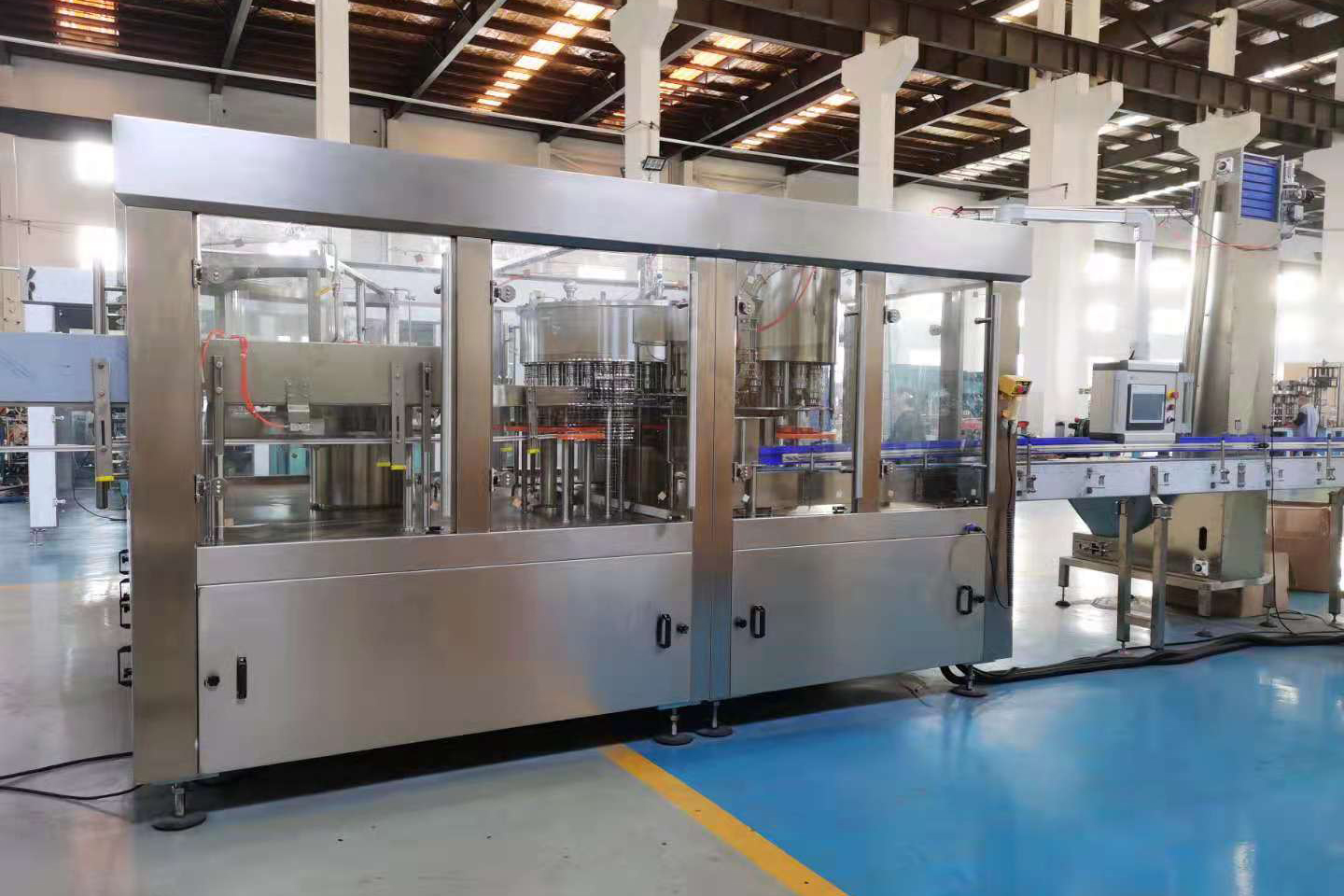
The bottled water industry has experienced remarkable growth over the past decade driven by increasing consumer awareness of health and hygiene concerns across global markets. This surge in demand has compelled manufacturers to seek more efficient and reliable production solutions that can maintain high standards while meeting growing market needs. Modern beverage production facilities must navigate complex challenges including maintaining product quality ensuring hygiene standards optimizing operational costs and achieving maximum output without compromising on excellence. As technology continues to advance the integration of automated systems has transformed how mineral water is produced packaged and distributed to consumers worldwide.
Automatic mineral water bottle filling machines significantly enhance production efficiency by delivering high-speed operation precise filling accuracy consistent product quality reduced labor costs improved hygiene standards and remarkable flexibility for scaling operations to meet increasing market demands. These sophisticated machines represent a critical investment for manufacturers seeking to optimize their production lines and maintain competitive advantage in the rapidly evolving beverage industry landscape.
Understanding the comprehensive benefits of automatic filling equipment is essential for business owners production managers and decision makers in the beverage manufacturing sector. This detailed examination will explore how these machines operate their key components maintenance requirements and the significant advantages they bring to modern production facilities. By gaining insights into the capabilities and functions of advanced Water Filling Machine systems manufacturers can make informed decisions about automation investments that align with their production goals and business objectives.
Table of Contents
How Does an Automatic Bottle Filling Machine Operate?
What Are the Main Parts of a Bottle Filling Machine?
How do you keep an automatic mineral water filling machine?
Benefits Gained from Automating The Water Production Line
How Does an Automatic Bottle Filling Machine Operate?
An automatic bottle filling machine operates through a synchronized sequence of automated processes that include bottle rinsing precise filling through controlled nozzles automatic capping and integrated quality control systems all managed by programmable logic controllers to ensure consistent high-speed operation. The Water Filling Machine represents a sophisticated integration of mechanical engineering fluid dynamics and automation technology designed to deliver exceptional performance in demanding production environments.
The operation begins with the bottle rinsing stage where empty containers are systematically cleaned and sanitized before they receive any product. This critical first step ensures that all bottles entering the drinking water filling machine meet strict hygiene requirements. The system typically uses a rotary carousel mechanism that securely grips bottles by their necks inverts them and subjects them to high-pressure rinsing jets that spray purified water or sanitizing solutions. This process removes any dust debris or potential contaminants that may have accumulated during storage or transportation. The bottles are then returned to an upright position and transferred to the filling station with precise timing and coordination.
The filling station represents the core functionality of the automatic water bottle filling machine where purified mineral water is dispensed into containers with exceptional accuracy. Modern filling systems employ advanced technologies including gravity filling pressure filling or flow meter-based filling methods depending on the specific application requirements. In gravity filling systems product is stored in elevated tanks and flows into bottles through precision nozzles controlled by solenoid valves. Pressure filling systems use compressed air or other pressurization methods to force liquid into bottles at controlled rates. Flow meter systems measure the exact volume of liquid dispensed providing precise feedback to control systems that adjust filling parameters in real time. The filling nozzles are designed to minimize foaming splashing and product waste while ensuring accurate volume control for each container.
Following the filling operation bottles are automatically transported to the capping station where caps are applied and tightened with precise torque control. The capping process in a 3 in 1 water filling machine is typically synchronized with the filling and rinsing operations ensuring seamless continuous production. Caps are fed through specialized mechanisms that orient them correctly before they are applied to bottles. Magnetic capping heads are commonly used because they provide consistent torque application while preventing over-tightening that could damage bottles or under-tightening that could result in leaks. The integrated design ensures minimal transfer time between stations reducing the risk of contamination and maximizing production efficiency.
Quality control systems integrated throughout the Water Filling Machine continuously monitor production parameters and product quality. These systems include sensors that detect bottle presence fill levels cap application integrity and various other quality parameters. Advanced vision inspection systems may be incorporated to verify that bottles are filled to the correct level that caps are properly applied and that no foreign contaminants have entered the containers. Defective bottles are automatically rejected from the production line ensuring that only products meeting strict quality standards reach consumers. All operational parameters are monitored and controlled by programmable logic controllers that coordinate the entire production process with exceptional precision and reliability.
The entire operation is synchronized through sophisticated timing systems that ensure bottles move smoothly through each station at optimal speeds. Star wheels timing screws and conveyor systems work together to maintain proper bottle spacing and orientation throughout the Water Filling Machine. The rotary motion of the main turret is precisely synchronized with the operation of filling nozzles capping heads and rinsing mechanisms ensuring that each bottle receives proper treatment at each station. Advanced servo drives provide precise control over rotational speed and position while variable frequency drives allow operators to adjust production speeds based on production requirements and market demands.
The Mineral Water Filling Process
The mineral water filling process in a drinking water filling machine involves several sophisticated stages that ensure product quality and consistency from start to finish.
The accuracy of the filling process in an automatic water bottle filling machine is critical for both product quality and economic considerations. Modern systems achieve filling accuracy within plus or minus 0.5% of target volume ensuring that each bottle contains the precise amount specified on the label. This level of accuracy reduces product waste from overfilling and prevents regulatory issues from underfilling. The filling process is monitored in real time with feedback systems that make immediate adjustments to compensate for variations in temperature pressure or product characteristics. Advanced 3 in 1 water filling machine systems can even adjust filling parameters bottle by bottle to account for minor variations in container volume ensuring absolute consistency across all production units.
What Are the Main Parts of a Bottle Filling Machine?
The main parts of a bottle filling machine include the bottle rinsing unit filling valve assembly capping system rotary turret frame conveyor system control panel with PLC sensors and detection devices product tank and supply system cap feeding system and safety guarding all working together to achieve automated high-speed filling operations. Each component of the Water Filling Machine plays a vital role in ensuring reliable efficient and accurate production of bottled water and other beverages.
The bottle rinsing unit serves as the first processing station in most automatic water bottle filling machines particularly those designed for mineral water production. This critical component ensures that all containers are properly sanitized before they receive product. The rinsing unit typically consists of a carousel with multiple gripper mechanisms that secure bottles by their necks during the rinsing process. High-quality Water Filling Machine systems feature adjustable grippers that can accommodate various bottle sizes and shapes without extensive changeover procedures. The rinsing nozzles are designed with specialized geometries that deliver thorough coverage of bottle interiors while using minimal water. Some advanced systems incorporate multiple rinsing stages including pre-rinse main rinse and final rinse using different solutions to achieve optimal sanitization results.
The filling valve assembly represents the heart of any drinking water filling machine and determines the accuracy speed and efficiency of the entire system. Modern filling valves are precision-engineered components that control the flow of product into containers with exceptional accuracy. Different valve designs are employed based on specific application requirements including gravity valves for still beverages pressure valves for carbonated products and nozzle valves for viscous liquids. High-performance 3 in 1 water filling machine systems often feature electronic flow meters integrated with filling valves to provide real-time feedback and precise control over dispensed volumes. The number of filling valves determines the production capacity of the machine with high-speed systems featuring numerous valves operating simultaneously to achieve impressive throughput rates.
The capping system completes the packaging process by applying and securing caps to filled containers ensuring product integrity and shelf stability. In automatic water bottle filling machines the capping system typically includes cap hoppers elevators or vibratory feeders that sort and orient caps before they reach the capping heads. The capping mechanism itself may use magnetic chuck systems which apply consistent torque without over-tightening or mechanical systems that physically press caps onto bottles. Advanced Water Filling Machine designs incorporate torque monitoring systems that verify proper cap application and automatically reject bottles with improperly secured caps. The capping station must be precisely synchronized with the filling operation to ensure smooth bottle transfer and prevent backups or spills that could disrupt production.
The rotary turret frame provides the structural foundation for the entire machine housing and supporting all major components while enabling rotational movement that transfers bottles between processing stations. This critical component must be engineered with exceptional rigidity to maintain precise alignment of filling nozzles capping heads and rinsing mechanisms even during high-speed operation. The frame of a high-quality drinking water filling machine is typically constructed from heavy-duty stainless steel providing corrosion resistance durability and compliance with food safety regulations. Precision machining of mounting surfaces ensures that all components maintain proper alignment throughout the machine’s operational life reducing maintenance requirements and ensuring consistent performance.
Component Systems and Their Functions
The Water Filling Machine incorporates several interconnected component systems that must work together seamlessly for optimal performance.
Conveyor Systems: Transport bottles through various stages of the production process including infeed accumulation and discharge functions
Control Panel and PLC: Serve as the central command system monitoring all machine functions storing production recipes and enabling operator interface
Sensors and Detection Devices: Monitor bottle presence fill levels cap position and various quality parameters providing real-time feedback
Product Tank and Supply System: Store and deliver purified water to filling valves maintaining appropriate pressure temperature and flow characteristics
Cap Feeding System: Sort orient and deliver caps to capping heads using hoppers elevators or vibratory feeders
Safety Guarding: Protect operators from moving parts while maintaining access for operation and maintenance
The control panel with programmable logic controller serves as the brain of the modern automatic water bottle filling machine coordinating all machine functions with precision and reliability. This sophisticated system receives input from numerous sensors monitoring bottle position fill levels pressure temperature and other critical parameters. Based on this input and pre-programmed recipes the PLC controls motors valves actuators and other machine components to execute the filling process according to specified parameters. Modern control systems feature intuitive human-machine interfaces with touchscreen displays that provide operators with real-time visibility into production performance enable recipe adjustments and facilitate troubleshooting. Advanced 3 in 1 water filling machine systems may include data logging capabilities remote monitoring features and integration with plant-wide manufacturing execution systems.
Sensors and detection devices are distributed throughout the Water Filling Machine providing real-time feedback for control systems and quality assurance purposes. Optical sensors detect bottle presence at various stages ensuring that filling nozzles operate only when bottles are properly positioned. Level sensors monitor product levels in supply tanks triggering alarms or automatically stopping operation when product runs low. Pressure sensors ensure that filling and capping operations occur within specified parameters preventing equipment damage or quality issues. Advanced drinking water filling machine systems may incorporate vision inspection systems that verify fill levels cap placement and label quality automatically rejecting defective products. These sensors and detection devices enable truly automated operation with minimal human intervention while maintaining exceptional quality standards.
The product tank and supply system stores purified water and delivers it to the filling valves under controlled conditions. High-quality Water Filling Machine systems feature stainless steel tanks with insulation to maintain product temperature and sanitary design to ensure product purity. Supply pumps provide adequate flow and pressure to filling valves while filtration systems remove any particulates that might have been introduced during storage or transfer. Temperature control systems may be incorporated for products that require specific temperature conditions during filling. The design of the supply system ensures consistent pressure at filling valves regardless of demand fluctuations enabling the automatic water bottle filling machine to maintain precise filling accuracy even during high-speed operation.
How do you keep an automatic mineral water filling machine?
Proper maintenance of an automatic mineral water filling machine involves implementing regular cleaning and sanitization procedures conducting scheduled inspections of mechanical components replacing worn parts on a preventative basis calibrating sensors and control systems training operators on proper maintenance procedures and maintaining detailed maintenance records to ensure optimal performance and longevity of the equipment. A comprehensive maintenance program is essential for maximizing the return on investment in any Water Filling Machine system and ensuring consistent production quality.
Daily maintenance routines form the foundation of effective equipment care for automatic water bottle filling machines. At the beginning of each production shift operators should visually inspect the machine for any obvious damage loose components or leaks that might have developed during previous operation. The exterior surfaces of the machine should be cleaned to remove any spills or product residue that could attract contaminants or create slipping hazards. Product contact surfaces should be inspected for cleanliness and sanitized according to established procedures before production begins. The 3 in 1 water filling machine should be operated briefly during warm-up procedures to ensure all mechanical systems are functioning correctly before full production speed is engaged. Operators should monitor the first few dozen bottles produced carefully to verify that filling accuracy capping quality and overall operation meet established standards.
Weekly maintenance tasks for drinking water filling machines include more thorough inspection and cleaning procedures. All conveyor chains drive belts and other mechanical components should be inspected for wear proper tension and lubrication requirements. Filling nozzles should be removed cleaned and inspected for any damage or wear that might affect filling accuracy. Capping heads should be disassembled cleaned and examined for wear on gripping surfaces and other critical components. The product tank should be drained cleaned and sanitized to remove any biofilm or scale that might have accumulated. Electrical cabinets should be cleaned and inspected for proper connections signs of overheating or other potential issues. The automatic water bottle filling machine should be operated through a complete cycle while operators listen for unusual noises vibrations or other signs of developing problems that might require attention.
Monthly maintenance procedures for Water Filling Machine systems involve more comprehensive inspections and preventive replacement of components subject to normal wear. All bearings should be inspected and lubricated according to manufacturer specifications with worn bearings replaced as needed. Seals gaskets and O-rings throughout the system should be inspected for degradation and replaced based on condition or maintenance schedules regardless of apparent wear. Sensors and limit switches should be tested for proper operation and recalibrated if necessary to maintain precise control over machine functions. The PLC control system should be backed up and checked for proper operation of all inputs and outputs. Pneumatic systems should be inspected for leaks proper operation of valves and adequate air pressure throughout the system. The drinking water filling machine should undergo comprehensive performance testing to verify that it meets all specifications for speed accuracy and quality.
Quarterly maintenance represents more extensive procedures that may require specialized technical knowledge and possibly manufacturer assistance. Gearboxes should be inspected with oil analysis conducted and oil changed based on manufacturer recommendations or operating conditions. Servo motors and drives should be tested for proper operation with calibration verified to ensure precise motion control. The Water Filling Machine frame and mounting systems should be inspected for alignment with adjustments made as needed to maintain proper positioning of components. Comprehensive safety system testing should be conducted including verification of emergency stop functionality safety interlock operation and light curtain performance where applicable. Documentation of all maintenance activities should be reviewed to identify trends or recurring issues that might indicate the need for design improvements or different maintenance strategies.
Preventive Maintenance Strategies
Implementing effective preventive maintenance strategies is crucial for maximizing uptime and extending equipment life for automatic water bottle filling machines.
Annual maintenance for drinking water filling machines typically involves the most comprehensive servicing procedures and may require temporary shutdown of production. All major components including the main drive system filling valve assemblies capping mechanisms and rotary turret should be thoroughly inspected with measurements taken to identify wear trends. Electrical systems should undergo complete testing including verification of grounding systems insulation resistance testing and thermal imaging to identify potential hot spots in electrical panels. The PLC control system should undergo comprehensive testing with backup batteries replaced and firmware updated if recommended by the manufacturer. Complete disassembly cleaning and inspection of product wetted parts should be performed to identify any corrosion erosion or other degradation that might affect performance. The 3 in 1 water filling machine should undergo comprehensive performance testing after annual maintenance is completed to verify that all specifications are met before resuming full production.
Training operators and maintenance personnel is a critical aspect of effective Water Filling Machine maintenance programs. Operators should be trained to recognize early signs of developing problems including unusual sounds vibrations temperature changes or performance variations. Maintenance personnel require comprehensive training on proper procedures for disassembly cleaning inspection reassembly and testing of all machine components. Training should include safety procedures for working with automated equipment including proper lockout-tagout procedures for protecting personnel during maintenance activities. Documentation of maintenance activities should be standardized with clear procedures for recording inspections replacements adjustments and testing results. This documentation becomes valuable for identifying trends planning future maintenance activities and ensuring that critical maintenance tasks are not overlooked.
Spare parts management represents another important aspect of effective maintenance strategy for automatic water bottle filling machines. Critical components that are subject to wear or have long lead times for replacement should be stocked on site to minimize unplanned downtime. These typically include seals gaskets O-rings sensors limit switches nozzles capping components and various wear parts. A comprehensive spare parts inventory should be established based on manufacturer recommendations historical replacement data and the criticality of specific components to operation. The inventory should be regularly reviewed and updated based on actual usage patterns and changes in maintenance procedures. Establishing relationships with reliable suppliers for critical components can ensure rapid delivery when parts are needed urgently.
Cleaning and sanitization procedures deserve special attention for drinking water filling machines given the food safety requirements of the beverage industry. Clean-in-place systems should be properly maintained with regular inspection of spray nozzles piping pumps and other components to ensure effective cleaning. Chemical concentrations for cleaning solutions should be regularly tested and adjusted to ensure proper sanitization without damaging equipment surfaces. Manual cleaning procedures should be standardized with clear instructions for disassembly cleaning chemicals to be used proper rinsing procedures and reassembly verification. Sanitization validation should be conducted periodically to verify that cleaning procedures are effective in removing microbial contamination. The Water Filling Machine design should facilitate thorough cleaning with minimal areas where product or cleaning solutions can accumulate and create contamination risks.
Benefits Gained from Automating The Water Production Line
Automating the water production line delivers substantial benefits including significantly increased production capacity dramatically reduced labor costs enhanced product consistency and quality improved hygiene and food safety standards greater operational flexibility reduced product waste better resource utilization and comprehensive data collection for process optimization and regulatory compliance. The implementation of automatic water bottle filling machines represents a strategic investment that transforms production capabilities and competitive positioning in the beverage marketplace.
Production capacity increases represent one of the most immediate and impactful benefits of implementing automated Water Filling Machine systems. Manual filling operations are inherently limited by human factors including physical fatigue natural variations in work pace and the need for breaks and shift changes. In contrast automatic systems can operate continuously at consistent speeds for extended periods with minimal human intervention. Modern drinking water filling machine systems can process thousands of bottles per hour with remarkable consistency far exceeding what manual operations could achieve. This increased capacity enables manufacturers to meet growing market demand without requiring proportional increases in facility size or labor force. The scalability of automated systems allows for incremental capacity increases through additional shifts or modest equipment upgrades rather than requiring complete facility expansions. High-speed 3 in 1 water filling machine configurations can achieve outputs exceeding 24000 bottles per hour making them suitable for large-scale production facilities serving regional or national markets.
Labor cost reduction represents another significant economic benefit of automating water production lines. Manual bottling operations require numerous workers to handle bottle loading filling inspection capping and packaging tasks. These labor-intensive operations not only incur direct wage costs but also associated expenses including training benefits supervision and facilities. Automatic water bottle filling machines dramatically reduce the number of personnel required to operate the production line. A single operator can monitor a fully automated line performing quality checks making adjustments as needed and addressing occasional issues rather than being engaged in physical labor for each container. This reduction in labor requirements provides substantial ongoing cost savings that contribute significantly to the return on investment in automation equipment. Additionally automated systems reduce dependency on skilled manual operators who may be difficult to recruit and retain in competitive labor markets allowing companies to allocate human resources to higher value activities such as quality assurance maintenance supervision and process improvement.
Product consistency and quality improvements are achieved through automation as machines perform operations with exceptional repeatability and precision. Manual filling processes inevitably result in variations between containers due to human factors including speed changes attention lapses and natural variations in technique. Drinking water filling machines deliver uniform fill levels consistent capping torque and reliable quality across all production units. Advanced control systems monitor key parameters in real time making automatic adjustments to maintain consistent operation even as conditions vary slightly during production. This consistency is critical for brand reputation and customer satisfaction as consumers expect uniform quality from every bottle they purchase. Quality control systems integrated into modern Water Filling Machine installations automatically detect and reject products that fail to meet specifications ensuring that only compliant products reach the market. This level of consistency and quality control would be cost-prohibitive to achieve through manual inspection and operation.
Comparative Benefits of Automated vs Manual Operations
The advantages of implementing automatic water bottle filling machines compared to manual operations extend across multiple performance dimensions.
Hygiene and food safety improvements are particularly significant in the beverage industry where product contamination can have serious health consequences and regulatory implications. Manual bottling operations inherently involve multiple human contact points with containers product and packaging materials increasing contamination risks. Drinking water filling machines are designed with enclosed systems that minimize product exposure to the environment and reduce human intervention throughout the process. Stainless steel construction with sanitary design facilitates thorough cleaning and sanitization between production runs. Clean-in-place systems automate the cleaning process ensuring consistent and effective sanitization without requiring disassembly. The automatic water bottle filling machine design prevents operator error that could result in contamination while integrated quality systems detect potential issues before products reach consumers. These features help manufacturers meet increasingly stringent food safety regulations while protecting public health and brand reputation.
Operational flexibility represents another important benefit of automated Water Filling Machine systems. Modern equipment is designed with changeover capabilities that enable rapid transition between different bottle sizes shapes and product types. Mechanical adjustments can often be made quickly without specialized tools and recipe parameters can be changed through the control interface without mechanical modifications. This flexibility enables manufacturers to produce multiple stock keeping units on the same production line responding quickly to changing market demands seasonal variations or promotional opportunities. Automated systems also accommodate varying production schedules allowing for increased output during peak demand periods and reduced operation during slower periods while maintaining efficiency and quality across all operating conditions. The 3 in 1 water filling machine integration further enhances flexibility by combining rinsing filling and capping in a single compact unit that requires less floor space while providing complete functionality.
Product waste reduction provides both economic and environmental benefits for automated production operations. Manual filling operations typically result in higher waste rates due to overfilling spills rejected products and other losses. Drinking water filling machines achieve exceptional accuracy in filling control reducing product giveaway from overfills and virtually eliminating spills through precise nozzle design and control. Automated quality inspection systems identify and reject defective products early in the process preventing further value addition to defective units. The data collection capabilities of modern Water Filling Machine systems enable identification of waste sources facilitating targeted improvement initiatives. Additionally automated equipment typically requires fewer changeovers with less product loss between transitions compared to manual operations. These waste reductions contribute directly to improved profitability while also supporting sustainability objectives through reduced resource consumption and waste generation.
Data collection and process optimization capabilities represent a significant advantage of modern automated production systems. Advanced automatic water bottle filling machines incorporate sophisticated control and monitoring systems that collect comprehensive operational data including production speeds fill levels reject rates downtime events and numerous other parameters. This data can be analyzed to identify trends optimize production parameters predict maintenance needs and support continuous improvement initiatives. Integration with manufacturing execution systems or enterprise resource planning systems enables comprehensive visibility across the entire production operation supporting data-driven decision making. The traceability features of modern systems record batch information production parameters and quality data for each production run facilitating compliance with regulatory requirements and supporting rapid response to quality issues. The ability to collect analyze and act on comprehensive production data represents a competitive advantage that manual operations cannot match.
Competitor Perspectives on Automatic Water Filling Machines
Sinopak Machinery emphasizes that automatic bottle water filling machines are designed to handle high-volume production with precision speed and reliability allowing businesses to meet market needs while maintaining consistent product quality. According to Sinopak these machines significantly boost production efficiency by integrating advanced control technologies that enable high-speed continuous production completing the entire process from bottle rinsing to filling and capping within seconds. They highlight that automatic systems provide consistent filling accuracy through advanced metering and sensor systems that constantly monitor filling levels and automatically adjust when needed. Sinopak also notes that automatic filling machines enhance hygiene and food safety through closed-loop systems and stainless-steel structures that prevent contamination while minimizing human contact. They emphasize that switching from manual to automated operations can lead to significant reduction in labor costs while allowing workers to be allocated to higher-value areas.
Fillers Packer explains that in keeping with customer expectations and staying ahead in the market manufacturers today must focus on making their production systems more efficient. According to Fillers Packer mineral water bottling plants use automatic bottle-filling machines that are fast accurate and reliable because these days businesses need to incorporate this technology into their operations for increased efficiency in running the plant as well as reduction of waste materials. They mention that the process of mineral water filling starts with the purification of source water to remove impurities and contaminants which is a necessary requirement for any mineral water plant. Fillers Packer emphasizes that understanding the technicalities involved with these devices is important so that those who work in industries can have the necessary knowledge while choosing which packaging or filling methods would suit their needs best.

 English


