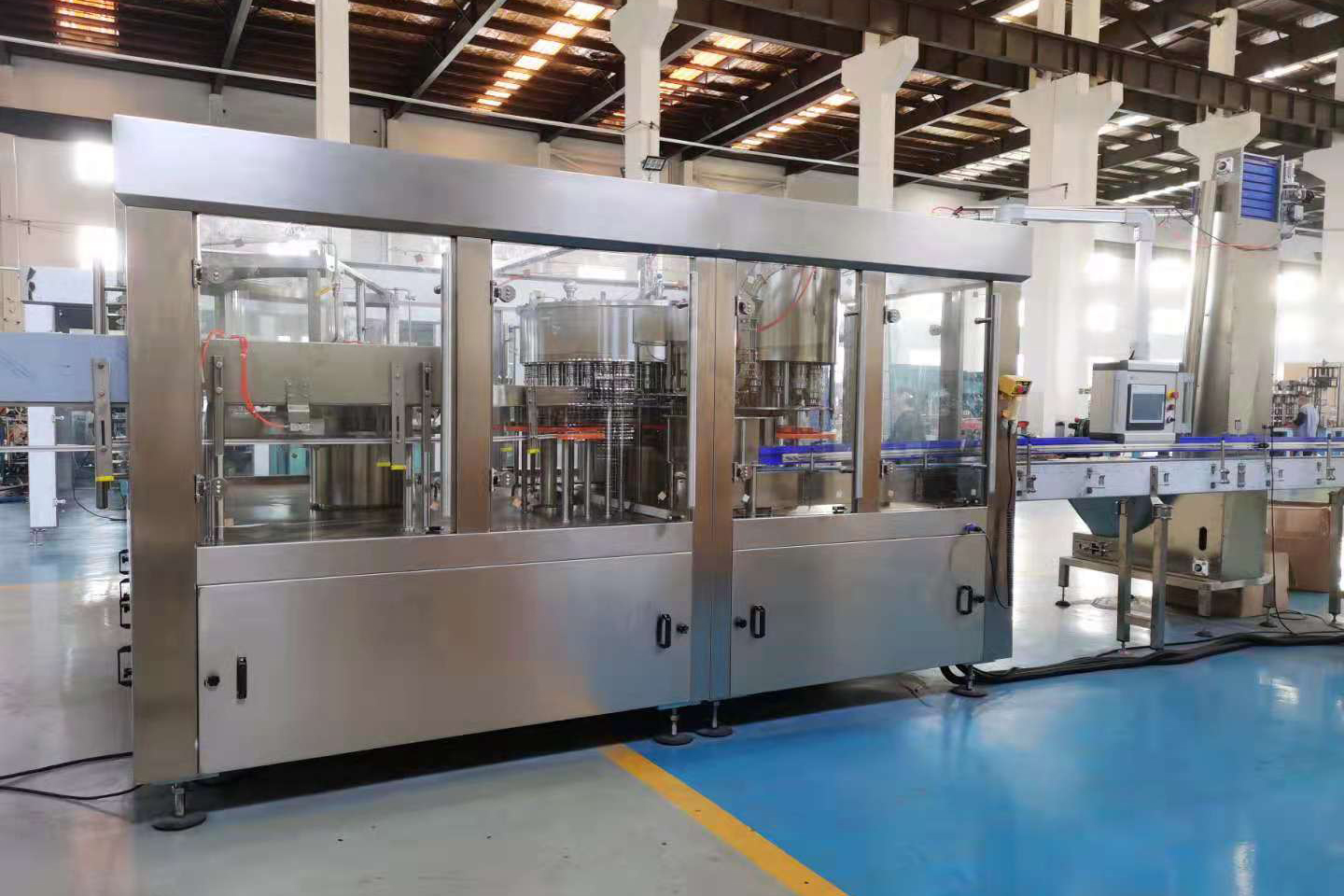
The PET blowing process is a crucial part of the production of plastic bottles, used extensively in industries like beverage packaging, personal care, pharmaceuticals, and household products. PET, or polyethylene terephthalate, is a versatile and strong material that can be molded into various shapes and sizes, making it the ideal choice for manufacturing lightweight and durable bottles. The blowing process involves transforming a small, solid plastic preform into a fully shaped bottle through the application of heat and pressure. Understanding this process is essential for manufacturers to optimize production and ensure high-quality, consistent bottles.
The PET blowing process consists of several stages, starting with the creation of a plastic preform, followed by heating, blowing, and cooling. This process is key to achieving the desired bottle shape, thickness, and strength, and requires precise control over temperature, pressure, and timing. In this article, we will explore the different stages of the PET blowing process, including the role of preforms, the technology used in blowing machines, and how this process contributes to the final product.
Table of Contents
H2: 1. What is a PET Preform?
H2: 2. The Heating Stage
H2: 3. The Blowing Stage
H2: 4. Cooling and Ejection
H2: 5. Integration with the Filling and Capping Process
H2: 6. Conclusion
1. What is a PET Preform?
A PET preform is a small, test-tube-like piece of plastic that serves as the starting point for the bottle-making process. It is typically produced through injection molding, where molten PET is injected into a mold to form a precise shape that resembles the final bottle but in a smaller, more compact form.
The preform is made with a precise thickness and structure to allow for easy expansion during the blowing stage. Preforms are designed to fit the specific requirements of the final product, whether it is a small water bottle or a larger container for juices or household cleaners. The quality of the preform is crucial, as it impacts the strength, clarity, and overall appearance of the final bottle.
Once the preform is created, it must be heated to the right temperature before it can be blown into its final shape. This stage requires the use of specialized equipment to ensure uniform heating throughout the preform, which is essential for consistent bottle quality.
2. The Heating Stage
The heating stage is where the PET preform is prepared for the blowing process. The preform is gradually heated to a temperature that makes it pliable and ready to expand. This is achieved by passing the preforms through a series of infrared heaters or ovens that raise the temperature to around 230°C to 250°C.
Proper heating is critical to the success of the blowing process. If the preform is not heated uniformly, it can result in inconsistent thickness, weak spots, or deformation in the final bottle. Advanced heating systems are designed to ensure that the preform is heated evenly, so it expands uniformly during the blowing phase.
This step is typically controlled by automated systems to maintain consistent temperatures, ensuring high-quality results. The temperature must be precisely controlled, as overheating or underheating the preform can lead to defects, such as bubbles or warping.
3. The Blowing Stage
The blowing stage is where the magic happens, and the preform is transformed into a bottle. During this stage, the heated preform is placed into a mold, and high-pressure air is injected into the preform, causing it to expand and take the shape of the mold.
There are two main types of blowing processes used in PET bottle production:
Extrusion Blow Molding – Used for more complex shapes and larger containers.
Injection Stretch Blow Molding – The most common method for producing PET bottles, especially for beverage packaging.
In injection stretch blow molding, the preform is first stretched longitudinally using a rod before air is blown into it. This stretching process ensures that the bottle has a uniform wall thickness, making it strong and resistant to breakage. The blowing process creates a bottle with the required dimensions, including the neck, body, and base.
The pressure and duration of the air injection are carefully controlled to ensure the bottle meets the desired specifications for strength, clarity, and appearance. A critical aspect of this stage is ensuring that the air pressure is high enough to evenly distribute the material but not so high that it causes the bottle to burst.
4. Cooling and Ejection
Once the bottle has been blown into shape, it must be cooled rapidly to solidify the PET material. The cooling stage involves circulating cold air or using water-cooled molds to quickly bring the temperature of the bottle down to a safe level for handling.
Cooling is essential to prevent deformation, warping, or stress fractures in the bottle. The cooling system must be carefully calibrated to ensure uniform cooling throughout the bottle. If the bottle cools too slowly or unevenly, it may develop weak spots that affect its integrity and appearance.
After cooling, the mold opens, and the finished bottle is ejected. Depending on the production setup, the bottles may then be automatically moved to the next phase in the production line, such as the filling, capping, and labeling processes. At this stage, the bottles are fully formed and ready for use in various industries.
5. Integration with the Filling and Capping Process
The PET blowing process does not occur in isolation. Once the bottles are blown and cooled, they must be integrated into the larger packaging process, which typically includes filling and capping. This is where systems like the Blowing Filling Capping Combiblock come into play.
The Blowing Filling Capping Combiblock combines the blowing, filling, and capping processes into a single integrated system. This integration offers several benefits:
Efficiency: Combining multiple stages into one machine reduces handling and increases production speed.
Consistency: Using a single system ensures that the bottle is handled consistently throughout the entire process, reducing the risk of contamination or defects.
Space-saving: Combiblocks are designed to minimize the amount of space required for the production line, making them ideal for facilities with limited floor space.
The seamless integration of blowing, filling, and capping helps to streamline the production line, ensuring high-speed operations and reduced labor costs.
Conclusion
The PET blowing process is a critical component of the production of plastic bottles, enabling manufacturers to create high-quality containers that are lightweight, durable, and versatile. From the initial creation of the preform to the final blowing, cooling, and ejection stages, each part of the process requires careful control and precision. Understanding the PET blowing process is essential for manufacturers looking to optimize their production lines, enhance product quality, and increase efficiency.
By integrating the blowing process with the filling and capping stages, manufacturers can further streamline their operations and reduce downtime, leading to significant cost savings and increased production capacity.
FAQs
How to choose the right capping machine?
Choosing the right capping machine depends on factors such as bottle type, capping speed, machine compatibility, and hygiene standards. It's essential to match the machine’s capabilities to the specific needs of your production line.
What is a bottle filling machine?
A bottle filling machine is a piece of equipment used to fill bottles with liquids, powders, or other products. It is typically part of an automated production line and is used to ensure precise, consistent filling of containers.
What are the steps in the blowing process of a PET bottle?
The steps in the PET blowing process include the creation of a preform, heating of the preform, the blowing process to form the bottle shape, followed by cooling and ejection of the finished bottle. This process ensures the production of high-quality PET bottles ready for packaging and distribution.

 English


