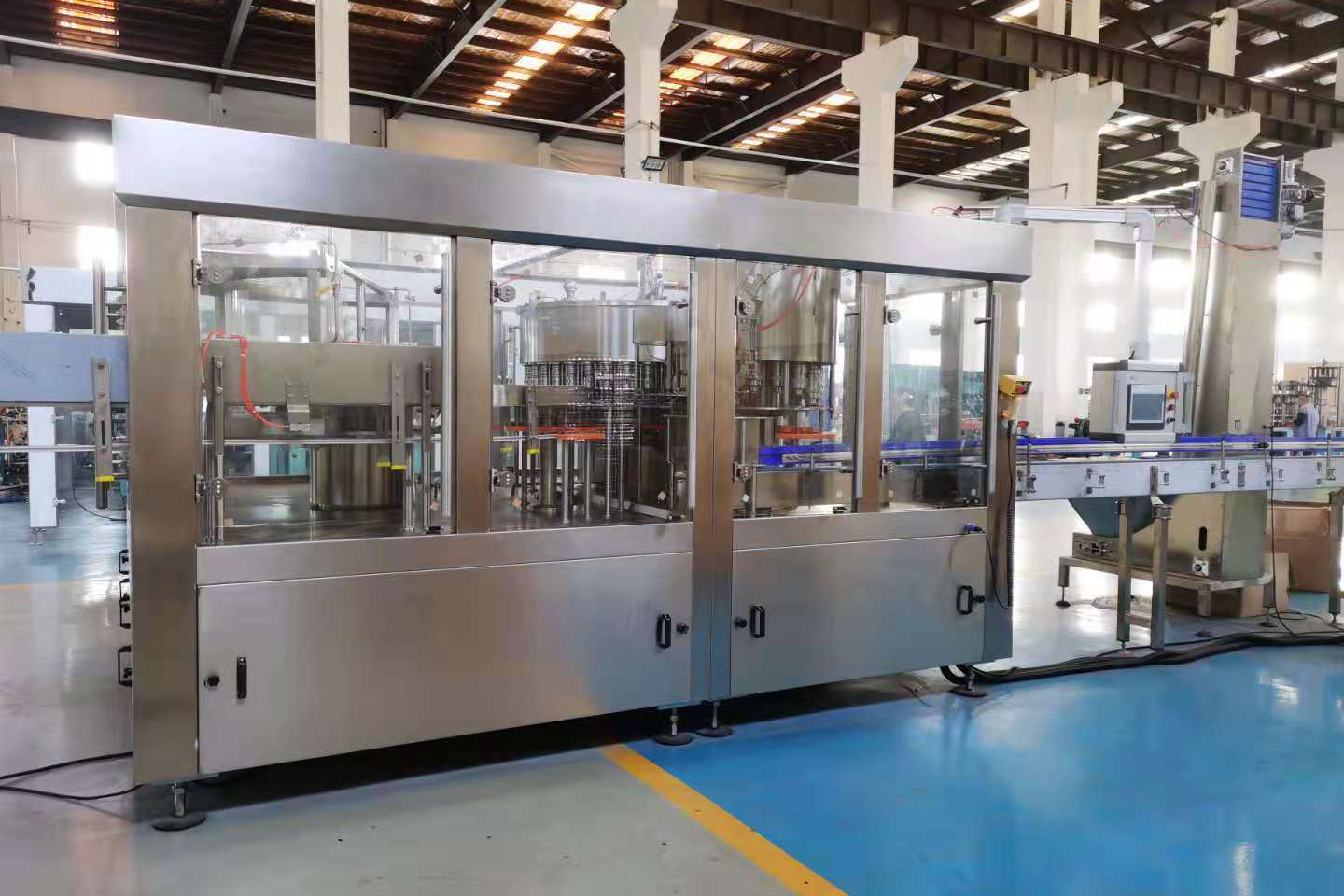
The beverage and bottled water industry has witnessed remarkable advancements in automation technology over the past few decades. As consumer demand for safe, clean drinking water continues to rise globally, manufacturers are constantly seeking efficient solutions to increase production capacity while maintaining the highest hygiene standards. Modern bottling facilities require sophisticated equipment that can handle multiple processes seamlessly, reduce manual intervention, and ensure consistent product quality. Among the most significant innovations in this field is the 3 in 1 water filling machine, which has revolutionized how bottled water is produced on an industrial scale.
A 3 in 1 water filling machine integrates three critical operations—bottle rinsing, filling, and capping—into a single automated system, streamlining the entire bottling process by processing bottles through one continuous operation without manual transfer between stations. This integration significantly reduces material handling, minimizes contamination risks, improves overall production efficiency, and enables manufacturers to achieve speeds ranging from 2,000 to 24,000 bottles per hour depending on the model and configuration.
Understanding the working principle of advanced water filling equipment is essential for manufacturers, production managers, and investors in the beverage industry. Whether you are planning to establish a new bottling plant or upgrade existing production lines, comprehending how these machines operate will help you make informed decisions about equipment selection, process optimization, and quality control. This comprehensive guide will delve deep into every aspect of 3 in 1 water filling machines, from their core components and operational processes to maintenance requirements and the various filling technologies available in the market today.
Table of Contents
What is a 3 in 1 Water Filling Machine?
How Does the Rinsing Process Work?
What is the Filling Principle?
How Does the Capping Process Function?
What Are the Main Components?
What Filling Methods Are Used?
What Are the Production Speed Capabilities?
How Does Bottle Neck Holding Technology Work?
What Maintenance Is Required?
Competitor Perspectives on 3-in-1 Water Filling Machines
Conclusion
What is a 3 in 1 Water Filling Machine?
A 3 in 1 water filling machine is a specialized piece of equipment that combines bottle rinsing, filling, and capping functions into one integrated monoblock system, designed specifically for high-speed production of bottled water and other non-carbonated beverages. This advanced water filling machine eliminates the need for separate machines for each process, creating a more compact production line that requires less floor space and reduces the complexity of material handling between different stations.
The concept of the 3 in 1 water filling machine emerged from the need to increase efficiency and reduce contamination risks in beverage production. Traditional production lines required bottles to be manually transferred between rinsing, filling, and capping stations, which increased the likelihood of contamination and reduced overall production speed. The integrated design of the automatic water bottle filling machine addresses these challenges by creating a seamless automated process where bottles are transported through each stage without manual intervention.
Modern 3 in 1 water filling machines are designed with flexibility in mind, accommodating various bottle sizes ranging from 200ml to 2 liters, and sometimes even larger containers up to 5 liters. These machines typically feature bottle neck holding technology, which allows for smooth handling of PET and glass bottles with minimal changeover time when switching between different bottle types. The drinking water filling machine category encompasses various models tailored for different production requirements, from small-scale operations producing 2,000 bottles per hour to large-scale facilities capable of processing 24,000 bottles per hour or more.
The integration of rinsing, filling, and capping into one machine offers significant advantages for manufacturers. First, it reduces the overall footprint of the production line, which is particularly valuable for facilities with limited space. Second, it minimizes the number of operators required to oversee the production process, leading to reduced labor costs. Third, the enclosed design of the 3 in 1 water bottle filling machine provides better protection against external contamination, ensuring higher product quality and safety standards.
How Does the Rinsing Process Work?
The rinsing process in a 3 in 1 water filling machine is the first critical step that involves automatically inverting bottles and spraying them internally with purified water or sanitizing solution to remove any potential contaminants before filling. This stage is essential for ensuring the hygiene and safety of the final product, as even microscopic particles or microorganisms remaining in the bottles can compromise water quality and pose health risks to consumers.
The rinsing operation begins with bottle loading, where empty bottles are fed into the water filling machine via an automated conveyor system. The machine’s gripping mechanism carefully secures each bottle, typically by holding the bottle neck, and then inverts them upside down to facilitate thorough cleaning. Specialized nozzles with a plum-like structure are positioned to spray water into the inverted bottles, ensuring that every corner of the sidewall and bottom is cleaned effectively. The design of these nozzles is crucial for achieving comprehensive coverage and removing any dust, debris, or residual contaminants from the bottle interior.
After the rinsing spray cycle is complete, the water filling machine automatically returns the bottles to their upright position, allowing any remaining water or sanitizing solution to drain out completely. This draining phase is critical because any excess liquid remaining in the bottles could dilute the product being filled or create quality issues. The precision timing and controlled movements of the rinsing mechanism ensure that each bottle receives consistent treatment while maintaining high throughput rates.
The rinsing process in a 3 in 1 water filling machine can be customized based on specific production requirements. Some models offer different rinsing modes, including single rinsing with purified water, double rinsing with water followed by sanitizing solution, or multi-stage rinsing with various cleaning agents. The choice of rinsing method depends on factors such as the quality of incoming bottles, the level of hygiene required for the product being filled, and regulatory standards in the target market. Advanced water bottle filling machines may also incorporate sterile air blowers to remove excess water from bottles after rinsing, further enhancing the drying process and preparing bottles for the filling stage.
What is the Filling Principle?
The filling principle in a 3 in 1 water filling machine involves precisely dispensing a controlled volume of liquid into each bottle using either gravity filling or pressure filling methods, with advanced mechanical filling valves ensuring accurate and consistent fill levels across all containers. This stage is the core function of the machine and requires sophisticated technology to maintain precision at high speeds while accommodating various bottle sizes and product characteristics.
Gravity filling is the most common method used for still water and non-carbonated beverages in a drinking water filling machine. In this approach, the product is stored in an elevated tank, and the liquid flows naturally into bottles positioned beneath the filling valves. The height of the tank creates sufficient pressure to fill bottles quickly while maintaining gentle product handling that prevents splashing or foaming. Gravity filling is particularly suitable for water because it preserves the product’s natural characteristics and minimizes the risk of oxygen pickup that could affect water quality.
Pressure filling, on the other hand, is used when filling carbonated beverages or products with specific viscosity requirements. This method applies controlled pressure to force the product into bottles, which is essential for maintaining carbonation levels in sparkling water or other fizzy drinks. The automatic water bottle filling machine equipped with pressure filling capabilities features specially designed valves that can handle carbonated products without losing CO2 during the filling process, ensuring consistent product quality and taste.
The filling process in a 3 in 1 water filling machine employs advanced level control mechanisms to ensure precise fill volumes. High-precision mechanical filling valves are commonly used, as they offer excellent accuracy and reliability even at high production speeds. These valves are designed to stop the flow of liquid precisely when the bottle reaches the desired fill level, minimizing waste and ensuring uniformity across all bottles. Some advanced water filling machine models incorporate electronic flow meters that provide even greater precision and can be easily adjusted for different fill volumes without mechanical changes.
The filling station also incorporates special features to handle different bottle types and sizes. Bottle neck holding technology allows the machine to accommodate various bottle shapes and sizes with minimal changeover time. This flexibility is crucial for manufacturers who produce multiple bottle formats, as it enables quick product changeovers and reduces production downtime. The design of the filling nozzles is also carefully engineered to prevent foaming or splashing, which could lead to product waste or quality issues.
How Does the Capping Process Function?
The capping process in a 3 in 1 water filling machine automatically feeds, positions, and secures caps onto filled bottles using magnetic capping heads that apply controlled torque to ensure proper sealing while minimizing bottle breakage and ensuring product integrity. This final stage completes the production cycle and is critical for maintaining product freshness, preventing contamination, and ensuring consumer convenience and safety.
The capping operation begins with cap feeding, where caps are automatically sorted and delivered to the capping station via a cap elevator or vibratory feeder. These feeding systems are designed to handle various cap types, including screw caps, snap-on caps, and sports caps, with high reliability and minimal jamming. The automatic water bottle filling machine’s cap feeding mechanism ensures a continuous supply of caps to match the production speed, preventing bottlenecks in the overall process.
Once caps reach the capping station, precise positioning mechanisms place each cap accurately onto the bottle opening. Advanced sensors and alignment systems ensure proper cap orientation, which is particularly important for caps with tamper-evident bands or specialized designs. The precision of this step is crucial for consistent sealing quality and preventing issues such as misaligned caps or improper seals that could compromise product safety.
The actual sealing is performed by capping heads that apply controlled torque to secure the caps. Magnetic capping technology is commonly employed in modern 3 in 1 water filling machines because it offers several advantages over traditional mechanical capping systems. Magnetic capping heads use magnetic force to apply torque, allowing for precise control and automatic adjustment to prevent over-tightening that could damage bottles or under-tightening that could result in leaks. This technology also reduces the risk of bottle breakage, which is especially important when handling glass bottles.
The capping process in a water bottle filling machine incorporates quality control features to verify proper sealing. These may include cap detection sensors that confirm the presence of caps on every bottle, torque monitoring systems that ensure proper tightening, and vision inspection systems that check for cap alignment and integrity. Advanced models may also include automatic rejection mechanisms that remove bottles with capping defects from the production line, ensuring only properly sealed products proceed to labeling and packaging.
What Are the Main Components?
The main components of a 3 in 1 water filling machine include the bottle infeed system, rinsing unit, filling station, capping mechanism, main drive system, PLC control panel, conveyor system, and various sensors and safety devices that work together to ensure smooth and efficient operation. Each component plays a crucial role in the overall functionality of the machine, and understanding these elements is essential for proper operation, maintenance, and troubleshooting.
The bottle infeed system is the entry point for empty bottles into the water filling machine. This typically consists of an air conveyor or tabletop conveyor that feeds bottles into the machine at a controlled rate that matches the processing speed. Sophisticated infeed systems may include bottle unscramblers for bulk bottle loading, bottle inspectors that detect and reject damaged or improperly oriented bottles before they enter the machine, and accumulation tables that ensure a smooth, continuous flow of bottles even when upstream supply varies.
The rinsing unit is responsible for cleaning bottles before filling. It comprises bottle gripping mechanisms that hold the bottles securely during the rinsing process, inversion systems that turn bottles upside down for internal cleaning, spray nozzles that deliver the rinsing water or sanitizing solution, and drainage systems that remove the spent rinsing liquid. The rinsing unit is typically constructed from stainless steel to ensure hygiene and durability, with easy-to-clean surfaces that meet food industry sanitary standards.
The filling station is the heart of the automatic water bottle filling machine and includes the product tank, filling valves, level control systems, and product pumps. The product tank stores the water or beverage being filled and is typically equipped with level sensors, temperature gauges, and CIP (Clean-In-Place) connections for sanitation. Filling valves are precision-engineered components that control the flow of product into bottles, with designs optimized for specific product characteristics and filling methods.
The capping mechanism consists of the cap hopper, cap elevator, cap feeder, capping heads, and cap delivery system. The cap hopper stores bulk caps, which are then elevated to the cap feeder via the cap elevator. The cap feeder orients and presents caps to the capping heads, which then apply them to the bottles. The capping heads are critical components that determine sealing quality and reliability, with magnetic capping systems being particularly popular for their precision and gentle handling.
The main drive system powers the entire water filling machine and includes the main motor, transmission system, and drive shafts that synchronize the movement of different components. Modern machines use servo motors for precise control and energy efficiency, with variable frequency drives (VFDs) allowing for speed adjustment to match production requirements.
The PLC control panel is the brain of the 3 in 1 water filling machine, housing the programmable logic controller that automates and monitors all machine functions. The PLC receives input from various sensors and controls the operation of motors, valves, and other actuators based on pre-programmed logic. Human-machine interfaces (HMIs) provide operators with visual feedback and control capabilities, allowing for parameter adjustment, production monitoring, and troubleshooting.
What Filling Methods Are Used?
The primary filling methods used in 3 in 1 water filling machines include gravity filling for still water and non-carbonated beverages, pressure filling for carbonated products, and volumetric filling for applications requiring precise volume control. Each method has its advantages and is selected based on product characteristics, production requirements, and quality standards.
Gravity filling is the most widely used method in water bottle filling machines due to its simplicity, reliability, and gentle product handling. In this method, the product is stored in an elevated tank, and the natural force of gravity causes the liquid to flow into bottles positioned below the filling valves. The height of the tank above the filling valves creates the necessary hydrostatic pressure to drive the filling process. Gravity filling is particularly suitable for water because it maintains the product’s natural state without introducing dissolved gases or altering its composition.
The key advantage of gravity filling in a drinking water filling machine is its ability to handle delicate products without causing foaming or splashing. The flow rate can be precisely controlled by adjusting the valve opening time and the tank height, ensuring consistent fill levels. Modern gravity filling systems incorporate advanced features such as no-drip nozzles, vacuum-assisted filling to improve accuracy, and snorkel-type nozzles that extend into the bottle to reduce turbulence during filling.
Pressure filling is essential for carbonated beverages and products with specific viscosity requirements. In this method, the product is forced into bottles under controlled pressure, which is necessary to maintain carbonation levels in sparkling water or other fizzy drinks. The automatic water bottle filling machine designed for pressure filling features specially constructed filling valves that can withstand pressurized operation while preventing CO2 loss during the filling process.
Pressure filling systems in 3 in 1 water filling machines typically use counter-pressure technology, where the bottle is pressurized with CO2 before filling to balance the pressure and prevent foaming or excessive gas release. The filling process involves several stages: pre-evacuation of air from the bottle, pressurization with CO2, filling under pressure, and pressure release before capping. This multi-stage approach ensures smooth filling while maintaining carbonation levels and product quality.
Volumetric filling represents another important method used in water filling machines, particularly when precise volume control is critical for regulatory compliance or economic reasons. Volumetric filling systems measure and dispense a specific volume of product into each container, using technologies such as piston fillers, cup fillers, or flow meters. Piston fillers use a cylinder and piston mechanism to draw and dispense precise volumes, while cup fillers use rotating cylinders with calibrated cups. Flow meter-based systems measure the actual flow of product and stop filling when the target volume is reached.
The choice of filling method for a particular water bottle filling machine application depends on several factors. Product characteristics such as viscosity, carbonation level, and sensitivity to oxygen exposure are primary considerations. Production requirements including speed, accuracy, and flexibility for different bottle sizes also influence the method selection. Regulatory requirements in the target market may mandate specific filling accuracy or documentation, which can favor volumetric approaches. Finally, economic factors such as initial equipment cost, operating costs, and maintenance requirements play a role in the decision-making process.
What Are the Production Speed Capabilities?
Production speed capabilities of 3 in 1 water filling machines range from 2,000 to 24,000 bottles per hour depending on the model, configuration, bottle size, and specific application requirements, with specialized high-speed models capable of even greater throughput for dedicated production lines. Understanding these capabilities is essential for manufacturers when selecting equipment that matches their production targets while ensuring optimal quality and operational efficiency.
Entry-level water filling machines typically offer production speeds of 2,000 to 6,000 bottles per hour, making them suitable for small to medium-sized operations or startups in the bottled water industry. These machines often feature simpler designs with fewer filling valves and basic automation, which helps keep initial investment costs lower while still providing the benefits of an integrated rinsing, filling, and capping system. The automatic water bottle filling machine in this category is ideal for producers serving local markets or niche products where production volumes are moderate but quality standards remain high.
Mid-range models generally operate at speeds between 6,000 and 12,000 bottles per hour, serving as the workhorse of many regional bottling operations. These drinking water filling machines feature more advanced designs with increased numbers of filling valves, more sophisticated control systems, and enhanced automation capabilities. The higher speeds are achieved through optimized mechanical designs, more powerful drive systems, and improved bottle handling mechanisms that can process containers rapidly while maintaining precision and accuracy.
High-speed production models represent the top tier of 3 in 1 water filling machine capabilities, with throughput rates of 12,000 to 24,000 bottles per hour or more. These machines are designed for large-scale operations serving national or international markets and require significant investment but offer superior efficiency and lower per-unit production costs. Features common in high-speed models include servo-driven control for precise motion, advanced bottle neck holding technology for gentle handling at high speeds, and sophisticated quality inspection systems integrated into the production line.
Several factors influence the actual production speed achievable with a specific water filling machine. Bottle size is a primary consideration, as smaller bottles can typically be processed faster than larger ones. For example, a machine might achieve its maximum speed with 500ml bottles but operate at a reduced rate when filling 2-liter bottles. Product characteristics also affect speed, with still water generally allowing faster filling than viscous products or carbonated beverages that require special handling to maintain quality.
The number of filling valves incorporated into the 3 in 1 water filling machine directly impacts production capacity. Machines with more valves can fill more bottles simultaneously, increasing overall throughput. However, the number of valves must be balanced with the capability of other machine components, such as the rinsing and capping stations, to ensure balanced operation and prevent bottlenecks in the production line.
Bottle handling technology also plays a crucial role in determining production speed. Advanced bottle neck holding systems, which secure bottles by their necks rather than gripping their bodies, allow for smoother, faster operation and easier changeover between different bottle sizes. The design of conveyor systems, star wheels, and timing screws that transport bottles between stations must be optimized for high-speed operation while preventing bottle damage or jams.
It’s important to note that the stated production speed of a water bottle filling machine represents the maximum capability under ideal conditions. Actual operating speed may be lower due to factors such as product changeovers, maintenance requirements, quality control rejections, and variations in bottle quality. Manufacturers should carefully evaluate their realistic production needs and consider building in some capacity margin when selecting equipment to ensure they can meet demand consistently.
How Does Bottle Neck Holding Technology Work?
Bottle neck holding technology in 3 in 1 water filling machines uses specially designed grippers that securely hold bottles by their necks rather than their bodies, enabling gentle handling, reduced changeover times between different bottle sizes, and improved operational efficiency at high production speeds. This innovative approach to bottle handling has become increasingly common in modern water filling machines due to its numerous advantages over traditional bottle body gripping methods.
The fundamental principle of bottle neck holding involves using gripper mechanisms that engage with the neck of the bottle, specifically the area below the cap finish. These grippers are typically designed with precision-machined contours that match standard bottle neck dimensions, ensuring a secure hold without damaging the bottle. The water filling machine incorporates multiple grippers arranged around the perimeter of the machine’s rotary turret, allowing dozens of bottles to be processed simultaneously as they move through rinsing, filling, and capping stations.
The advantages of bottle neck holding in automatic water bottle filling machines are significant. First, gripping the bottle neck allows for more consistent handling across different bottle shapes and sizes, as the neck dimensions are relatively standardized even when bottle bodies vary widely. This reduces the need for extensive changeover procedures when switching between different bottle formats, which can dramatically increase production flexibility and reduce downtime in facilities that produce multiple products.
Second, bottle neck holding provides gentler treatment of bottles compared to body gripping methods. Since the neck area is stronger and more rigid than the bottle body, especially for PET bottles, this technique minimizes the risk of deforming or damaging containers during high-speed operation. The drinking water filling machine can therefore operate at higher speeds with less concern about bottle integrity, contributing to overall production efficiency and product quality.
The mechanical design of bottle neck holding systems in 3 in 1 water filling machines is sophisticated. The grippers typically include spring-loaded or pneumatically actuated components that apply controlled force to the bottle neck, ensuring a secure grip without excessive pressure that could cause damage. Some systems incorporate adjustable gripper elements that can accommodate slight variations in bottle neck dimensions, further enhancing flexibility and reliability.
The implementation of bottle neck holding technology varies across different machine designs. Some water filling machines use fixed-position grippers that maintain a constant orientation throughout the process, while others incorporate articulated grippers that can rotate bottles during specific operations, such as inverting them for rinsing. The choice depends on the specific machine configuration and the processes required for different product types.
Changeover procedures are significantly simplified in water bottle filling machines equipped with bottle neck holding technology. When switching between different bottle sizes, operators typically only need to adjust the position of guide rails, star wheels, and timing screws that control bottle movement through the machine. The grippers themselves often require no adjustment because bottle neck dimensions remain relatively constant across different bottle formats. This can reduce changeover times from hours to minutes in some cases, dramatically increasing production flexibility.
The integration of bottle neck holding technology with other machine components creates a complete optimized system. For example, grippers are synchronized with the operation of rinsing nozzles, filling valves, and capping heads to ensure precise timing and coordination. Advanced systems may include sensors that verify proper gripper engagement before proceeding to the next processing stage, adding an extra layer of quality control and preventing errors that could lead to product waste or machine damage.
What Maintenance Is Required?
Maintenance requirements for 3 in 1 water filling machines include daily cleaning and sanitization procedures, regular lubrication of moving parts, periodic inspection and replacement of wear components such as seals and gaskets, calibration of sensors and filling valves, and comprehensive preventative maintenance schedules to ensure optimal performance and longevity of the equipment. Proper maintenance is essential for maintaining production efficiency, product quality, and the long-term reliability of the water filling machine.
Daily maintenance routines are critical for the consistent operation of automatic water bottle filling machines. At the beginning of each production shift, operators should inspect the machine for any visible damage or loose components, check that all safety guards are properly secured, and verify that all cleaning and sanitizing procedures from the previous shift were completed successfully. During operation, operators should monitor for unusual noises, vibrations, or performance issues that could indicate developing problems.
Cleaning and sanitization procedures are particularly important in drinking water filling machines due to the food safety requirements of the beverage industry. After each production run, the machine should be thoroughly cleaned to remove product residues, biofilms, or other contaminants that could affect product quality. Many modern water filling machines feature Clean-In-Place (CIP) systems that automate the cleaning process, circulating cleaning solutions through product contact surfaces, filling valves, and piping. The CIP process typically includes several stages: pre-rinse with water, circulation of caustic cleaning solution, intermediate rinse, circulation of acid cleaning solution if necessary, and final post-rinse with purified water.
Weekly maintenance tasks for 3 in 1 water filling machines include more detailed inspections and preventive measures. Operators should check all drive belts for wear and proper tension, inspect and lubricate conveyor chains and other moving components according to the manufacturer’s specifications, and verify that all safety systems are functioning correctly. Particular attention should be paid to the filling valves, which are critical components that require regular inspection and cleaning to maintain accuracy and prevent contamination.
Monthly maintenance routines involve more comprehensive inspections and potential component replacements. The water filling machine’s sensors and limit switches should be tested and calibrated if necessary to ensure accurate operation. Seals, gaskets, and O-rings throughout the system should be inspected for wear and replaced according to the maintenance schedule or sooner if visible degradation is detected. The electrical cabinet should be cleaned and inspected for proper connections and any signs of overheating components.
Quarterly and semi-annual maintenance for water bottle filling machines typically involves more extensive procedures that may require specialized technical knowledge. These procedures include thorough inspection and potential replacement of gearboxes, bearings, and other mechanical components, recalibration of the PLC control system and instrumentation, and comprehensive safety system testing. Some components may have recommended replacement intervals based on operating hours, regardless of their apparent condition, to prevent unexpected failures.
Preventive maintenance scheduling is essential for 3 in 1 water filling machines to minimize unplanned downtime and extend equipment life. Manufacturers typically provide recommended maintenance schedules based on operating hours or calendar time intervals. Implementing a computerized maintenance management system (CMMS) can help track maintenance tasks, schedule procedures based on actual operating conditions rather than fixed intervals, and maintain detailed maintenance histories that can be valuable for troubleshooting and warranty purposes.
Training maintenance personnel is another critical aspect of water filling machine upkeep. Proper training ensures that maintenance tasks are performed correctly, safely, and consistently. This includes training on specific maintenance procedures for the machine, safety protocols for working with industrial equipment, proper use of tools and testing equipment, and documentation requirements for maintaining accurate maintenance records. Well-trained maintenance personnel can identify potential problems early, perform preventive maintenance effectively, and respond quickly to equipment issues, minimizing production interruptions.
Spare parts management is also important for maintaining automatic water bottle filling machines. Keeping an inventory of critical wear components such as seals, gaskets, sensors, and control relays can reduce downtime by enabling quick replacement when components fail. Working with the equipment manufacturer to establish recommended spare parts lists based on operating conditions and maintenance history can help ensure that the right parts are available when needed without overstocking items that are rarely replaced.
Competitor Perspectives on 3-in-1 Water Filling Machines
EQS Machinery emphasizes that their 3-in-1 water filling machine integrates bottle rinsing, filling, and sealing into a single process, which reduces material handling and contamination while improving hygiene, production capacity, and efficiency. According to EQS, these machines often use gravity filling and magnetic capping, with adjustable capping force and PLC control, achieving speeds of 2000-24000 bottles per hour. They highlight that their hanging bottle design with pressure filling and minimal change parts makes it easy to accommodate different bottle types.
Reliable Machinery describes their 3-in-1 water filling machine as a versatile system that integrates three essential processes—rinsing, filling, and capping—into one seamless operation, significantly enhancing production efficiency. They note that the machine is designed to streamline the bottling process, ensuring high-speed production while maintaining the highest standards of hygiene and product quality. Reliable Machinery explains that the working principle involves a detailed rinsing process where bottles are inverted and sprayed with high-pressure water jets, followed by precise filling using gravity or pressure methods depending on the liquid type, and finally secure capping with various cap types to ensure product integrity.
Huayu Hy-Filling positions their 3-in-1 water filling machine as part of a complete PET bottled drinking mineral water filling production line, featuring blowing-filling-capping 3-in-1 monoblock high-speed rotary filling. Their system is based on “high-speed blow molding machine unit high-speed filling machine” technology. According to Huayu, their high accuracy carbonated beverage bottling plant adopts bottle neck holding transmission technology to realize fully automatic rinsing, filling, and capping. They emphasize that their equipment level is in a leading position in the domestic industry and that they provide turn-key solutions for various water projects including purified water, mineral water, spring water, soda water, oxygen-rich water, selenium-rich water, and hydrogen-rich water.
Conclusion
The 3 in 1 water filling machine represents a pinnacle of automation technology in the beverage industry, integrating three critical operations into one streamlined system that enhances efficiency, quality, and profitability. From the precise rinsing process that ensures bottle hygiene to the sophisticated filling mechanisms that deliver consistent product volumes, and the reliable capping systems that secure product integrity, every component of these machines is engineered for optimal performance in demanding production environments.
For manufacturers and investors in the bottled water industry, understanding the working principles of water filling machines is essential for making informed decisions about equipment selection and operational strategies. The choice between different filling methods, production speeds, and technological features should be based on specific production requirements, product characteristics, market demands, and long-term business objectives. As technology continues to evolve, water bottle filling machines are becoming increasingly sophisticated, incorporating advanced automation, data collection, and quality control features that further enhance their value to production operations.
The future of drinking water filling machines will likely see continued innovation in areas such as energy efficiency, flexibility for multi-product production, integration with smart factory systems, and enhanced sanitation capabilities. As consumer expectations for product quality and safety continue to rise, and as regulatory requirements become more stringent, the role of advanced water filling machines in ensuring consistent, high-quality production will only increase in importance.
Whether you are establishing a new bottling facility or upgrading an existing production line, investing in a properly specified 3 in 1 water filling machine can provide significant competitive advantages. By combining efficient operation, high product quality, and flexibility to adapt to changing market conditions, these machines offer a solid foundation for sustainable growth in the competitive bottled water industry.

 English


