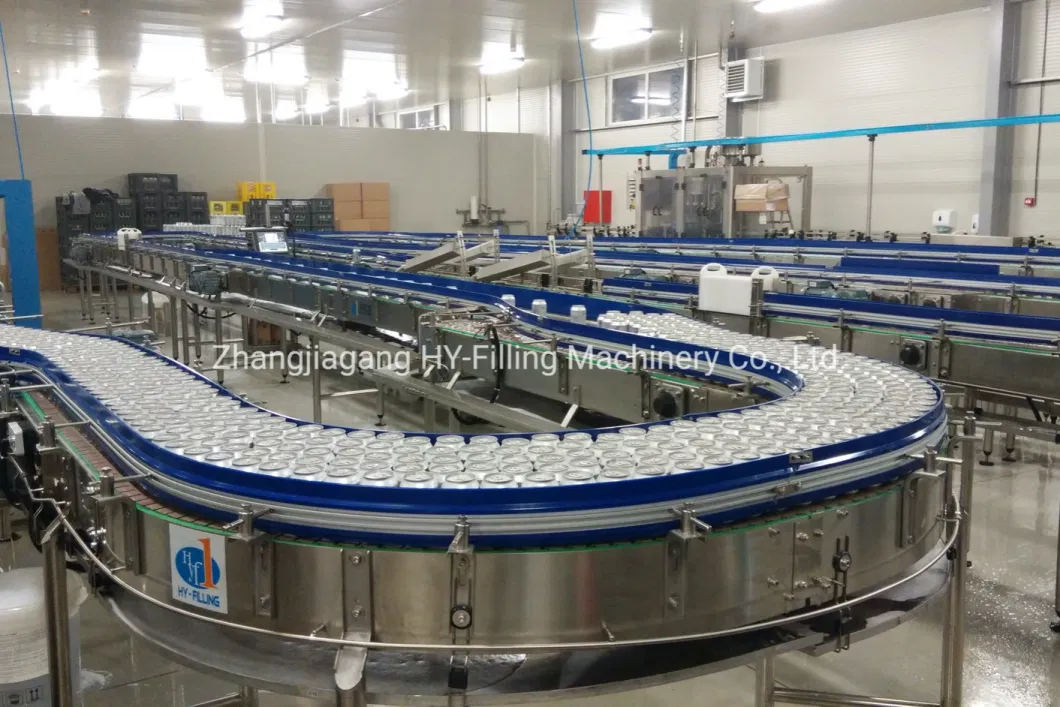
Many businesses use automatic filling machines. These machines make work faster and more exact. They also help save money. Automatic filling machines fill bottles and containers. This means there are fewer mistakes. The results are more consistent.
Efficiency goes up when a liquid filling machine fills 120 bottles each minute.
Accuracy gets better because smart controls measure the right amount.
Companies spend less money. They need fewer workers and make fewer mistakes than with semi-automatic filling machines.
Scalability means factories can add more filling heads. This helps them make more products.
Hygiene improves because liquid filling machines keep packaging clean. This helps products last longer.
Integration with other packaging equipment helps watch and check quality in real time.
Liquid filling machines are used for food, cosmetics, and medicine. They make filling and packaging easier and more trustworthy.
Key Takeaways
Automatic filling machines work fast. They fill lots of bottles quickly. This means fewer workers are needed.
These machines put the right amount of liquid in each bottle. This helps stop waste. It also makes products the same every time.
Using automatic filling machines saves money on workers. It also lowers mistakes. This helps factories save money and make better products.
Filling machines can use many bottle sizes and shapes. This makes them good for different products. They are easy to upgrade when a business gets bigger.
They keep the filling process clean and safe. Cleaning is easy. Safety features protect workers. These machines follow industry rules.
Efficiency with Filling Machines
Faster Production
Automatic filling machines help factories work faster. They use conveyor belts to move bottles quickly. This lets the machine fill many bottles every hour. Workers do not have to fill bottles by hand. The process is much quicker and easier.
Here is a table that shows how manual and automatic filling are different:
Filling Method | Production Speed (bags/hour) | Labor Requirements |
|---|
Manual Filling | 100-150 | Team of 3 to 5 people |
Automated Filling | 500-2,000 (depending on model) | Usually 1 operator, little help needed |
Automatic filling machines can fill thousands of containers each hour. They help companies make more products without hiring extra workers. The machines also stop less often. Features like clean-in-place and quick changeovers keep the machine working longer. Easy cleaning and regular care mean less time lost between batches.
Consistent Output
Factories want every product to look the same. Automatic filling machines help make this happen. They use controls to measure the right amount of liquid for each container. This keeps the fill level even and stops mistakes.
Automatic filling machines need little help from workers.
They keep the filling steady, even for long hours.
The machines check data and change settings for better results.
Working with cappers and labelers makes packaging smooth.
Automation helps factories waste less and work better. The filling machine helps meet quality rules and builds trust with buyers. With a filling machine, factories can fill different products and sizes while keeping results steady.
Accuracy of Liquid Filling Machine
Precise Volumes
A liquid filling machine gives the right amount each time. It uses sensors and smart controls to measure liquid for every bottle. This keeps the filling steady and dependable. Operators pick how much liquid they want. The machine puts in the liquid with great care.
Factories trust these machines because they make fewer mistakes. Machines do not get tired or lose focus. They fill every container with the same amount, even for long hours. This is important for things like medicine, juice, or shampoo. Customers want every bottle to look the same.
Here is a table that shows how automatic filling machines are more accurate:
Filling Method | Typical Accuracy (%) | Consistency Level |
|---|
Manual Filling | 85-90 | Variable |
Automatic Filling | 99+ | Very High |
Automatic filling machines use smart controls to keep liquid at the right level. They work for thick and thin liquids. Companies use them for water, sauces, oils, and other products. This helps every product meet quality rules.
Less Waste
Liquid filling machines help factories waste less. They use sensors to stop spills and overfilling. Manual filling can cause mistakes and more waste. Workers might pour too much or too little, making bottles uneven. This can hurt quality and cost more money.
Automatic filling machines fix these problems. They fill each container with the right amount. The machines lower spills and keep the area clean. Companies save money because less product is lost. They also use less water and cleaning supplies.
Automatic filling machines use sensors and controls to fill containers with the right amount, stopping spills and overfilling.
Manual filling can cause mistakes, uneven bottles, and more waste.
Automated filling machines use sensors and controls to keep fill levels steady, lowering waste.
Manual filling depends on worker skill, so bottles can be uneven and more product is given away.
Water filling machines give the exact amount, so every bottle is the same and spills are less.
Manual filling causes more waste and can hurt the environment.
Factories that use liquid filling machines see less waste and better results. The machines help the environment by lowering spills and plastic waste. Over time, companies save money and make their brand stronger. Liquid filling machines make filling smarter and cleaner.
Labor and Cost Savings
Reduced Manual Labor
Factories want to spend less and work better. A filling machine helps with both. It does jobs that needed many workers before. Workers do not need to watch each bottle. The machine does the hard part. Now, one person can run the whole line. This means fewer workers and fewer mistakes.
A filling machine takes over jobs from teams who filled bottles by hand.
Companies can move workers to other jobs that need more skill.
Less manual work means fewer injuries and less tired staff.
Filling machines help factories when there are not enough workers.
A filling machine helps when there are not enough workers. Many factories have trouble hiring people. The machine keeps work going with fewer workers. It also helps keep good workers by giving them easier jobs. Semi-automatic filling machines need more help from workers. A fully automatic filling machine does most of the work alone.
Here is a table that shows how labor needs change:
Filling Method | Number of Workers Needed | Skill Level Needed |
|---|
Manual Filling | 3-5 | Basic |
Semi-automatic Filling Machines | 2-3 | Moderate |
Automatic Filling Machine | 1 | Skilled Operator |
Lower Error Rates
A filling machine makes fewer mistakes than people. It uses sensors and smart controls to check every step. The machine fills each bottle with the same amount. This stops overfilling and product loss. Semi-automatic filling machines still need workers to watch the process, so mistakes can happen. An automatic filling machine uses preset settings and special nozzles to keep the filling exact.
The machine lowers human errors by taking over the filling process.
It delivers the same volume to every container, so products look the same.
Programmable controls let operators set the right amount for each filling job.
The machine works with other equipment, so changeovers are quick and smooth.
Advanced sensors check weight, size, and sealing, so fewer bottles get rejected.
Less manual work means less risk of contamination.
A filling machine also helps with quality. It keeps the filling steady, even when the product changes. Operators can set and watch the filling from a screen. The machine can fill many types of bottles and liquids. This means fewer errors and less waste. Semi-automatic filling machines do not have as many controls, so they make more mistakes.
Scalability and Flexibility
Adapting to Growth
A filling machine helps companies grow easily. They can add more filling heads when they need to make more. Upgrading controls is simple if demand goes up. This lets them fill more bottles every hour. Many factories pick a bottle filling machine because it fits with what they already have. They do not need to buy new machines for each new product. The filling machine works for many liquids, like juice or shampoo.
Automated cosmetic filling machines let businesses change how much they fill and the packaging style fast. They work with different products and bottle sizes. Companies can set the machine for each batch. This flexibility saves time and money when markets change. The filling machine is a smart buy for long-term success. It helps companies stay ahead and ready for the future.
The market for semi-automatic multi-head filling machines is getting bigger. Small and medium businesses use these machines to make more products. They do not need to change their whole setup. The filling machine works for food, medicine, cosmetics, and health products. It lets them switch products quickly and fill with care. This shows a bottle filling machine can grow with a business.
Filling Machine Type | Description / Application | Suitable Products / Features |
|---|
Gravity Filling Machines | Uses gravity to fill containers | Water, wine, oil, spirits, vinegar |
Overflow Filling Machines | Fills to a consistent level regardless of container volume | Thin to medium viscosity liquids; foaming products |
Piston Filling Machines | Uses piston to measure and dispense product | Honey, jams, oil, pastes, sauces, cosmetic creams |
Monobloc Liquid Filling Systems | Combines filling, capping, and labeling in one system | High-speed, multi-step packaging for liquid products |
Multiple Container Types
A filling machine can fill many bottle shapes and sizes. It works for glass, plastic, and metal bottles. DTM liquid filling machines are used for food, drinks, medicine, personal care, and chemicals. They can be changed for each job. Companies use machines with many filling heads, labeling, and capping. This lets them fill different bottles on one line.
Inline filling machines work with many bottle sizes and thicknesses.
Rotary and piston filling machines are good for things like sauces or creams.
Monobloc systems do many packaging steps for different bottles.
Machines work with conveyors, labelers, and cappers for smooth filling.
Settings can be changed so workers can switch bottles quickly.
Automated filling machines come in many types. Overflow fillers, piston fillers, and pump fillers work for different liquids and bottles. Workers change settings to fit the bottle size. Custom options and the ability to grow help companies keep up with new needs. Clean features and automation make filling faster and more exact for every bottle.
Monobloc liquid filling systems do filling, capping, and labeling together. They are good for fast work with many bottle types. These systems help companies fill liquids quickly and keep quality high.
Hygiene and Safety in Liquid Filling Machines
Clean Operation
A filling machine helps keep the area clean and safe. It uses food-grade stainless steel that does not react with liquids. These surfaces are simple to wash and sanitize. Many machines have cleaning systems that work by themselves. These systems clean inside parts without taking the machine apart. This lowers the chance of germs and keeps each batch fresh.
Automation means workers touch the product less. Less contact makes contamination less likely. The machine uses sensors to find spills or leaks. If there is a problem, it stops and tells the operator. This keeps the workspace safe and the liquid inside the bottles.
Here are ways liquid filling machines help keep things clean:
Cleaning cycles remove leftover liquid and stop buildup.
Sensors check for spills, leaks, or blockages.
Food-grade parts follow strict hygiene rules.
Less manual work lowers contamination risk.
Feature | Benefit |
|---|
Food-grade stainless steel | Simple to clean, safe for liquid |
Automated cleaning systems | Fast and thorough cleaning |
Leak and spill sensors | Quick action for problems |
Minimal human contact | Lower risk of contamination |
Industry Compliance
Liquid filling machines help companies follow tough rules. In food and drink factories, these machines meet cGMP standards. These rules help stop foodborne sickness and keep products safe. Many machines also follow HACCP and HARPC rules. These systems help control risks and keep filling safe.
A filling machine has sensors that check temperature, pressure, and hygiene. If something is wrong, the machine sends a warning. Companies keep records of cleaning, care, and checks. Inspectors look at these records to make sure rules are followed.
Machines meet FDA and EU safety rules.
Automated cleaning lowers human mistakes.
Sensors watch for trouble right away.
Records show when cleaning and checks happen.
Training helps workers use the machine safely.
Modern filling machines protect workers too. Safety sensors and emergency stops help prevent injuries. Guardrails and covers keep hands away from moving parts. Machines will not run if doors are open. These features help companies follow safety rules and keep everyone safe.
Integration with Inline Filling Machines
Automated Packaging Lines
Inline filling machines are important in packaging today. They move bottles on a straight conveyor. Each bottle gets filled quickly. These machines connect to other equipment easily. Cappers and labelers join the line. Tamper-evident banding systems also fit in. The workflow is smooth and does not stop. Each step happens one after another. Operators can add more fill heads when needed. They upgrade controls as production grows. The modular design helps factories automate slowly.
Inline filling machines use electronics to manage bottles. They keep timing and speed matched with other machines. This teamwork means fewer mistakes. There is less downtime. Sensors check every bottle for the right fill. Machines change settings for different products. Factories can switch from semi-automatic to automatic easily.
Feature | Benefit |
|---|
Electronic bottle management | Smooth workflow |
Modular integration | Easy upgrades |
Sensor-based controls | Fewer errors |
PLC synchronization | Better timing and speed |
Compatibility | Works with cappers, labelers |
Inline filling machines help factories work faster. They make work safer too. Labor costs go down. Workers do not get as tired. Machines run longer and faster than people. Automation makes packaging and shipping quicker. Companies get better quality and waste less.
Data and Monitoring
Inline filling machines use sensors to watch fill levels. These sensors check each bottle for accuracy. Machines collect data right away. Operators see dashboards with fill volume and machine status. If there is a problem, the system sends an alert. The team fixes issues before quality drops.
Factories use IoT systems for nonstop monitoring. These systems track how machines work. They predict when maintenance is needed. AI tools look at old data and change fill settings. This keeps production high and quality steady. Managers can check the line from anywhere. Integration with enterprise systems helps track batches.
Manufacturers get real-time data. They find problems early and fix them fast. Automated bottle filling machines stop overfills and underfills. Sensors spot mistakes and change fill rates. Companies follow industry rules and waste less. Case studies show faster production and better accuracy with automated inline filling machines.
Real-time dashboards help operators keep fill levels exact.
IoT sensors warn about possible failures before they happen.
AI-powered systems optimize filling and reduce downtime.
Remote monitoring increases flexibility and oversight.
Integration with ERP and MES systems improves traceability.
Inline filling machines give factories tools to keep high standards. They support quality control and help companies grow.
Automatic filling machines help companies make more products quickly. They also help make sure the work is done the same way every time. Businesses pick these machines for a few main reasons:
They give the right amount of liquid, so less is wasted and money is saved.
These machines can fill many shapes and sizes of containers, so they work for lots of products.
They fit with other machines already in the factory, so work does not stop for long.
The machines are easy to use and work well, which helps keep products safe and good.
FAQ
What types of products can a liquid filling machine handle?
A liquid filling machine can fill many things. It works for water, juice, oil, sauces, and creams. Factories use it for food, cosmetics, and medicine. The machine can handle thick or thin liquids. It fills bottles of many shapes and sizes.
How does a filling machine improve accuracy?
A filling machine uses sensors and controls to help. It checks each fill carefully. Every bottle gets the same amount. This helps stop mistakes. Companies use it for things that need exact fills, like medicine or drinks.
Can a liquid filling machine fill different container sizes?
Yes, a liquid filling machine can change for each job. Operators choose the right size and shape. The machine fills small bottles or big containers. It works with glass, plastic, and metal. This helps factories do many jobs.
Is a filling machine easy to clean and maintain?
A filling machine has stainless steel parts. It has cleaning systems that work on their own. Workers start cleaning cycles to keep it safe. The machine needs regular checks. Simple care helps it last longer and keeps products safe.
What safety features do liquid filling machines offer?
Liquid filling machines have sensors for spills and leaks. They stop if something is wrong. Safety covers keep workers safe. Emergency stops help stop injuries. The machine follows rules for food and medicine. It keeps the workspace safe and clean.

 English


