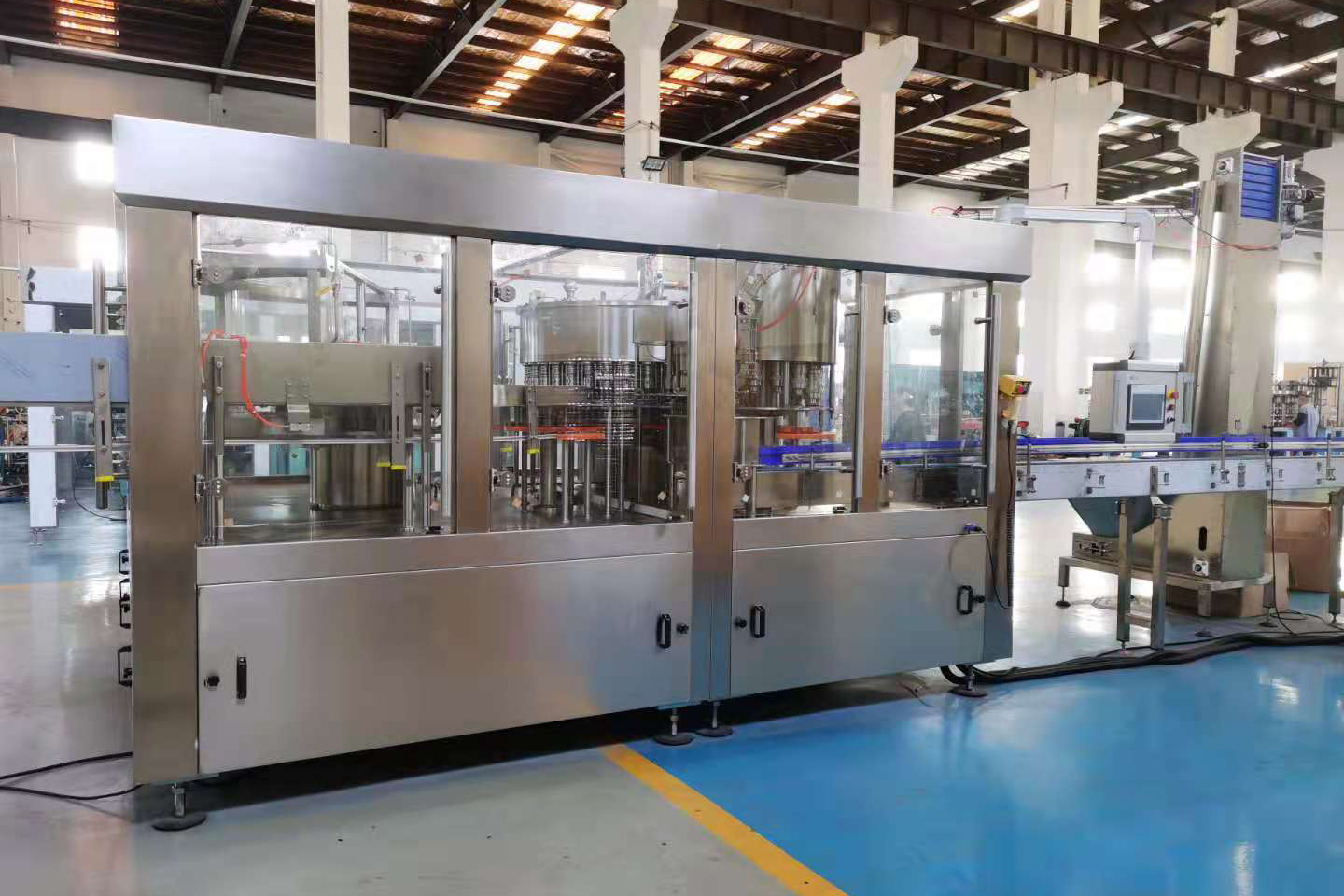
A liquid filling machine lets you fill bottles fast and right. You can use it for many liquids, like water or syrup. This machine helps your line work quickly and makes fewer mistakes.
You waste less because the liquid filling machine does rinsing, filling, and capping together.
Sensors watch each bottle, so every fill is the same.
Companies like PepsiCo made 25% more products and spent 20% less money after using these machines.
The small size saves space, so you can add more machines or workers.
You can change the machine to fit different bottle sizes and liquids.
A liquid filling machine gives you more control over your liquids. It keeps your work smooth and helps you use less energy—up to 15% less than older ways.
Key Takeaways
Liquid filling machines make bottle filling faster. They also help lower waste and mistakes. This helps your business save money and work better.
There are different machines for different liquids. Gravity fillers work best for thin liquids. Thick or chunky products need piston or pump fillers.
You must pick the right machine for your product. Think about how thick your product is. Also, look at bottle size, speed, and your budget. This helps you get the right fill and smooth work.
Filling machines can work with conveyors, cappers, and labelers. This makes your whole line run well. You can fill more bottles without stopping.
Clean and take care of your machine often. This keeps it safe and working well. It helps you make better products and grow your business.
What Is a Liquid Filling Machine
Purpose and Function
A liquid filling machine helps you fill bottles fast and with the right amount. This equipment lets you control how much liquid goes in each bottle. That way, every product is the same. Liquid filling machines are used in factories to make packaging quicker and more dependable. They help stop spills and waste, so you save money and keep your area tidy.
A liquid bottle filling machine puts the right amount of liquid in each container. Some machines measure by volume, some by weight, and some by time. You can use these machines for thin liquids like water or thick ones like syrup. Many machines can work with different bottle sizes without needing new parts. Safety features like "no bottle-no filling" stop you from wasting product.
Here is a simple chart about what these machines do:
Primary Functions of Liquid Filling Machines | Description |
|---|
Accurate Dispensing | Puts the right amount of liquid in each container. |
Handling Various Viscosities | Works with both thin and thick liquids. |
Minimizing Product Waste | Stops spills and overflows. |
Increasing Production Speed | Fills lots of bottles quickly. |
Adapting to Different Containers | Fits many bottle shapes and sizes. |
Streamlining Production | Makes your line work better. |
Maintaining Product Quality | Keeps every bottle at the same high standard. |
Meeting Regulatory Standards | Helps you follow industry rules. |
Applications in Industry
You can find liquid filling machines in many businesses. They help package drinks, medicine, and cleaning products. If you work with food and drinks, you might use a liquid bottle filling machine for juice, milk, or salad dressing. In cosmetics, you can fill bottles with shampoo, lotion, or perfume. Cleaning companies use these machines for detergents and floor cleaners. Chemical plants use them for acids, oils, and other liquids that need special care.
Food and Beverage: wine, soft drinks, juices, dairy, salad dressings
Cosmetics: perfumes, shampoos, oils, lotions, nail polish
Cleaning Supplies: floor cleaners, laundry detergents, multipurpose cleaners
Industrial Chemicals: acids, oils, and other liquids that need special care
Other uses: pharmaceuticals, paints, sealants, automotive fluids, and even melted products like candles
Liquid packaging machines help you work with many kinds of liquids and bottles. You can use them for thin, foamy, thick, or even dangerous liquids. They make your liquid packaging safer and easier.
How Filling Machines Work
Filling Machine Working Principle
You can see filling machines on many factory lines. The filling machine working principle changes with the liquid and machine type. Here is how it usually works:
Containers move on belts and stop under the filling nozzles.
The machine uses different ways to fill each bottle. Gravity fillers let liquid drop from a tank above. Pump fillers use pumps to move thick liquids. Piston fillers pull liquid in and push it out with a piston. Overflow fillers fill bottles to a set line and send extra liquid back. Bottom-up or isobaric fillers put the nozzle at the bottom and fill up, which helps stop foam.
Sensors check if each container gets the right amount of liquid. This step makes sure every fill is correct.
After filling, the machine might cap or seal the bottles before moving them along.
You can pick a filling machine working principle for your product. Thin liquids like water use gravity fillers. Thick or chunky products need piston or pump fillers. Clear bottles often use overflow fillers for a neat look. These ways help you get the best results for your filling job.
Main Components
Every liquid filling machine has parts that work together. The main components of a liquid filling machine are:
Machine Frame: This strong base holds all the parts. It keeps the machine steady while it works.
Filling Head: This part puts the liquid into each bottle. It matches the filling machine working principle you use.
Mechanical Drive System: Motors and gears move bottles and control filling.
Sensors and Signals: These check if bottles are in place and filled right.
PLC and HMI Control Systems: The PLC is like the brain. It controls speed and how much liquid goes in. The HMI is a screen or buttons you use to set up and watch the machine.
Conveying System: Belts and rails move bottles from one spot to the next.
Rinsing and Capping Groups: Some machines rinse bottles before filling and cap them after.
These components of a liquid filling machine work together. They help your filling process run smooth. You get fast, safe, and steady results by using the right working principles and equipment.
Types of Liquid Filling Machines
There are many types of liquid filling machines. Each type works best for certain products and jobs. You should learn how each one works and what liquids it can fill. This helps you choose the right liquid bottle filling machine for your needs.
Here is a simple table that compares the main types of liquid filling machines:
Type of Liquid Filling Machine | Operation Principle | Suitable Liquid Viscosity | Typical Applications |
|---|
Gravity Fillers | Gravity flow from tank above; valves open for set time | Thin, free-flowing liquids | Water, inks, foamy drinks |
Piston Fillers | Piston draws and dispenses liquid | Medium to high viscosity | Sauces, batters, creams |
Pump Fillers | Uses pumps (gear, lobe, peristaltic) to move liquid | Low to high viscosity | Cosmetics, chemicals, dairy |
Overflow Fillers | Fills to a set level, returns excess | Thin to medium, foamy liquids | Clear bottles, soaps, oils |
Isobaric Fillers | Maintains pressure to prevent CO2 loss | Carbonated beverages | Soda, beer, sparkling water |
You can see that these machines work in different ways. They handle different products and are used in different places.
Gravity Filling Machines
Gravity filling machines use gravity to move liquid from a tank into bottles. You put bottles under the nozzles. The valves open, and the liquid flows down by itself. This works best for thin liquids like water, juice, or ink.
Advantages:
The design is simple and saves money.
It is easy to use and fix.
It fills thin liquids accurately.
It can fill dangerous liquids, like flammable or corrosive chemicals.
Disadvantages:
It is slower than other machines because it uses gravity.
It does not work well for thick or chunky liquids.
It is best for small, simple bottles.
You can find gravity fillers in food, drink, cosmetic, and chemical factories. Some have more than one head to fill many bottles at once.
Piston Filling Machines
A piston filling machine uses a piston to pull liquid in and push it out. You can change the piston stroke to control how much liquid goes in each bottle. This machine is good for thick or chunky products.
When to Use:
You fill sauces, jams, creams, gels, or batters.
You need to fill liquids with soft pieces, like salsa or fruit preserves.
You want to use the same machine for small and large bottles.
Pros:
It can fill both thin and thick liquids.
It fills chunky products without getting stuck.
It gives you the same fill every time.
You can easily change it for different bottle sizes.
Cons:
It has more moving parts, so it needs more fixing.
It is not as fast as some other machines for thin liquids.
Pump Filling Machines
Pump filling machines use pumps to move liquid into bottles. You can pick gear, lobe, or peristaltic pumps for your product. This makes pump fillers very flexible.
Pump Type | Best For | Why Use It? |
|---|
Peristaltic | Delicate, corrosive, or hygienic liquids | Only tubing touches the liquid, easy to clean, great for medicine or flavors |
Gear | High-volume cleaning liquids, chemicals | Fast, simple, less accurate, needs gravity feed |
Lobe | Thick, viscous liquids | Handles dairy, cosmetics, food, accurate and clean |
Benefits:
It works with both thin and thick liquids.
It does not clog, even with some small pieces.
It is good for products that must stay clean.
Drawbacks:
You see pump filling machines in cosmetics, medicine, dairy, and chemical factories. They help you fill many kinds of bottles and liquids.
Overflow Filling Machines
Overflow filling machines fill each bottle to the same level. It does not matter what shape or size the bottle is. The nozzle seals the bottle top. Liquid fills the bottle until it reaches the return tube. Extra liquid goes back to the tank. This keeps every bottle looking the same on the shelf.
How It Works:
The nozzle seals the bottle.
Liquid fills the bottle.
When the liquid reaches the return tube, extra liquid goes back to the tank.
The machine stops and lifts the nozzles.
Key Features:
It fills to a set level, not just by volume.
It works well with foamy products.
It sends extra liquid back, so you waste less.
Best For:
Clear bottles where you want every fill line to match.
Soaps, oils, cleaning products, and foamy drinks.
Limitations:
Isobaric Filling Machines
Isobaric filling machines, also called counter-pressure fillers, fill bottles under pressure. This keeps fizzy drinks bubbly and stops them from foaming over. The machine matches the pressure in the bottle and the tank before filling.
Feature | Isobaric Filling Machines | Gravity Filling Machines |
|---|
Suitability | Best for carbonated drinks (soda, beer, sparkling water) | Best for still, thin liquids |
Principle | Maintains equal pressure to keep carbonation | Uses gravity, can cause foaming |
Carbonation | Keeps bubbles in, prevents foaming | Loses carbonation, causes foam |
Complexity | More complex, needs pressure controls | Simple, fewer controls |
Cost | Higher upfront cost | Lower cost |
Accuracy | High accuracy, even with bubbles | Good for still liquids |
Limitations | Needs strong bottles, not for flexible containers | Not for carbonated drinks |
Why Use It:
You fill soda, beer, or sparkling water.
You want to keep drinks fizzy and stop foam.
You need fast, accurate filling for glass or metal bottles.
Downsides:
It costs more than other filling machines.
It needs bottles that can handle pressure.
It does not work for soft or flexible bottles.
Liquid Bottle Filling Machine Applications
You find liquid bottle filling machines in almost every business. Each type fits a different job.
Food and Beverage: Fill water, juice, sauces, dairy, and fizzy drinks.
Cosmetics: Fill lotions, shampoos, perfumes, and creams.
Pharmaceuticals: Fill syrups, medicines, and test liquids.
Chemicals: Fill cleaning products, oils, acids, and special chemicals.
Personal Care: Fill soaps, sanitizers, and gels.
Paints and Industrial: Fill paints, sealants, and car fluids.
You can pick manual, semi-automatic, or fully automatic machines. Manual machines are good for small batches. Semi-automatic machines are faster and need less work. Fully automatic machines fill thousands of bottles each hour with almost no help.
The different types of liquid filling machines help you fill almost any liquid. You can fill thin water, thick creams, still drinks, or fizzy sodas. You can choose the best machine for your product, your bottle, and your speed.
Choosing a Filling Machine
Product Viscosity and Characteristics
You need to pick a filling machine that matches your product’s viscosity. Viscosity tells you if a liquid is thick or thin. This is important for every liquid bottle filling machine. If you fill water or juice, gravity or overflow fillers work well. These machines let the liquid flow on its own. Thick products like lotions or sauces need piston or pump fillers. These use force to push the product through.
Gravity or overflow fillers are best for thin liquids.
Pump or piston fillers work better for medium liquids.
Piston fillers or servo-driven machines handle thick creams or chunky sauces.
If you use the wrong machine, you might get spills or clogs. Temperature can change how thick your product is. You may need to change machine settings. Machines with adjustable nozzles and speed help with different viscosities. Piston fillers are great for thick or chunky products. They use a piston to move the product. This makes them good for foods, cosmetics, and medicines.
Production Speed and Volume
Production speed and volume help you choose the right filling machine. If you have a small business, you might use semi-automatic liquid filling equipment. These machines can fill up to 800 bottles each hour. Manual machines are good for very small batches but are slower.
Machine Type | Typical Production Speed Range |
|---|
Fully Automatic | Up to 120 containers per minute |
Semi-Automatic | Up to 800 containers per hour |
Manual | 15 to 900 containers per hour |
Rotary Liquid Filler | High speed, multiple heads |
Inline Liquid Filler | Low to medium rates, scalable |
If your business gets bigger, you can add more filling heads or get automatic liquid bottle filling machine models. Big operations need automatic filling equipment to keep up with orders and work faster. Small lines are good for small batches and save space. As you make more products, you need machines that can grow with you.
Automation Level and Budget
You need to think about how much automation you want and your budget. Manual machines cost less but need more people to run them. Semi-automatic liquid filling equipment is more accurate and a bit faster. Fully automatic liquid bottle filling machine systems cost more but work the fastest and help you make more products.
Automation Tier | Typical Price Range (USD) | Pros | Cons |
|---|
Manual | $100 - $500 | Low cost, simple use | Labor-intensive, slow |
Semi-Automatic | $600 - $5,000 | Moderate speed, better accuracy | Needs operator |
Fully Automatic | $10,000 - $100,000+ | High speed, hands-off | High investment |
Automated machines use less labor, fill bottles faster, and keep quality steady. You save money on workers and get the same results every time. When you automate, you can make more products without hiring more people. This helps you work better and save money over time.
Automatic Liquid Bottle Filling Machine Selection
When you pick an automatic liquid bottle filling machine, you should think about a few things:
Product characteristics: Check if your product is thick or has pieces in it.
Container type: Make sure the machine fits your bottle’s size and shape.
Production volume: Pick a machine that matches how fast you want to work.
Integration: Choose equipment that works with your cappers, conveyors, and labelers.
Filling accuracy: Look for machines that fill bottles just right so you don’t waste product.
Special needs: Think about safety, hygiene, or if you need explosion-proof features.
Cost vs. savings: Compare the price now to how much you will save later.
Integration in Bottle Filler Line Systems
Conveyors, Cappers, and Labelers
When you build a bottle filler line, you need more than just the filling machine. You also need conveyors to move bottles, cappers to seal them, and labelers to put on labels. These machines must work together for everything to run smoothly.
Make sure your filling machine and other machines move at the same speed. If one is too fast or slow, bottles can pile up or get missed.
Sensors help you watch bottles as they move. They let you find problems early and fix them quickly.
PLC systems help you control how fast and when each machine works. You can change settings for each part to keep things working together.
Pick conveyors that move bottles gently and steadily. This helps bottles stay upright and not spill.
Here is a table that shows what each machine does:
Equipment | Main Role | Key Consideration |
|---|
Conveyor | Moves bottles | Speed and smooth transfer |
Capper | Seals bottles | Timing with filler |
Labeler | Applies labels | Placement and speed |
Seamless Line Operation
You want your bottle filler line to work without stopping or making mistakes. Seamless operation means all machines work together, so you fill more bottles faster. The filling machine usually sets the speed for the whole line. If it stops, the other machines stop too.
You can stop bottlenecks by planning buffer zones between machines. Buffers give you space to fix small problems without stopping everything. A good layout and clear paths help bottles move without getting stuck.
Sensors and controls let you watch your line as it works. You can see problems like missing bottles or jams right away. Control panels make it easy to change settings, check fills, and fix issues fast.
Some common problems are keeping the filling process clean, making sure each bottle gets the right amount, and working with liquids of different thicknesses. You also need to clean machines and fix broken parts quickly. Easy changeover features help you switch bottle sizes fast.
You get lots of good things when you use liquid filling machines in your line.
You can fill hundreds or even thousands of bottles every hour.
The machine makes sure each bottle gets the right amount, so you waste less and every product is the same.
Using machines means you need fewer workers and it is safer.
To get the best results, you need to pick the right machine for your liquid.
Make sure the machine works with your liquid.
Try it out with your real bottles and products.
Take care of the machine by checking and cleaning it often.
FAQ
How do you choose the right liquid filling machine for your product?
You look at your liquid’s thickness. Thin liquids need gravity or overflow fillers. Thick products work best with piston or pump fillers. You check your bottle size and how many bottles you want to fill each hour.
What maintenance does a liquid filling machine need?
You clean the nozzles and tanks every day. You check sensors and moving parts for wear. You replace seals and gaskets when they leak. Regular care keeps your machine safe and working well.
Can you use one liquid filling machine for different bottle sizes?
Yes, you can adjust most machines for many bottle shapes and sizes. You change the settings or use new guides. Some models switch fast between small and large bottles.
What is a vial filling machine and when do you need it?
A vial filling machine fills small bottles called vials. You use it for medicine, lab samples, or perfumes. It gives you precise fills for tiny containers.
How do you keep your filling line safe and clean?
You use stainless steel parts. You clean machines after each batch. You set up safety guards and sensors. You train workers to spot leaks or spills quickly.

 English


