Why Labor Cost Is the Silent Budget Killer in Bottling
In many beverage and packaging operations, labor doesn’t just mean “how many people are on the line.” Labor cost also includes overtime, rework time, supervision, training, and the extra hands needed whenever the line becomes unstable. That’s why labor often grows faster than production volume—especially when manual steps accumulate across rinsing, filling, capping, inspection, and cleanup.
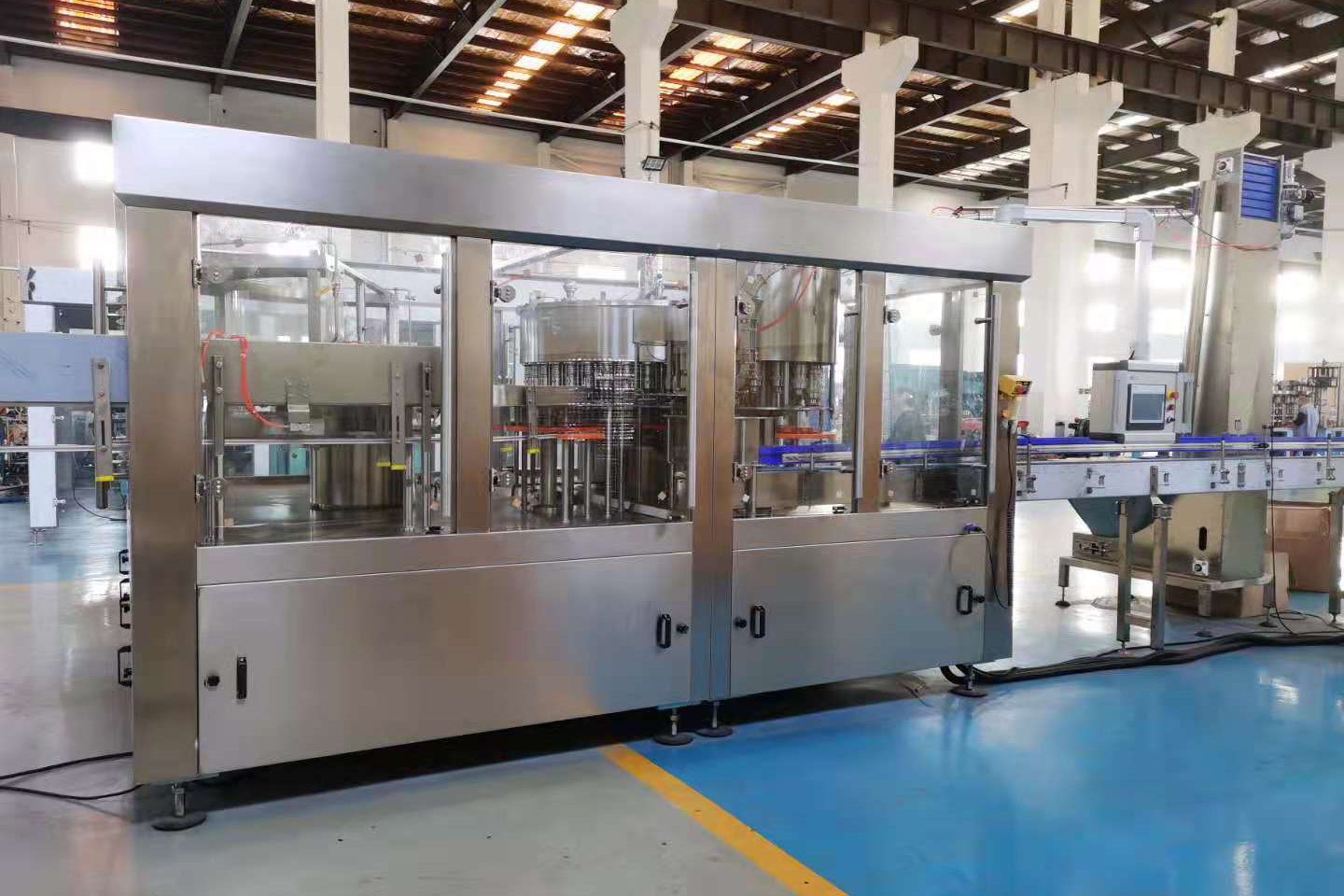
A well-matched Water Filling Machine paired with an automatic bottle filling machine approach tackles the root cause: too many repetitive touchpoints that rely on human speed and consistency. When automation reduces those touchpoints, you don’t only lower headcount—you also reduce the “hidden labor” that shows up as downtime, quality checks, and constant troubleshooting.
Where Labor Costs Actually Happen on a Bottling Line
Labor cost on a bottling line is created at each point where humans must repeatedly intervene. The most common labor-heavy steps include:
Bottle handling and feeding: moving empty bottles, aligning them, fixing jams
Rinsing and sanitation tasks: manual checks, handling wet areas, cleaning
Filling and level control: monitoring fill height, correcting under/overfill
Capping and seal verification: applying caps, checking torque, re-tightening
Inspection and sorting: spotting leaks, rejects, label issues, cap defects
Cleanup and spill response: wiping, mopping, waste handling, rework
Changeovers: switching bottle formats, adjusting settings, trial runs
Even if each task looks small, the combined effect is large: more line stoppages, more back-and-forth fixes, and more people needed “just to keep it moving.”
The Core Mechanism: How Automation Cuts Labor Without Cutting Output
Automation reduces labor costs by replacing repetitive motions with controlled, repeatable cycles. The goal is not merely to “remove people,” but to redesign roles:
Operators shift from constant manual action to monitoring, replenishment, and verification.
Production becomes predictable, allowing better staffing plans per shift.
Quality stabilizes, so fewer labor hours are spent on rework and troubleshooting.
A modern Water Filling Machine is often built for continuous operation, meaning the line can run steadily at a set pace instead of surging and stalling. When the line is stable, one trained operator can oversee multiple stations that previously required several hands.
7 Direct Ways an Automatic Bottle Filling Machine Reduces Labor Costs
1) Higher Output Per Labor Hour
When your line speed is limited by human handling, output rises only when staffing rises. With an automatic bottle filling machine, throughput is primarily driven by machine cycle time rather than individual operator speed. The result is more bottles per hour with the same staffing level—or the same output with fewer operators.
2) Fewer Quality Checks and Less Rework
Manual filling often triggers extra labor: frequent spot checks, corrective adjustments, and sorting. Automation improves repeatability, keeping fill levels consistent and reducing the need for constant intervention. When fill accuracy improves, rework drops, and the labor used for rechecking and reprocessing declines.
3) Less Product Waste Means Less Cleanup Labor
Spills and overfill are not only product losses—they also create labor. Cleanup takes time, interrupts the line, and increases slip-risk management. A properly configured Water Filling Machine reduces splashing and overflow events, so operators spend less time cleaning and more time producing.
4) Automated Capping Reduces Manual Staffing Needs
Capping is a classic labor sink: placing caps, ensuring alignment, verifying torque, and dealing with leaks. Automating capping reduces repetitive manual work and minimizes the “re-tighten” cycle that drains labor. When filling and capping are synchronized, the line becomes smoother and easier to supervise with fewer people.
5) Reduced Downtime Labor from More Stable Operation
Downtime is expensive in two ways: lost output and increased labor. Every stop creates a chain reaction—people rushing to fix jams, check fill levels, restart, and re-inspect. Automation improves stability by standardizing movement and reducing human-caused variability. With fewer stops, you reduce the labor hours spent on “recovering the line.”
6) Faster Changeovers with Standardized Settings
Changeovers often require multiple people, especially when the process is manual and depends on “tribal knowledge.” Automated systems can standardize key settings and procedures so changeovers become faster and less dependent on highly experienced staff. This helps reduce labor hours during SKU switches and reduces the number of people needed for transition periods.
7) Improved Safety and Less Fatigue-Driven Disruption
Repetitive manual bottling work can contribute to fatigue and error, which increases both downtime and rework. Automation reduces repeated lifting and handling, which can reduce disruptions caused by injury risk, mistakes, and slowdowns—indirectly lowering labor cost over time.
Why a Water Filling Machine Often Delivers Faster Labor ROI
Bottled water production tends to be highly repetitive and high-volume. That makes it an excellent fit for automation because:
Predictable product behavior: Water is consistent in viscosity and flow compared with many thicker liquids.
High-volume targets: Water lines are often designed to scale output, and labor becomes the bottleneck in manual systems.
Hygiene goals: Reducing human touchpoints supports cleaner handling practices and fewer contamination risks.
When a Water Filling Machine is integrated with automated conveyance and capping, the line can run steadily for long periods. That stability is where labor savings become real: fewer people needed to “babysit” the process, fewer emergency stops, and fewer cleanup-driven labor hours.
Labor-Cost Math You Can Copy: A Simple ROI Framework
You don’t need complex spreadsheets to estimate labor savings. Use this practical structure:
Baseline labor cost per shift: (Number of operators) × (Hourly wage) × (Shift hours)
Add hidden labor: overtime + rework hours + cleaning hours + supervision time
Post-automation labor cost: new operator count + reduced rework + reduced downtime response
Example scenario (illustrative):
Before: 6 operators run filling + capping + checks, with frequent stops and end-of-shift cleanup.
After: 3–4 operators manage a stabilized line with automated filling/capping, fewer stops, fewer rejects, and less spill cleanup.
The key is to count “hidden labor.” Many teams only compare headcount, then wonder why savings aren’t dramatic. In practice, the biggest labor reduction often comes from fewer interruptions, fewer quality issues, and fewer cleanup events.
Second-Order Savings That Still Reduce Labor Spending
Even when you keep similar staffing levels, automation can reduce labor spending in less obvious ways:
Less training time: standardized workflows are easier to teach and repeat.
Lower overtime pressure: better uptime and predictable throughput reduce last-minute catch-up shifts.
Fewer “micro-stops”: stable operation reduces constant human interventions that quietly consume hours.
Reduced product giveaway: tighter control can reduce overfill, protecting margins and reducing corrective labor.
How to Choose the Right Machine for Your Labor-Saving Goal
Not every machine delivers the same labor impact. To maximize labor reduction, match equipment to your real production needs:
Target throughput: bottles per hour (BPH) required today and in 12–24 months
Bottle and cap compatibility: sizes, neck finishes, cap types, torque requirements
Integration needs: conveyors, capping, labeling, coding, and downstream packing
Sanitation requirements: cleaning routines, washdown, and hygienic design expectations
Space and layout: line footprint and operator access points
If labor savings is the priority, look for a Water Filling Machine solution that supports stable continuous operation, and an automatic bottle filling machine workflow that reduces manual handling at multiple points—not just at the fill nozzle.
Implementation Roadmap: Turning Automation Into Real Labor Savings
Automation saves labor only when the line is implemented correctly. Use this rollout plan:
Audit your current labor hotspots: identify where people spend time fixing issues, cleaning, and rechecking.
Confirm utilities and flow: air, power, water supply, drainage, and conveyor alignment.
Define new roles: who monitors, who replenishes, who verifies quality, who maintains.
Train to standard: build a clear SOP for startup, changeover, and shutdown cleaning.
Track KPIs: labor hours per 1,000 bottles, downtime minutes, reject rate, spill/cleanup incidents.
When you measure labor hours per unit of output, you can verify savings objectively—and make incremental adjustments to staffing and shift design with confidence.
Common Pitfalls That Prevent Labor Savings (And How to Avoid Them)
Pitfall: Buying only for speed. A faster machine doesn’t save labor if the line downstream is manual and constantly backs up.
Fix: plan integration across filling, capping, conveying, and inspection.
Pitfall: Ignoring changeover realities. If changeovers are slow and chaotic, labor returns in the form of extra hands and overtime.
Fix: standardize settings, parts kits, and training.
Pitfall: Weak maintenance habits. Unplanned stops create “emergency labor” and lost time.
Fix: adopt preventive maintenance, spare parts readiness, and routine checks.
Pitfall: Poor quality setup. If accuracy isn’t dialed in, rework and inspection labor spike.
Fix: validate fill consistency and capping torque early and monitor trends.
What Different Voices Say About Reducing Labor Costs with Automatic Filling
ACE Filling: Focuses on lowering operating costs by automating filling to reduce labor dependence, waste, and production variability.
SureKap: Emphasizes that automating capping reduces labor needs while streamlining operations and improving consistency.
EQS Pack: Highlights labor reduction as a key benefit of modern water filling solutions that increase output and reduce manual effort.
Accutek: Points to modern machine features that improve efficiency and reduce the manual supervision burden during production.
CDA: Stresses production-line optimization through automation and integration to reduce labor intensity and improve operational flow.
CDA USA: Positions automated bottling as especially helpful for small businesses to reduce labor while improving productivity and scalability.
Intamac: Argues that automation can replace multiple manual roles by enabling one operator to oversee a more productive, stable filling process.
Filltech: Frames beverage filling automation as transformative for efficiency, reducing manual work and improving overall throughput.
Liquid Packaging Solution: Notes that automated capping/filling can cut labor requirements and reduce repetitive handling through better process control.
Adelphi: Highlights improved accuracy as a pathway to reduced waste, fewer corrections, and better productivity with fewer labor hours.
FAQs
How many operators can an automatic bottle filling machine replace?
It depends on your current workflow and how many steps are manual. Many operations see the biggest reduction when filling and capping are automated together, because it removes two major labor-heavy stations and reduces rework.
Is a Water Filling Machine the same as an automatic bottle filling machine?
A Water Filling Machine is typically a solution designed specifically for water (still or sparkling) and may include sanitation-focused design and high-throughput capability. An automatic bottle filling machine describes the automation level and workflow, which can apply across different liquids and industries.
What throughput justifies automation for bottled water?
If labor and downtime are limiting output—or if demand growth is forcing overtime—automation can be justified even at moderate volumes. A practical trigger is when manual staffing must increase every time you raise output targets.
Does automation really reduce waste enough to matter?
Yes. Less overfill and fewer spills reduce both product loss and cleanup labor. Over time, these savings often become a meaningful part of the ROI, especially in continuous production environments.
How long does installation and training take?
Timing depends on line complexity and integration needs (conveyors, capping, labeling, utilities). The fastest results come when training, maintenance routines, and changeover procedures are standardized from day one.
What maintenance plan protects labor savings?
Preventive maintenance and a basic spare parts strategy reduce unplanned downtime. Fewer breakdowns means fewer emergency interventions, fewer restarts, and lower overtime—protecting the labor savings you invested for.
Conclusion: Reduce Labor Costs by Reducing Touchpoints
Labor savings from automation are not only about running faster. The real win comes from removing repetitive touchpoints, stabilizing cycle time, and reducing rework and cleanup. With the right Water Filling Machine setup and an automatic bottle filling machine workflow that integrates filling and capping, you can lower staffing pressure, reduce downtime labor, and scale output with more predictable operating costs.
If you want the greatest impact, start by mapping where your people spend time today—then automate the steps that cause the most interruptions, the most rework, and the most cleanup. That’s how bottling lines achieve labor reduction that actually shows up on the balance sheet.

 English


