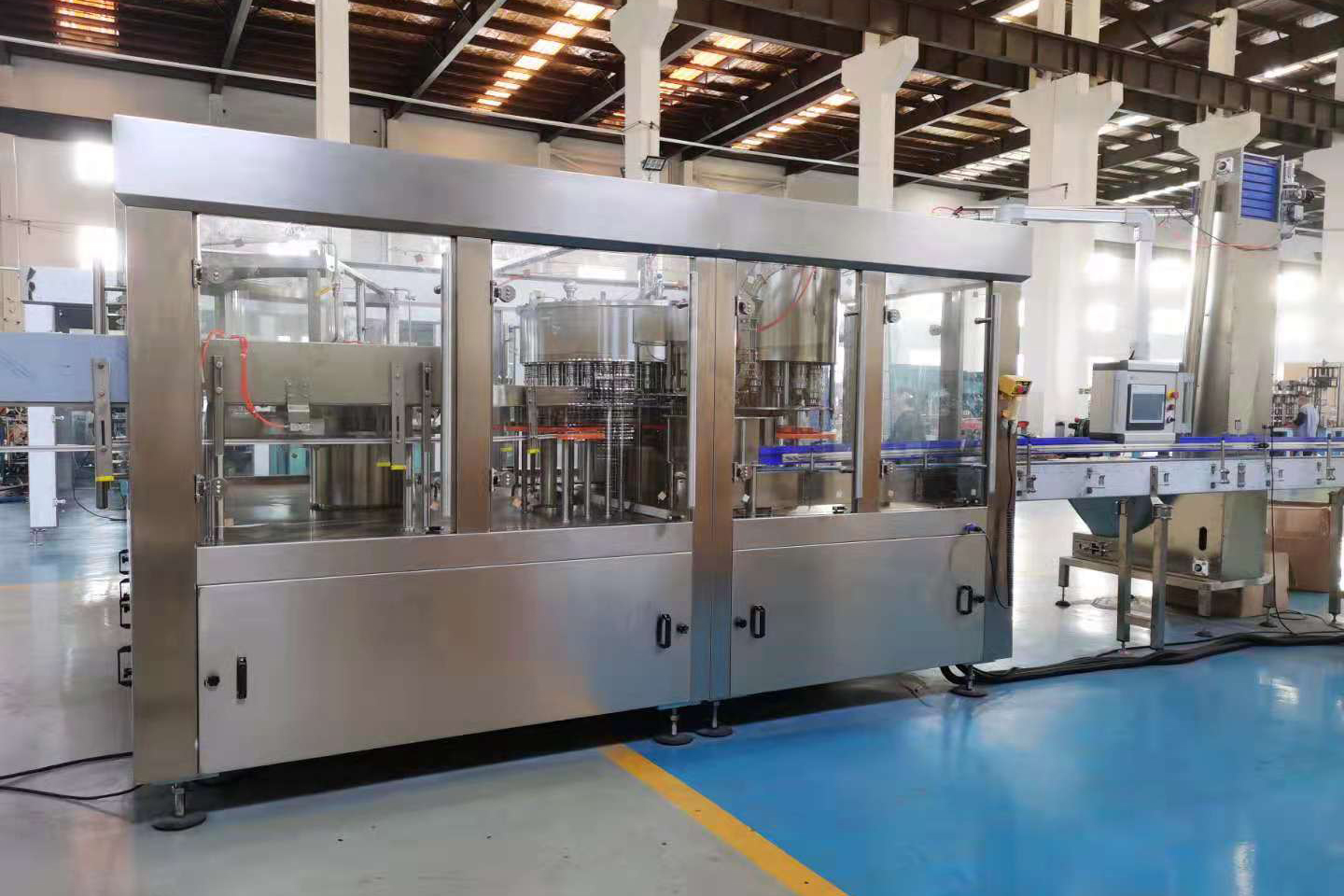
Global bottled water demand is surging at an unprecedented rate today. For entrepreneurs and plant managers, establishing a profitable beverage business seems like a lucrative opportunity. Yet, it comes with significant engineering hurdles. Choosing the right industrial machinery is notoriously difficult. The wrong choice inevitably causes severe production bottlenecks, inflated maintenance costs, and compromised product quality.
In this comprehensive guide, we dissect everything you need to know to navigate this complex procurement process. By understanding the intricate mechanics of a modern bottling facility, you can make informed decisions. These insights will safeguard your capital and ensure long-term operational success. If you are looking to scale up, investing in a Complete PET Bottled Drinking Mineral Water Filling Production Line is the most critical step you will take.
Key Takeaways
Understand the Scope: An industrial bottling system is not a single machine. It encompasses everything from raw water treatment and bottle blowing to filling, labeling, and final end-of-line packaging.
Match Capacity to Demand: Selecting the correct Bottles Per Hour capacity is essential. This balances your initial capital investment with realistic market demand and future scalability.
Prioritize Hygiene: High-grade stainless steel components, specifically SS304 or SS316L, and integrated Clean-In-Place systems are non-negotiable. They maintain strict mineral water safety standards.
Evaluate Total Cost of Ownership: Look far beyond the initial purchase price. Astute factory owners must consider energy efficiency, labor optimization, and long-term maintenance overheads.
Supplier Support is Crucial: Partner with a reliable manufacturer that offers robust after-sales support, professional overseas installation services, and globally available spare parts.
Industry Trends: The Future of Mineral Water Bottling
The landscape of beverage manufacturing is undergoing a rapid transformation. This shift is driven by consumer expectations and technological advancements. One of the most prominent trends is the relentless push toward PET lightweighting. Beverage brands are constantly redesigning their bottles to use fewer grams of plastic. Consequently, modern filling lines must be engineered with highly sensitive neck-handling technology. This allows the machinery to transport ultra-thin bottles without crushing or deforming them during high-speed capping.
Furthermore, the integration of smart manufacturing is revolutionizing plant floors. Plant managers are moving away from reactive maintenance toward predictive maintenance. By embedding smart sensors across the production line, operators monitor motor vibrations, pneumatic pressure drops, and valve performance in real-time. This data-driven approach allows factories to replace wearing parts exactly when needed. It prevents catastrophic mid-shift failures and maximizes Overall Equipment Effectiveness.
What is a Complete PET Bottled Mineral Water Filling Line?
In the context of industrial beverage production, a complete production line refers to a highly integrated ecosystem of specialized machines working in perfect unison. Rather than purchasing isolated pieces of equipment, forward-thinking factory managers invest in a synchronized workflow. This continuous system ensures that raw materials are processed into finished goods with minimal human intervention. It effectively eliminates the risk of manual contamination.
The workflow is precise and methodical. Picture a synchronized factory floor. Raw source water undergoes rigorous, multi-stage purification. Simultaneously, in a different zone of the plant, raw plastic preforms are subjected to intense infrared heat and blown into empty bottles. These pristine bottles are then conveyed rapidly via air tracks to a central monoblock machine. Here, they are rinsed, filled with the treated mineral water, and securely capped in a fraction of a second. Once sealed, the bottles glide downstream to be sleeved with vibrant labels, laser-printed with expiration dates, and tightly shrink-wrapped for pallet distribution. Deploying a well-engineered PET Bottled Mineral Water Filling Line ensures this entire sequence operates flawlessly.
Polyethylene Terephthalate, commonly known as PET, remains the undisputed industry standard material for mineral water packaging. PET is highly favored because it is incredibly lightweight and cost-effective to manufacture at scale. It is physically durable during rough transit and fully recyclable. These distinct properties make it an optimal choice for beverage manufacturers aiming to slash shipping weights while maintaining structural integrity on retail shelves.
Core Components of a Complete Mineral Water Production Line
To fully grasp the mechanics of the production process, we must examine each module individually. A standard, high-efficiency line is divided into four primary stages: water treatment, bottle forming, filling, and downstream packaging.
Water Treatment System and Purification
Your final product's commercial viability hinges entirely on the water treatment system. Raw water requires meticulous filtration. Unlike pure drinking water, which is stripped of all elements, mineral water must retain its naturally occurring beneficial trace minerals. At the same time, it must eliminate harmful pathogens and microscopic impurities.
Treatment Stage
Technical Function
Importance for Mineral Water
Silica Sand Filter
Removes large suspended solids and particulates.
Acts as the primary physical barrier for raw, untreated source water.
Active Carbon Filter
Absorbs organic compounds, chlorine, and foul odors.
Dramatically improves the overall taste profile and optical clarity of the water.
Sodium Ion Exchanger
Softens the water by removing excess calcium and magnesium.
Prevents damaging scale buildup inside the delicate internal piping of the filling machinery.
Hollow Fiber Ultrafiltration
Filters microscopic bacteria while allowing dissolved minerals to pass.
Crucial: Retains natural health-boosting minerals, unlike Reverse Osmosis which strips them away entirely.
UV and Ozone Sterilization
Destroys the DNA of remaining microorganisms.
Guarantees a sterile, safe product immediately prior to the filling stage.
PET Bottle Blowing Machine
The bottle blowing machine is where the physical packaging takes shape. It transforms compact, test-tube-like PET preforms into full-sized bottles. In practical terms, the preforms are first fed into an infrared heating tunnel. This carefully softens the plastic without melting it. Once heated to the exact optimal temperature, the preforms are clamped into a precision-machined mold. High-pressure compressed air stretches and forcefully blows them against the cold metal. This instantly freezes them into the desired bottle silhouette.
Manufacturers typically choose between semi-automatic and fully automatic blow molding machines. Fully automatic variants connect directly to the filling line via enclosed air conveyors. This seamless integration eliminates the need for manual handling, where operators might accidentally touch the bottle necks. It significantly reduces the risk of bacterial contamination.
The 3-in-1 Monoblock: Washing, Filling, Capping
The 3-in-1 Monoblock serves as the mechanical beating heart of the facility. By consolidating three critical functions into a single, enclosed stainless-steel unit, this sophisticated machine saves valuable factory floor space. It also minimizes the split-seconds the open bottle is exposed to the ambient environment.
Washing: A rotary rinser grips the empty bottles securely by the neck ring. It inverts them 180 degrees and blasts the interior with high-pressure purified water to dislodge any static dust or plastic residues.
Filling: Advanced systems utilize micro-negative pressure filling technology. These systems rely on specialized, non-drip filling valves constructed from 304 or 316L stainless steel. They ensure a precise liquid level accuracy of ±2mm across thousands of bottles, completely eliminating foaming or messy spillage.
Capping: Immediately after filling, the bottles index to the capping station. Magnetic torque cappers are deployed to apply plastic closures. The magnetic slip clutch allows operators to dial in the tightness precisely. This ensures a secure, leak-proof seal without applying excessive brute force that could strip the plastic threads.
Downstream Packaging Equipment
After the sealed bottles exit the monoblock, they transition into the downstream packaging phase to prepare for retail distribution.
Labeling: Depending on the brand's aesthetic vision, factories deploy either sleeve labeling machines or hot melt glue labeling machines. Sleeve labelers use a steam tunnel to shrink a full-body label tightly around the bottle's contours. Hot melt systems rapidly wrap a continuous roll of label around the bottle's midsection.
Date Printing: Industrial inkjet printers or advanced laser coding machines are mounted directly over the conveyor belt. They mark each passing bottle with legally required batch numbers and expiration dates.
Final Packing: The individual bottles are collated into groups, such as 4x6 configurations. They pass through a high-temperature shrink wrapping machine or an automated robotic carton packer. Finally, the grouped packs are palletized and wrapped in stretch film for warehouse storage.
Crucial Factors to Consider When Selecting Your Equipment
Investing in industrial bottling equipment requires rigorous technical evaluation. Buyers must meticulously align machine specifications with their specific business models to avert costly operational inefficiencies. To ensure optimal performance, selecting a high-speed PET water bottling machine tailored to your exact needs is paramount.
Production Capacity Matching
The true capacity of a filling machine is quantified in Bottles Per Hour. Selecting the correct capacity is a delicate balancing act. You must analyze current market demand against projected regional growth.
Small Scale 2,000 to 4,000 Bottles Per Hour: Ideal for regional startups or specialized boutique mineral water brands. These linear or small rotary machines demand a manageable initial capital investment.
Medium Scale 8,000 to 12,000 Bottles Per Hour: The standard, workhorse choice for established regional distributors. This capacity tier offers a robust balance between automated efficiency and reasonable capital expenditure.
Large Scale 15,000 to 24,000+ Bottles Per Hour: Engineered specifically for national brands. These lightning-fast lines require significant capital but ultimately deliver the absolute lowest cost per bottle produced.
Level of Automation
The strategic choice between semi-automatic and fully automatic lines drastically impacts both upfront costs and daily operational burdens. Fully automatic lines demand a steeper initial investment. However, they systematically slash ongoing labor costs and virtually eliminate human error. Conversely, semi-automatic lines are cheaper to acquire but necessitate a larger, constant workforce to manually shuttle bottles between the blowing, filling, and packaging zones.
Factory Space and Layout
Industrial filling lines consume substantial physical real estate. Before finalizing a purchase order, it is imperative to obtain a customized floor plan from your machinery supplier. Equipment can be intelligently arranged in a linear, L-shaped, or U-shaped layout depending on the unique architectural dimensions of your facility. Meticulous layout planning guarantees smooth forklift access, efficient raw material loading, and safe operator movement.
Bottle Size and Neck Compatibility
A highly versatile machine yields a much higher return on investment. You must determine if your production line needs to handle a diverse portfolio of bottle volumes, from 330ml up to 1.5 Liters. Most premium monoblock machines can seamlessly accommodate different bottle heights with minimal mechanical tinkering. This is provided the bottle neck diameter remains identical, typically a standard 28mm or 30mm. If you introduce varying neck sizes, you must purchase and manually install specialized changeover parts. This extends changeover downtime significantly.
Hygiene and Quality Standards in Mineral Water Bottling
In the global beverage industry, hygiene is not merely a best practice. It is a strict matter of regulatory compliance and consumer safety. The equipment you procure must adhere to the most stringent sanitary standards available.
All internal components that come into direct contact with the mineral water must be fabricated from premium food-grade stainless steel. SS304 serves as the reliable industry standard for most water applications, providing exceptional resistance to oxidation. However, if your sourced mineral water features specific chemical compositions, such as high natural salinity or acidity, SS316L stainless steel is strongly recommended due to its superior metallurgical corrosion resistance.
Beyond material construction, a Clean-In-Place system is vital. This automated cleaning mechanism forcefully circulates sanitizing chemicals, scalding hot water, and purified rinse water through the intricate interior pipes and filling valves of the machine. This allows maintenance staff to thoroughly sterilize the liquid-contact parts without physically dismantling the heavy machinery. It saves hours of tedious downtime and ensures unwavering hygiene.
To thwart airborne contaminants from infiltrating the open bottles, advanced filling machines are encapsulated within enclosed glass or acrylic cabins. Factory owners often integrate HEPA filtration units directly on top of the filling monoblock, creating a localized Class 100 cleanroom environment. This ensures that a continuous curtain of purified, positive-pressure air surrounds the filling valves, keeping dust and microbes at bay.
Calculating the ROI on Your Investment
For beverage factory owners and production managers, acquiring industrial bottling equipment represents a massive capital expenditure. Yet, evaluating this purchase solely based on the initial sticker price is a critical business error. A comprehensive return on investment analysis must account for the total cost of ownership over the machine's entire operational lifespan. When you invest in an automated PET mineral water filling line, the daunting upfront costs are systematically offset by profound long-term operational efficiencies.
Premium equipment requires a heavier initial financial outlay, but it consistently delivers a vastly superior long-term yield. This yield materializes through hyper-precise filling mechanisms that eradicate product waste. Robust capping systems drive rejection rates to near zero. Heavy-duty components sustain high-speed production without buckling under stress. A high-efficiency line operating smoothly at 95 percent capacity will amortize its initial costs significantly faster than a budget alternative that limps along at a 75 percent efficiency rate due to constant jamming.
Modern industrial manufacturing also places a heavy emphasis on sustainability and utility cost reduction. Bottling operations are traditionally resource-hungry, devouring vast amounts of electricity and water. Upgrading to a modern system instantly impacts monthly utility bills. Advanced filling lines utilize Variable Frequency Drive motors. These intelligent motors throttle their energy consumption based on real-time load requirements rather than running blindly at maximum power. Moreover, high-end systems incorporate closed-loop water recycling mechanisms within the washing modules, slashing total municipal water consumption.
In the beverage sector, downtime is arguably the most expensive operational metric. Every minute a machine sits idle translates directly to evaporating revenue. High-quality systems mitigate this severe risk by utilizing internationally recognized, industrial-grade Programmable Logic Controllers and pneumatic components. When a machine is powered by top-tier electrical systems, the Mean Time Between Failures is drastically extended. These sophisticated controllers offer predictive maintenance alerts, notifying your technicians of wear and tear long before a catastrophic failure stops the line.
How to Choose the Right Manufacturer and Supplier
Selecting the machinery is only half the equation. Vetting and selecting the right manufacturing partner is equally vital. The supplier you choose will dictate the quality of your installation, the reliability of your after-sales support, and the long-term viability of your entire venture.
When sourcing heavy industrial equipment, it is highly recommended to partner directly with a specialized manufacturer rather than a third-party trading company. Direct manufacturers possess deep, in-house engineering expertise and retain absolute control over the fabrication process. A reputable supplier will readily provide case studies, raw video demonstrations of their machines running in active factories, and a transparent overview of their quality control protocols.
Because no two beverage factories are identical, a competent supplier must demonstrate exceptional customization capabilities. The manufacturer should offer comprehensive layout planning. They must possess the engineering agility to customize star wheels, filling valves, and capping heads to perfectly match your proprietary bottle designs.
The relationship with your supplier truly begins after the purchase order is signed. Industrial bottling lines are complex electromechanical ecosystems that demand professional commissioning. Ensure that your chosen manufacturer offers comprehensive overseas installation services. This involves dispatching senior engineers to your facility to assemble the line, integrate the electrical grids, and conduct rigorous trial runs. They must also train your local staff on standard operating procedures, sanitation protocols, and basic troubleshooting.
Finally, verify the availability and standardization of spare parts. Reputable manufacturers design their machines using universally available components for critical electrical and pneumatic systems. If a proximity sensor fails, you should be able to source a replacement from a local industrial supplier in your city, rather than waiting agonizing weeks for a proprietary part to be shipped internationally.
Common Mistakes to Avoid When Investing in a Bottling Line
Entering the fiercely competitive bottled water market requires meticulous planning. Many enthusiastic investors fall into predictable traps that compromise their product quality and artificially inflate their operational costs.
A widespread misconception is that the filling machine is the only critical component of the plant. In reality, the water treatment system dictates the fundamental safety and taste profile of your product. Focusing the budget entirely on shiny packaging machinery while compromising on raw water filtration is a fatal error. If the source water is not properly filtered and sterilized, the most advanced filling machine in the world will still pump out unsafe water, instantly destroying the brand's reputation.
In industrial procurement, the lowest price is rarely the best value. Manufacturers offering machinery at suspiciously low prices achieve those margins by cutting critical corners behind the scenes. Cheap machinery frequently utilizes inferior grades of stainless steel, which is highly susceptible to rapid rusting and bacterial harbor. The money seemingly saved on the initial purchase is rapidly consumed by frequent breakdowns, high material rejection rates, and emergency mechanic call-outs.
Business growth must be factored into the initial machinery purchase. A common pitfall is buying a machine that perfectly matches today's exact production requirements but leaves absolutely no headroom for expansion. If your current market demand is 3,000 Bottles Per Hour, purchasing a machine capped strictly at that speed means you will hit a brick wall when demand increases next year. It is much more financially prudent to invest in a machine with a slightly higher capacity and run it at lower speeds initially, providing a built-in buffer for scalability.
Failing to plan for different bottle formats during the initial order is another costly oversight. While a single filling machine can handle multiple bottle volumes, it relies on the bottle neck diameter remaining consistent. If you plan to use different neck sizes for different product lines, the machine requires specialized changeover parts. If these are not engineered into the original build, retrofitting the machine later is highly expensive and causes agonizing production downtime.
Conclusion
Investing in a complete bottling system is a monumental business decision that serves as the bedrock of your manufacturing enterprise. It directly impacts your product quality, your brand's reputation, and ultimately, your profit margins.
By prioritizing high-level automation, uncompromising equipment durability, and reliable supplier support, you safeguard your investment against the unpredictable challenges of industrial production. Avoid the temptation of choosing machinery based solely on the lowest initial price tag. Instead, focus intensely on long-term efficiency, total cost of ownership, and technological scalability.
To ensure a successful entry into the beverage business, you need a partner with proven engineering excellence. Explore the advanced capabilities of the Huayu PET Bottled Mineral Water Filling Production Line today. Contact our engineering team for a free consultation, a customized factory layout design, and a detailed quote tailored to your specific production ambitions.
Comprehensive FAQ
How much does a complete PET bottled mineral water filling line cost?
The total capital investment required varies significantly based on the desired production capacity, the level of automation, and the origin of the core components. For a small-scale, semi-automatic operation producing around 2,000 bottles per hour, the investment can start around $30,000. However, for fully automated, high-speed industrial lines capable of exceeding 15,000 to 24,000 bottles per hour with advanced sanitation systems and robotic palletizing, the cost can easily range from $150,000 to over $300,000. It is crucial to request a customized, itemized quote based on your specific factory requirements.
What is the standard production capacity of these machines?
Industrial water filling machines are highly scalable and are categorized by their hourly output. Entry-level machines typically run between 2,000 and 4,000 bottles per hour, making them suitable for regional startups. Medium-scale operations generally utilize machines outputting 8,000 to 12,000 bottles per hour. For national distribution and large-scale enterprises, high-speed rotary monoblock systems can achieve capacities ranging from 15,000 to over 36,000 bottles per hour.
How much factory space do I need for a complete production line?
Space requirements depend heavily on the capacity of the line and the logical flow of the equipment. A complete system includes raw water tanks, filtration modules, blowing machines, the main filler, labeling, and packaging. A small 2,000 capacity line might fit comfortably within 100 to 150 square meters. However, a fully automated high-speed line utilizing air conveyors and automated carton packers will require a minimum of 500 to 800 square meters. Professional suppliers will provide CAD layout drawings to optimize your specific floor plan.
Can the same filling machine handle different bottle sizes?
Yes, modern filling machines are engineered for versatility. A standard machine can typically accommodate bottle volumes ranging from 200ml up to 2 Liters. The critical factor is the bottle neck diameter. As long as the neck size remains identical across all bottle sizes, the machine can switch volumes easily by adjusting the height of the filling tank. If the neck diameter changes, operators must manually swap out specific changeover parts, which takes additional time.
How many operators are required to run a fully automated line?
One of the primary advantages of automation is the drastic reduction in manual labor. A fully automated complete line generally requires only 3 to 5 personnel per shift. This team usually consists of one operator managing the PET preform feeding, one technician monitoring the central 3-in-1 filling monoblock, one worker overseeing the downstream labeling and packaging materials, and one shift supervisor or quality control inspector to monitor the overall workflow and software interfaces.
What is the difference between pure water and mineral water filling lines?
The mechanical filling, capping, and packaging equipment are virtually identical for both product types. The fundamental difference lies entirely within the upstream Water Treatment System. Pure water production utilizes Reverse Osmosis membranes to strip the water of all dissolved solids, resulting in a completely neutral liquid. Mineral water, however, relies on Ultrafiltration systems. Ultrafiltration removes harmful bacteria and particulates but is engineered to allow natural, dissolved trace minerals to pass through, preserving the water's natural health benefits and taste.
What is the expected lifespan of a high-quality water filling machine?
When constructed with premium food-grade stainless steel and top-tier electrical components, a high-quality filling line is built for extreme longevity. Assuming the factory adheres to strict daily maintenance schedules, performs regular sanitation, and replaces wear-and-tear parts proactively, the machinery can operate efficiently for 10 to 15 years, or even longer, before requiring major systemic overhauls.
What is the power consumption of a standard PET water filling line?
Power consumption varies widely based on the scale of the operation and the specific machinery deployed. A major portion of the electrical load comes from the PET bottle blowing machine, specifically the infrared heating tunnels and high-pressure air compressors. A medium-scale automated line might consume anywhere from 80kW to 150kW per hour. Upgrading to machines equipped with Variable Frequency Drive motors and energy-recovery air compressors can reduce this total energy footprint by up to 25 percent.
How long does it take to install and commission a complete mineral water plant?
The timeline for installation and commissioning depends on the complexity of the line and the readiness of the factory infrastructure. Once the machinery arrives at your facility, a standard medium-capacity line typically takes 15 to 30 days to fully install, wire, and pipe. Following mechanical assembly, engineers will spend an additional 7 to 14 days conducting dry runs, calibrating the filling accuracy, testing the water treatment efficacy, and training your local operators.

 English