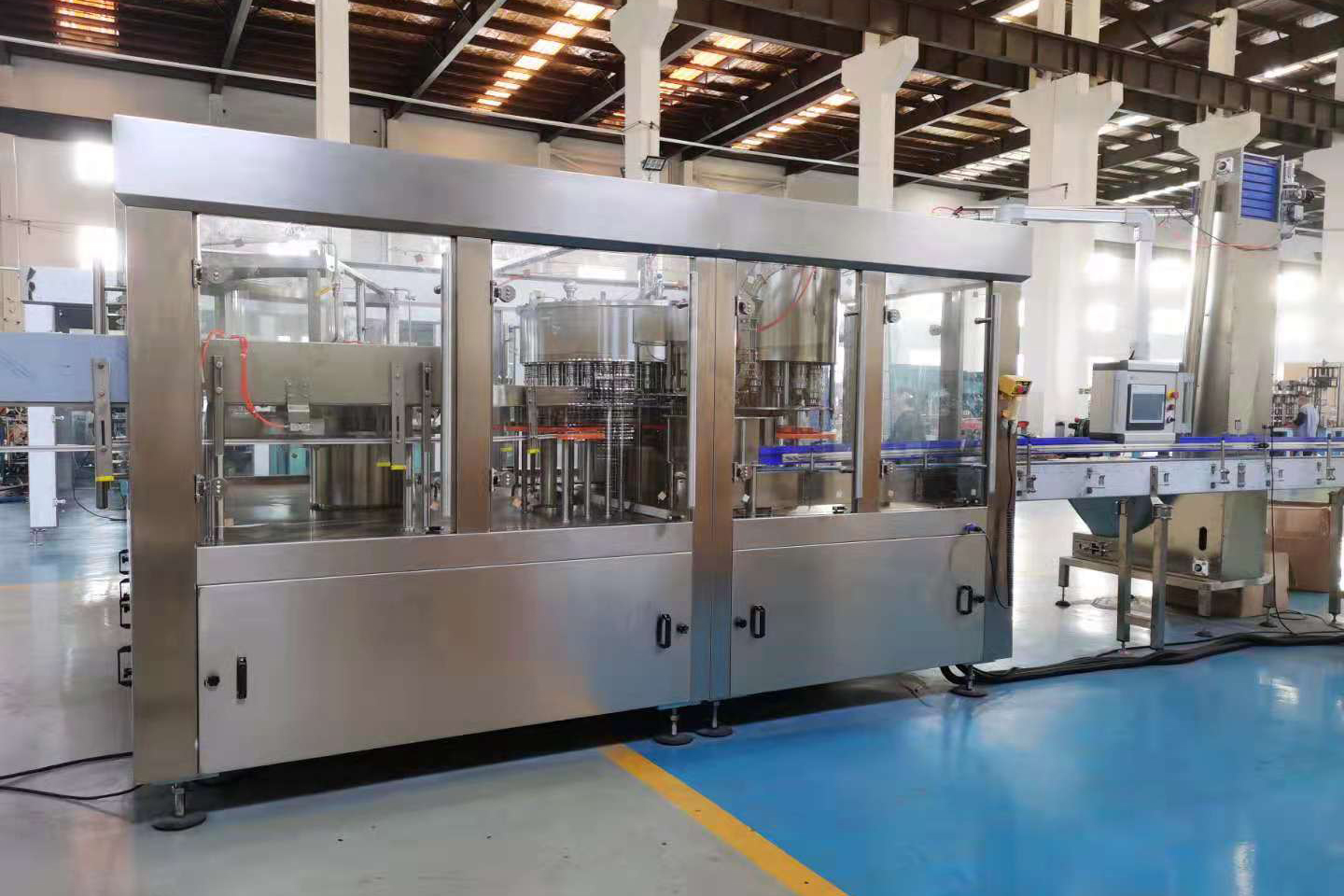
Choosing between a Water Filling Machine and manual filling systems can feel straightforward—until you start pricing labor, measuring output, and dealing with inconsistent fill levels. For bottled water brands, “good enough” filling often turns into hidden costs: rework, spills, slow fulfillment, and quality complaints. This guide compares manual filling systems and a bottle water filling machine using a practical framework: speed, accuracy, hygiene, scalability, and total cost of ownership.
Whether you’re launching a small line or upgrading to meet growing demand, the goal is the same: a stable, repeatable process that protects product quality and keeps costs predictable.
Key Definitions: What Counts as Manual Filling vs a Water Filling Machine?
Manual filling systems usually mean the operator controls most steps: placing bottles, starting/stopping flow, checking the fill level, and moving bottles to capping. Equipment may include hand fillers, simple nozzles, foot-pedal controls, or basic bench-top stations. These systems can be surprisingly useful for pilots and ultra-low volumes, but they depend heavily on operator consistency.
A Water Filling Machine typically refers to purpose-built filling equipment designed to standardize and accelerate the fill process. Depending on automation level, it may include:
Manual or assisted fill stations with controlled valves/nozzles
Semi-automatic systems that automate filling cycles while operators load/unload bottles
Fully automatic lines that can integrate rinsing, filling, and capping in a continuous workflow
A bottle water filling machine commonly describes equipment configured for PET bottles, glass bottles, or small-to-medium containers used in bottled water, with emphasis on food-grade materials, stable flow control, and cleanability.
How Manual Filling Systems Work (and When They Still Make Sense)
Manual filling is simple: an operator positions bottles, opens a valve or triggers a pump, monitors the level, and stops the fill. The simplicity is exactly why many startups begin here. Manual systems can be a smart stepping stone when you need to validate packaging, test distribution, or handle occasional orders without a large capital investment.
Advantages of Manual Filling for Small Runs
Lower upfront cost: basic setups require less equipment and minimal installation.
Fast to start: short lead time to begin filling and shipping.
Flexible for experiments: easy to change bottle sizes or trial different caps and labels.
Small footprint: useful for tight workspaces or shared production areas.
Limitations of Manual Filling Systems
The disadvantages usually show up as you try to scale. Output is limited by human pace, fatigue, and the time required to move bottles between steps. In addition, manual filling often increases:
Fill variability: inconsistent levels can trigger customer complaints or create labeling/weight issues.
Spillage and product loss: small leaks and overfills accumulate into meaningful waste.
Labor dependency: your “capacity” becomes your staffing plan.
Process risk: more handling points can raise contamination risk if hygiene discipline slips.
If your demand is rising or your quality standard is tightening, manual filling can become a bottleneck that blocks growth.
Water Filling Machine Options: Manual, Semi-Automatic, and Automatic
Not all automation is “all or nothing.” Many producers upgrade in stages, matching equipment complexity to demand and budget. A Water Filling Machine can be selected based on how many steps you want standardized and how much labor you want to remove from the critical path.
Manual-Assisted Filling Machines
These are still operator-loaded systems, but they improve consistency with better nozzles, controlled valves, or timed cycles. They can reduce spill and improve repeatability without requiring conveyors or complex integration.
Semi-Automatic Bottle Water Filling Machine
Semi-automatic systems typically automate the fill cycle—meaning the machine controls flow, timing, and shutoff—while the operator handles bottle placement and removal. This category often offers the best “first upgrade” because it increases speed and consistency without full-line investment.
Fully Automatic Water Filling Machine Lines
Fully automatic setups can integrate multiple operations (often rinsing, filling, and capping) into a continuous line. They are designed for stable throughput, predictable performance, and lower labor per bottle. For high-volume bottled water operations, automation is less about convenience and more about maintaining consistent quality at scale.
Common Filling Methods for Bottled Water
The right filling method depends on your container type, speed target, and accuracy requirements. Common approaches include:
Volumetric filling: dispenses a set volume each cycle—useful when you need consistent quantity per bottle.
Level filling: targets a consistent visible fill height—helpful for uniform shelf appearance, especially with transparent bottles.
For water, which is low-viscosity and fast-flowing, stable flow control and clean design matter as much as the measurement method.
Side-by-Side Comparison: Bottle Water Filling Machine vs Manual Filling Systems
Use the framework below to compare options beyond sticker price. For most businesses, the decision becomes obvious when you evaluate cost per bottle and risk per batch.
| Factor | Manual Filling Systems | Water Filling Machine |
|---|
| Throughput | Limited by operator pace; hard to scale | Higher output; scalable via more heads/line speed |
| Fill Consistency | Varies by operator; higher over/underfill risk | More repeatable cycles; better control and uniformity |
| Labor Requirement | High labor per bottle | Lower labor per bottle; fewer operators as volume grows |
| Hygiene & Handling | More touch points; depends on training discipline | Cleaner workflow; fewer handling points in automated lines |
| Changeovers | Often easy but slow (manual adjustments) | Can be fast with proper tooling; depends on design |
| Maintenance | Simple parts; fewer systems | Requires routine preventive maintenance; more components |
| Total Cost of Ownership | Low upfront, higher long-term labor and waste | Higher upfront, lower cost per bottle as volume increases |
| Best Fit | Pilot runs, very small batches, short-term needs | Growth, stable demand, consistent quality targets |
Cost and ROI: What “More Cost-Effective” Actually Means
Many buyers compare manual filling and a bottle water filling machine only by equipment price. That’s a shortcut—and it often leads to the wrong decision. A better approach is to compare cost per filled bottle over time.
To estimate real cost, separate expenses into two groups:
Upfront costs (CapEx): equipment, installation, utilities, training, basic tooling, and line layout changes.
Ongoing costs (OpEx): labor, product loss from spillage/overfill, downtime, maintenance, and consumables.
Manual filling appears cheap early on because CapEx is low. But as soon as demand grows, OpEx rises quickly. Automation often “wins” when:
You need consistent daily output (not occasional batches).
Labor is expensive, unreliable, or difficult to staff.
You must reduce waste, returns, and quality variation.
You want capacity growth without expanding headcount.
Quick ROI checklist: If your current operation frequently experiences overtime, missed ship dates, visible fill inconsistency, or recurring spills/rework, a Water Filling Machine is likely to pay back faster than expected.
Quality, Compliance, and Brand Risk for Bottled Water
Bottled water brands live and die by trust. Even if your water source and treatment are reliable, poor filling practice can create avoidable brand damage. Common issues include inconsistent fill levels, cap problems, and hygiene lapses during manual handling.
When choosing between manual and machine filling, prioritize:
Consistency: stable fill results reduce complaints and rework.
Cleanability: smooth product-contact surfaces and easy disassembly lower cleaning time and reduce risk.
Process control: repeatable cycles and fewer handling points improve stability.
Even at small scale, adopting clear sanitation routines and limiting unnecessary contact points protects both customers and your reputation.
Decision Guide: Which System Fits Your Production Stage?
Your best option depends on volume today and where you expect to be in 6–18 months.
Stage 1: Pilot or Micro-Batches
Manual filling systems can work if you’re validating your market, testing packaging, or producing limited runs. Focus on training, basic measurement tools, and clean procedures so quality doesn’t depend on luck.
Stage 2: Growing Demand and Repeat Orders
This is where many brands upgrade to a semi-automatic bottle water filling machine. It can deliver a step change in consistency and throughput without the complexity of a full automatic line. If your team is struggling to keep up, semi-automatic is often the best “bridge” solution.
Stage 3: Scaling for Wholesale, Distribution, or Multi-Shift Production
When daily volume is stable and high, automation becomes a risk-control strategy. A fully automatic Water Filling Machine line helps stabilize output, reduce labor per unit, and maintain consistent quality as you scale.
Buying Checklist for a Bottle Water Filling Machine
Before requesting quotes or comparing suppliers, define your requirements clearly. The best machine is the one that fits your bottles, your cap type, your hygiene plan, and your growth targets.
Container specs: bottle material (PET/glass), sizes, shapes, neck finish, and cap types.
Target output: bottles per hour, shift length, and peak demand scenarios.
Filling approach: volumetric vs level, number of filling heads, and flow stability.
Materials: food-grade stainless contact parts, corrosion resistance, durable seals.
Cleaning strategy: quick-change parts, clean-in-place readiness, drainage design.
Changeover plan: how often you change bottle sizes and how fast it must be.
Service readiness: spare parts availability, documentation, training support, remote troubleshooting.
Tip: A machine that is slightly “over-capacity” for today can be cheaper than buying twice. If you expect growth, choose a platform that can scale with additional heads or line modules.
Views from the Field: What Different Sources Say (No Summary)
Sinopak Machinery: Emphasizes manual simplicity and low barrier to entry, while positioning automatic systems around higher output and more stable performance.
LaubHunt: Frames manual filling as suitable for small batches and customization, and automated filling as better for high-volume efficiency and long-run labor savings.
King Machine: Highlights the cost-effectiveness of machines over time through consistency and efficiency, while noting manual filling can be time-consuming and inconsistent.
Suntech Packing: Focuses on throughput differences and labor reduction, describing automated equipment as a path to higher speed and more stable results.
ZPack Filling: Positions machine filling as the practical choice for scaling production where manual filling becomes unrealistic.
Multi-Fill: Discusses automation as a way to reduce waste, improve reliability, and increase productivity compared with manual processes.
Fillmore Packaging: Highlights manual bottling for modest speed needs and semi-automatic systems as a stepping stone for growing operations.
Pack Leader USA: Emphasizes selecting equipment based on filling method, accuracy, speed matching, and cleanability, highlighting the importance of defining requirements.
Vfine Machine: Highlights manual equipment flexibility and adjustable settings for varied containers and operational needs.
Tech-Long: Positions fully automatic lines for large-scale production and discusses limitations of manual/semi-automatic approaches for mass production.
FAQs
What is the best Water Filling Machine for a small bottled water business?
For many small producers, a semi-automatic Water Filling Machine provides the best balance: improved consistency and speed without the complexity of a full automatic line. If your volumes are extremely low, a manual-assisted system can be a temporary fit—provided you control hygiene and measure fill accuracy consistently.
Is a bottle water filling machine worth it at low daily volume?
It can be worth it if labor is tight, quality complaints are costly, or you’re planning growth. If manual filling forces overtime, slows shipping, or creates frequent rework, the payback can arrive sooner than you expect.
Manual vs semi-automatic vs automatic: what’s the real difference?
The difference is how many steps the equipment standardizes. Manual relies on operator control. Semi-automatic automates the fill cycle but needs operator loading/unloading. Automatic lines integrate multiple stations and continuous movement to deliver higher throughput with lower labor per unit.
What filling method is best for water: volumetric or level fill?
Both can work well for water. Volumetric filling targets a consistent quantity; level filling targets a consistent visible fill height. Your best choice depends on whether you prioritize measured volume, shelf appearance, bottle transparency, and the consistency you need across runs.
How do I estimate ROI and payback time?
Track your current labor hours per batch, waste/spillage rate, rework time, and missed shipping costs. Then compare that to the projected output and staffing needs with a bottle water filling machine. Payback often comes from reduced labor per bottle, reduced waste, and steadier throughput.
What maintenance should I expect, and what causes most downtime?
Manual systems usually have fewer parts. Machines require routine checks for seals, valves, pumps, sensors, and cleaning routines. Downtime commonly comes from worn seals, poor preventive maintenance, or mismatched bottles/caps that cause jams and inconsistent operation.
How do I handle bottle size changeovers efficiently?
Define your bottle range early and select a Water Filling Machine designed for quick changeovers. Standardized guides, tool-less adjustments, and clear changeover procedures reduce downtime and keep output stable when switching sizes.
Conclusion
Manual filling systems can be a practical starting point, especially for testing the market and producing micro-batches. But as demand grows, a Water Filling Machine becomes a core tool for stability—improving speed, consistency, hygiene control, and cost per bottle. If your business is shifting from “occasional runs” to “reliable daily output,” upgrading to a semi-automatic or automatic bottle water filling machine is often the simplest path to scalable performance.

 English


